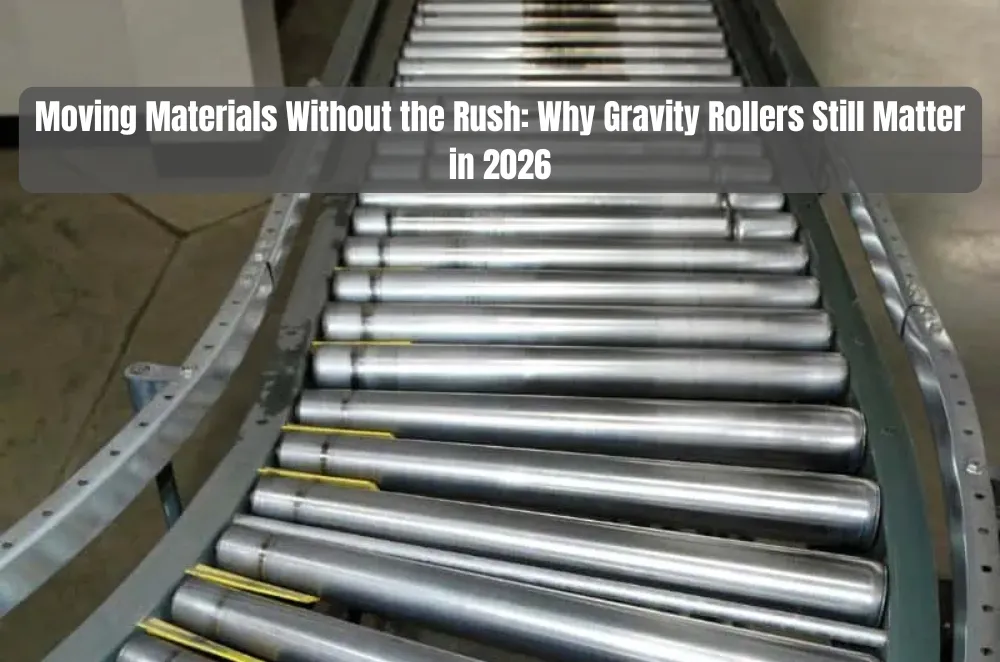

Concrete keeps curing, weather keeps shifting and trades keep queueing; the schedule won’t wait while pallets inch through a bottleneck. The simplest fix is often the quietest one: a run of steel cylinders tilted at just the right angle. Gravity rollers look old-school next to IoT-enabled conveyors, yet contractors across Sydney still lean on them because they handle volume with almost no moving parts. For sites prioritising efficiency and durability, quality gravity feed rollers remain a dependable solution for maintaining a steady flow of materials while minimising maintenance and downtime.
Simplicity Is a Feature, Not a Flaw
A powered belt needs motors, drives, electrical hook-ups and someone on call when any of those fail. Gravity rollers ask for two things: a slight decline and a solid frame. Boxes glide, pallets coast and the site electrician can focus on the tower crane instead of a tripped conveyor circuit. That stripped-back design is why many planners start their material-flow sketch with a line of durable gravity conveyor rollers pencilled in before considering anything more complex.
Fewer components also mean fewer procurement headaches. Lead times on motors can stretch when supply chains tighten, but rollers are rarely in short supply. In a year where projects are chasing every delivery slot they can get, that counts. The gains aren’t just logistical; they’re cultural. Crews appreciate equipment that “just works”, freeing them to focus on skilled tasks rather than troubleshooting electrics.
Where Rollers Beat Powered Belts on Busy Sites
Powered systems earn their keep on long, level runs or when materials must climb. On multi-storey apartment builds, though, not every movement is uphill. Often the task is shuttling plasterboard from unload point to lift shaft, or moving joinery across a mezzanine. Here, gravity does the job for free, and the crew only step in to stop loads rather than push them.
The stop-start nature of an urban build introduces another issue: space for motors and guarding. Roller lines hug the floor or scaffold deck, slipping into gaps that a fully enclosed belt can’t occupy. That low profile keeps walkways open and reduces trip risks, which is gold on a site already juggling hand tools, cords and stacked materials.
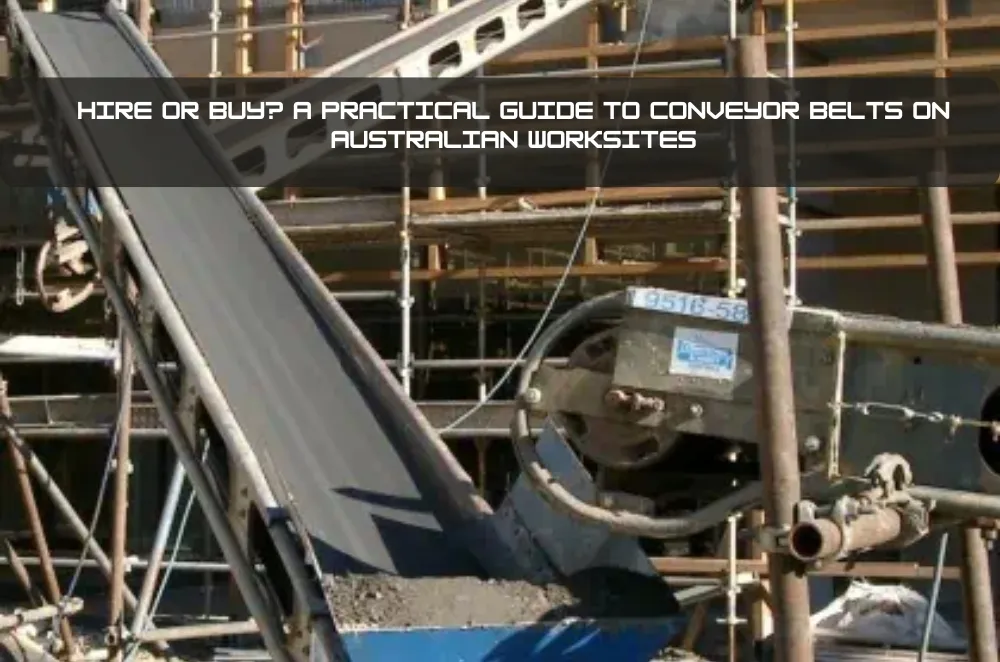
Contractors refining their layouts often browse broader industrial conveyor belt solutions to understand where each system shines, then layer gravity rollers where they add the most value. Having both options on the drawing board lets the site engineer tune for throughput without over-engineering simple legs of the journey.
Maintenance Checks That Matter
Rollers trade complexity for routine inspection. Five minutes at the start of each shift prevents most hiccups.
| Checkpoint | Why It Matters | Typical Action |
| Roll rotation | Sticking bearings slow the line | Spin by hand; lube or replace if rough |
| Frame alignment | Twist creates side drag | Re-square brackets, tighten fixings |
| Debris between rollers | Stops light cartons dead | Clear off-cuts, cable ties, shavings |
| Stopper integrity | Sudden load at the end | Inspect bolts and rubber buffers |
| Slope consistency | Settlement changes grade | Re-level shim packs or adjust legs |
The table hides a bigger point: none of these tasks require a licensed electrician or a shutdown permit. A labourer with a cordless impact driver and grease gun covers the lot, keeping downtime microscopic.
Adapting to Sydney’s Weather and Materials
Sydney’s climate swings from humid summers to crisp winter mornings. Temperature shifts can influence steel expansion, but the bigger watch-out is moisture. Morning dew settles on external decks, reducing friction at precisely the time the breakfast delivery rush starts. Many crews lay non-slip tape on entry and exit points or specify knurled rollers for areas regularly exposed to mist.
Material trends also shift demands. Lightweight composite cladding now arrives in longer, more flexible sheets than the fibre-cement panels of old. Those sheets benefit from closer roller centres to stop sag. Conversely, engineered stone bans are pushing benchtops back to natural timber varieties, often heavier and needing a steeper decline. A modular roller frame lets project managers tweak spacing and pitch as deliveries change without ordering a fresh conveyor.
Safety and Compliance Aren’t Optional
Even passive equipment falls under workplace hazard rules. The WHS Regulation classifies uncontrolled movement and pinch points as risks that must be managed. Current Safe Work Australia guidance singles out material-handling aids as a preferred control, but only when guards, speed control and emergency stops match the load risk. For rollers that means:
- Finger guards on tight-pitch lines
- Clearly marked kick plates so boots don’t slip under
- Regular checks that slope hasn’t increased after a deck pour settles
- Signage showing the safe load rating for each section
Local variations matter too. City of Sydney sites within noise-sensitive precincts must log after-hours activities. Gravity rollers, operating almost silently, often sidestep curfews that would ground powered systems. That flexibility becomes critical during concrete pours that stretch late or weekend fit-outs racing a head-leasing deadline.
Beyond the Build: Re-Use and Recycling
Sustainability targets are nudging firms to rethink disposable site gear. A powered conveyor tailored to one floor height can struggle to find a second life without costly modifications. A roller frame unbolts, stacks on a ute tray and rolls straight onto the next contract. Refurbishing involves fresh bearings and a lick of zinc paint, not a new motor and controller.
Contractors chasing points under Green Star or Infrastructure Sustainability Council frameworks increasingly list “re-use of material-handling equipment” as evidence of circular-economy practice. Gravity rollers tick that box neatly, turning a humble line of cylinders into a small but visible sustainability win during project audits.
Keeping Projects Moving Smoothly
A gravity roller can’t level a slab or beat the rain, yet it frees crews from the grunt work of shuffling materials by hand. That breathing room ripples through the schedule, cutting wait times for bricklayers and finishers alike. Powered systems still earn their fees on steep climbs, but handing every load to a motor when gravity is already on site is money left on the table. Recognising where a simple decline is the real hero turns an overlooked piece of kit into a lever for finishing on time and heading home before the traffic jams.






















Sign in to leave a comment.