

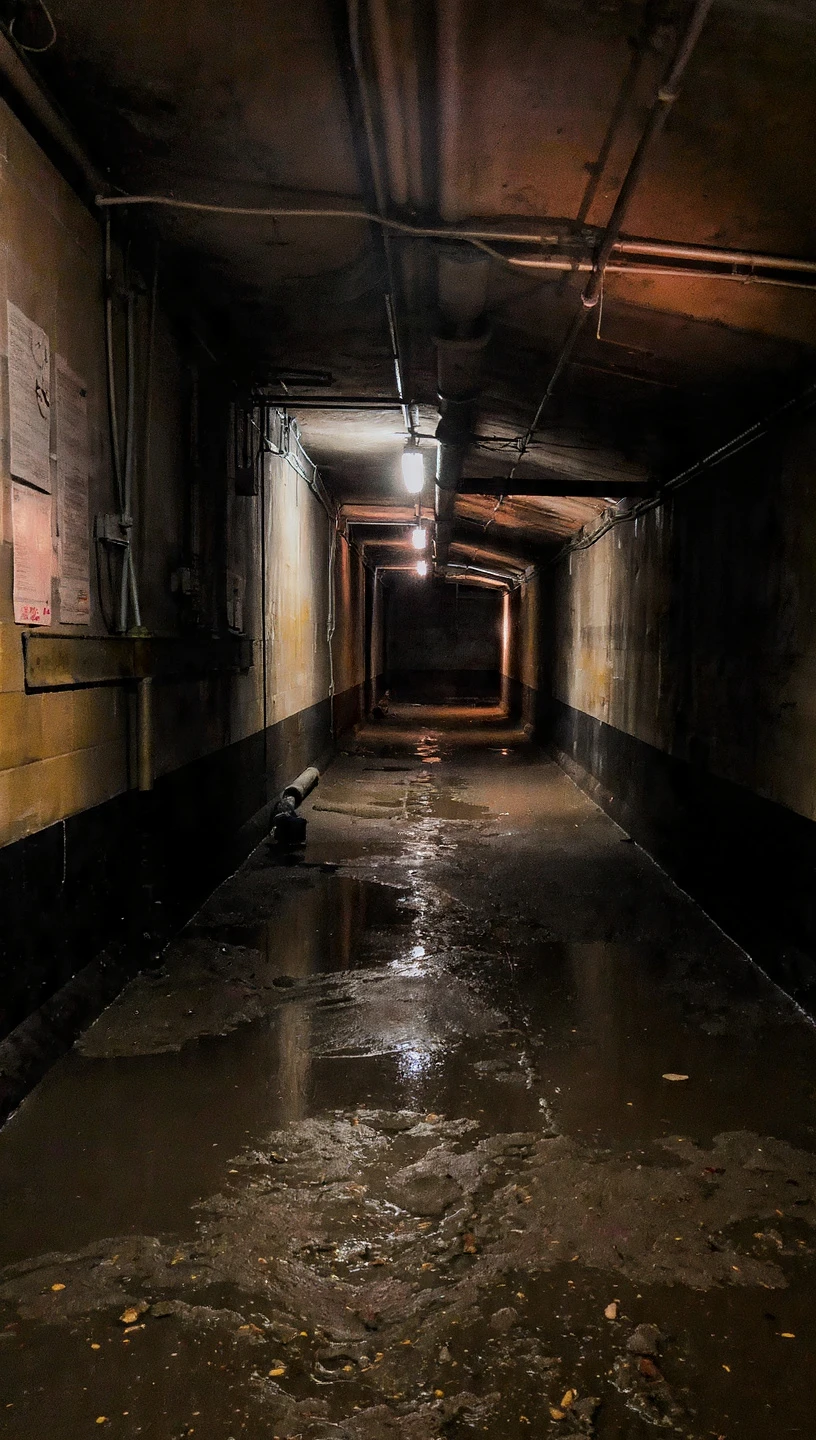
Every modern city relies on systems that work silently beneath the surface — and one of the most vital among them is the Municipal Sewers network. While often overlooked, this underground infrastructure is what keeps communities healthy, safe, and livable. By efficiently managing wastewater and storm runoff, municipal sewers protect public health, preserve the environment, and ensure cities continue to thrive.
The Purpose and Importance of Municipal Sewers
Municipal sewer systems are designed to collect and transport wastewater from homes, businesses, and industrial sites to treatment facilities. Once there, impurities are removed, and clean water is safely returned to the environment. Without a properly functioning sewer network, cities would face overflowing drains, groundwater contamination, and serious health hazards.
Beyond sanitation, municipal sewers also prevent flooding during heavy rainfall by diverting excess water away from streets and properties. In growing urban areas, they are the unseen force keeping everything above ground running smoothly.
How Modern Sewer Systems Work
Today’s sewer systems are more advanced than ever. They consist of a network of pipes, manholes, pumping stations, and treatment plants, all working together to transport and purify wastewater. Key components include:
· Gravity Lines: These underground pipes rely on natural slope to move wastewater efficiently.
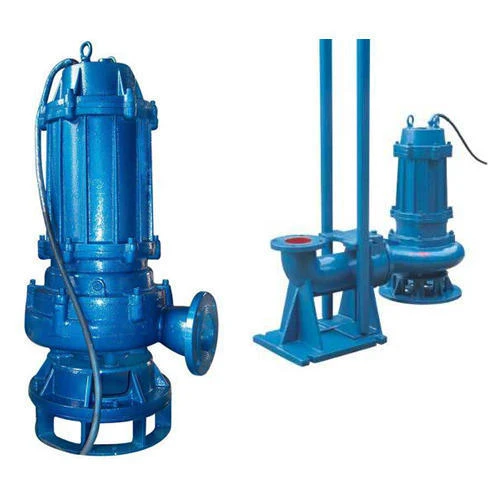
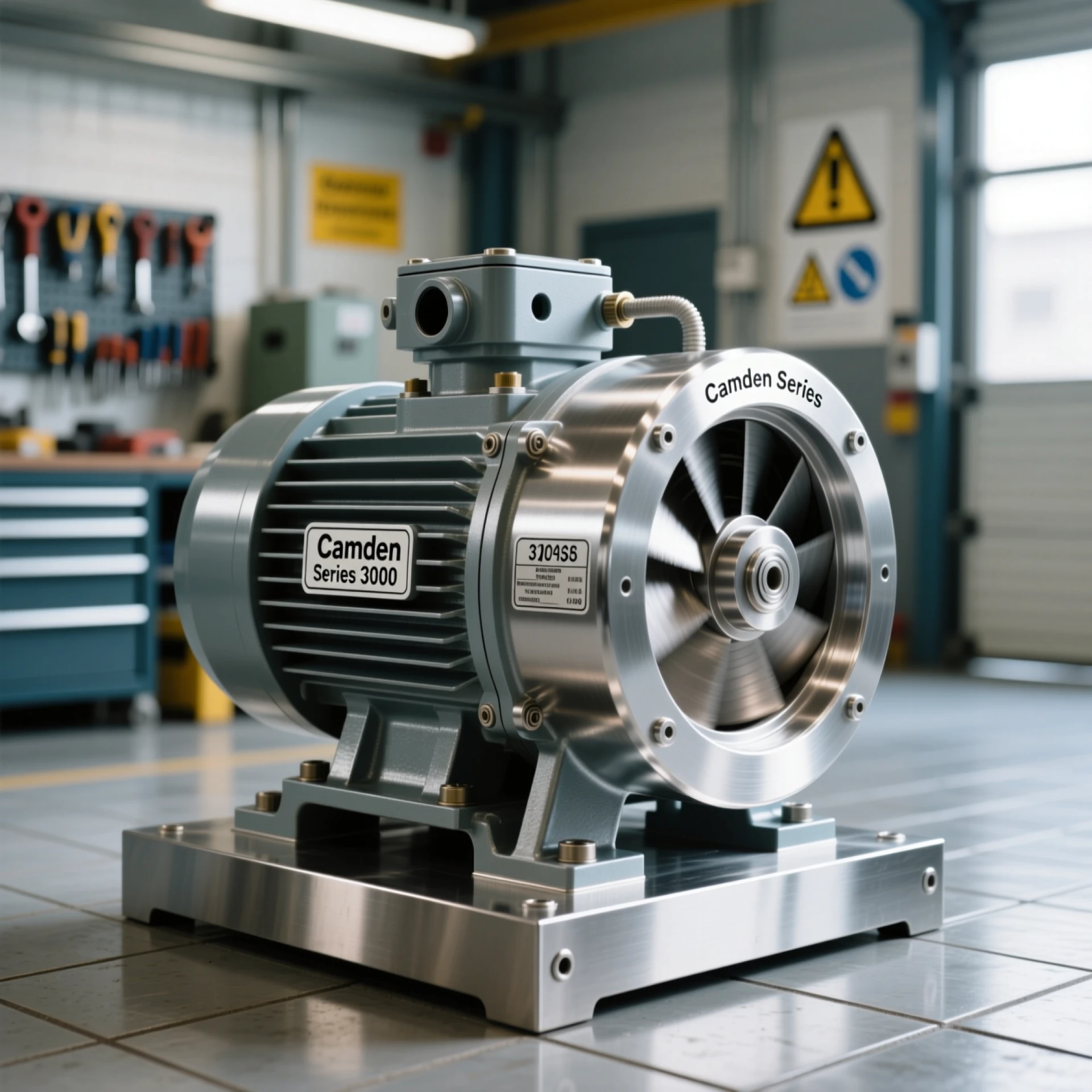
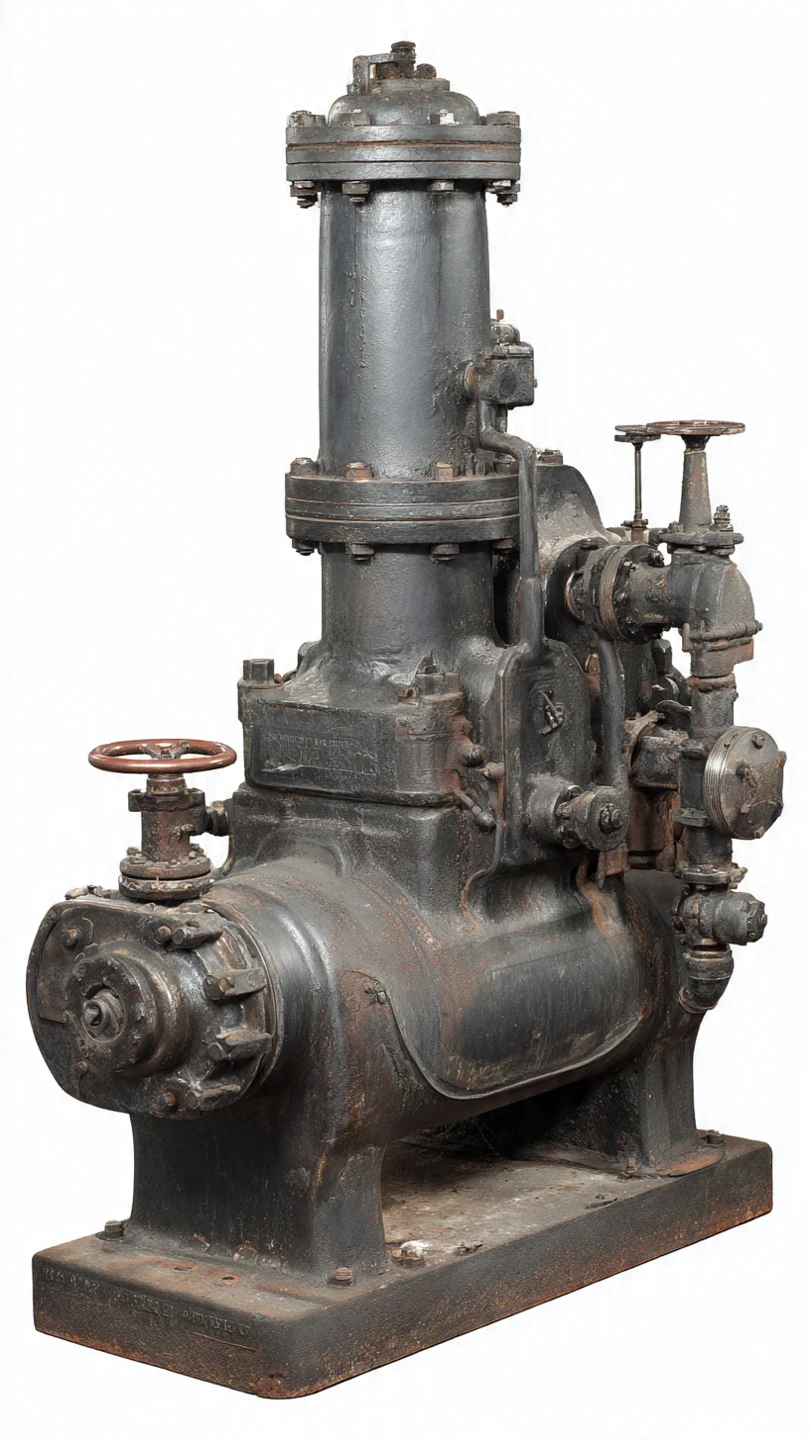
· Lift Stations: When gravity alone isn’t enough, pumps raise water to higher levels for further transport.
· Treatment Plants: Facilities that filter, disinfect, and process wastewater before discharge.
· Storm Drains: Separate lines that handle rainwater to prevent flooding and street runoff.
Each part plays a crucial role in maintaining sanitation and sustainability within urban environments.
The Growing Need for Sewer Upgrades
As cities expand and populations increase, older sewer systems often struggle to meet demand. Aging infrastructure, corrosion, and blockages can lead to backups or leaks that require immediate attention. Municipal Sewers authorities are now investing in smart technologies, like flow sensors and automated controls, to monitor performance and prevent failures. These upgrades help reduce maintenance costs and improve long-term reliability.
Conclusion
Though hidden from sight, Municipal Sewers form the foundation of every healthy, functioning city. They protect communities from contamination, manage stormwater, and support environmental balance. As urban areas continue to grow, maintaining and modernizing these systems remains one of the most important responsibilities of local governments. The efficiency and resilience of municipal sewers determine not just how well a city runs—but how well its people live.




























Sign in to leave a comment.