If you own or manage a property in Wilmington, you already know how critical it is to keep wastewater moving safely and reliably. A failed sewage system is more than an inconvenience—it can shut down operations, damage property, and create health risks. Choosing the right Sewage Pump Wilmington contractors install is the first step toward avoiding those headaches.
First, know what kind of sewage you’re dealing with
Not all sewage is the same. In residential homes, pumps typically handle gray water mixed with solids from bathrooms, kitchens, and laundry. In commercial or industrial facilities, pumps might deal with heavier solids, grease, or even corrosive fluids. Knowing the nature of the waste helps determine the right pump type, impeller design, and material of construction.
Submersible vs. dry pit pumps — what works in Wilmington
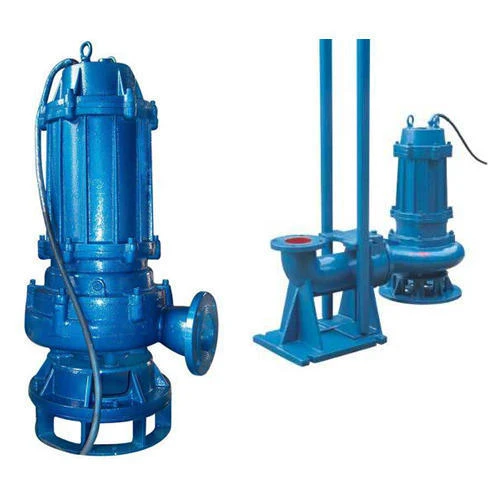
· Submersible pumps sit directly in the wastewater. They’re compact, easier to install, and generally quieter. Ideal for homes, apartment complexes, and smaller commercial setups.
· Dry pit pumps are kept outside the pit or tank and connected with suction piping. They’re easier to maintain since technicians don’t need to enter the wastewater zone, making them better suited for large municipal or industrial systems.
Your choice depends on both the scale of the operation and your tolerance for maintenance complexity.
Common mistakes that shorten pump life
Many pump failures in Wilmington happen not because of the pump itself, but because of installation or usage errors:
· Undersized pumps forced to work beyond their capacity.
· Poor electrical connections leading to overheating.
· Lack of check valves, causing backflow and extra stress on impellers.
· Ignoring regular inspections until a complete breakdown occurs.
Avoiding these mistakes can double or even triple the life of a sewage pump.
What to look for in materials and design
Because sewage contains solids and often corrosive substances, the materials used in pumps matter:
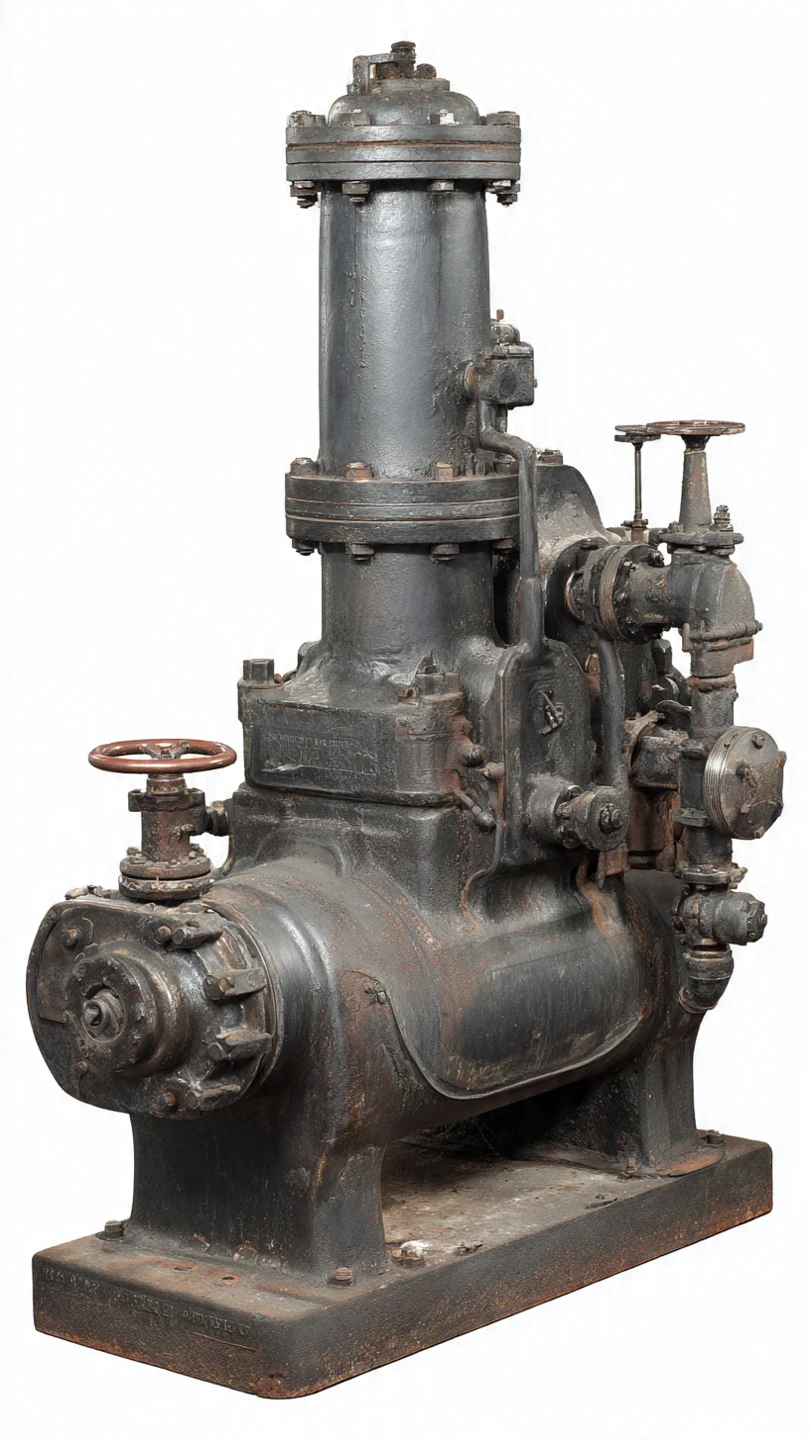
· Cast iron is standard and durable for most jobs.
· Stainless steel is better if you’re dealing with corrosive wastewater.
· Non-clog impellers are a must where solids are common.
Paying attention to these details up front saves money on replacements and repairs down the road.
Maintenance: simple but non-negotiable
Sewage pumps don’t need constant attention, but they do need regular checks:
· Test float switches monthly to make sure they respond.
· Inspect seals and gaskets for early signs of wear.
· Keep the pit or tank free from debris that could jam impellers.
In larger Wilmington facilities, it’s wise to set up a professional maintenance contract to ensure compliance with local wastewater regulations.
In the end, the right Sewage Pump Wilmington property owners choose is the one that’s sized correctly, built from the right materials, and supported by professional installation. When those three things come together, pumps run smoothly, downtime is minimized, and waste is handled safely. A little attention to detail up front can prevent major headaches later.





























Sign in to leave a comment.