
Introduction
Agriculture faces a constant battle against pests that threaten crop yields and quality. While chemical pesticides have long been the go-to solution, their negative environmental impact and growing pest resistance have highlighted the need for sustainable alternatives. Fungal-based biopesticides have emerged as an effective, eco-friendly solution for pest management. One of the leading innovators in this field is Bionema, providing cutting-edge natural pest control solutions.
In this blog, we’ll explore the benefits of fungal-based biopesticides, how they work, and why Bionema is a top choice for farmers seeking sustainable pest control solutions.
Understanding Fungal-Based Biopesticides
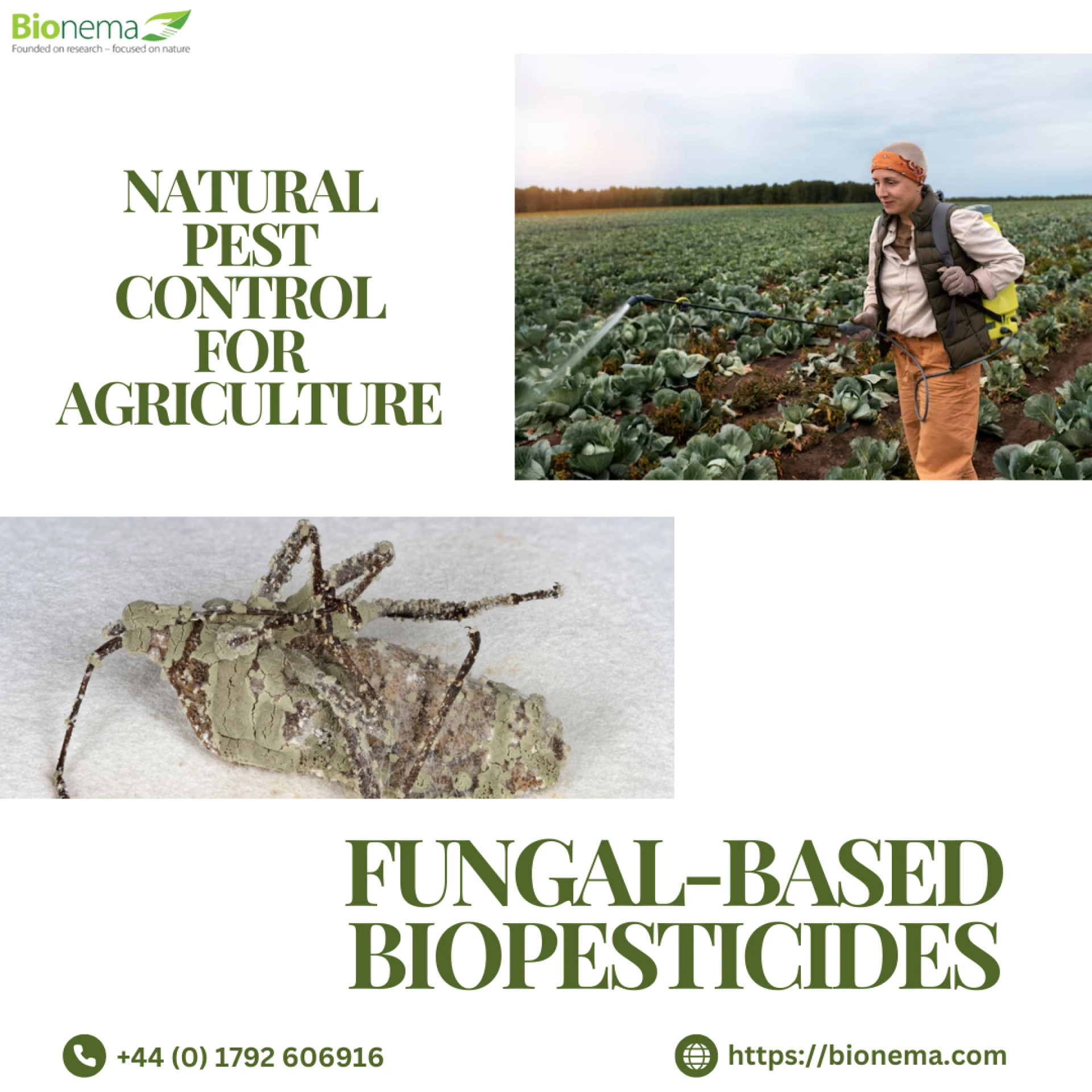
Fungal-based biopesticides are biological products that use naturally occurring fungi to control pests. Unlike chemical pesticides, they target pests with minimal impact on beneficial insects, soil health, and the surrounding ecosystem.
How Do Fungal Biopesticides Work?
Fungi like Beauveria bassiana, Metarhizium anisopliae, and Lecanicillium lecanii are commonly used in fungal-based biopesticides. They work through a process called mycosis, which involves:
- Infection: The fungal spores attach to the pest’s body.
- Germination: The spores germinate and penetrate the pest’s exoskeleton.
- Proliferation: The fungus spreads inside the pest, consuming its internal tissues.
- Death: The pest eventually dies, and the fungus releases spores to infect other pests.
This natural mode of action makes fungal-based biopesticides highly effective against pests while being safe for the environment.
Why Choose Bionema for Natural Pest Control?
Bionema is a leading biocontrol technology company specializing in fungal-based biopesticides. Their innovative products provide farmers with sustainable pest control solutions that are effective, safe, and easy to use.
Key Benefits of Bionema’s Fungal Biopesticides
- Eco-Friendly: Reduces chemical pesticide usage, supporting healthier ecosystems.
- Targeted Action: Specifically affects pests without harming beneficial insects like pollinators.
- Resistance Management: Lowers the risk of pest resistance compared to chemical pesticides.
- Improved Soil Health: Promotes a balanced microbial ecosystem in the soil.
- Safe Application: Safe for farmers, workers, and consumers.
Common Agricultural Pests Managed with Fungal Biopesticides
Bionema’s fungal-based biopesticides effectively control a range of pests, including:
- Aphids: Sap-sucking insects that damage plants and spread diseases.
- Whiteflies: Cause yellowing and reduced plant vigor.
- Thrips: Lead to deformed plant growth and discoloration.
- Caterpillars and Beetles: Chew leaves, stems, and fruits.
- Locusts and Grasshoppers: Devastate crops in large numbers.
Application Methods for Fungal Biopesticides
Using fungal-based biopesticides is straightforward. Bionema offers clear application guidelines to ensure effective pest control. Here are some common methods:
- Foliar Spray: Directly apply the spores onto crops to target pests on leaves and stems.
- Soil Application: Mix with water and apply to the soil to target pests like root grubs and beetles.
- Seed Treatment: Coat seeds with biopesticide formulations to protect crops from pests during early growth stages.
Enhancing Effectiveness with Integrated Pest Management (IPM)
For the best results, Bionema recommends incorporating fungal-based biopesticides into an Integrated Pest Management (IPM) strategy. IPM combines multiple pest control methods to maximize effectiveness while minimizing environmental impact.
IPM Techniques Include:
- Crop Rotation: Disrupts pest life cycles.
- Biological Control: Introduces natural predators and beneficial insects.
- Monitoring and Scouting: Regularly check for pest activity to apply treatments at the right time.
- Cultural Practices: Maintain healthy soil and proper crop spacing.
Sustainable Agriculture with Bionema
Bionema’s commitment to sustainability makes it a preferred choice for farmers seeking long-term pest control solutions. Their fungal-based biopesticides not only protect crops but also contribute to regenerative farming practices, fostering biodiversity and reducing chemical reliance.
Case Study: Real-World Success with Bionema
Many farmers have experienced significant pest reduction using Bionema’s products. For instance, vegetable farmers reported a 40% reduction in aphid infestations and increased crop yields without the need for harmful chemical pesticides.
Conclusion
Natural pest control for agriculture is no longer a challenge with fungal-based biopesticides. Companies like Bionema are leading the way in providing effective, eco-friendly solutions for pest management. By incorporating Bionema’s biopesticides into your farming practices, you can protect your crops, promote soil health, and contribute to a more sustainable agricultural system.
Choose Bionema for natural pest control and experience the benefits of safe, effective, and environmentally friendly farming.






























Sign in to leave a comment.