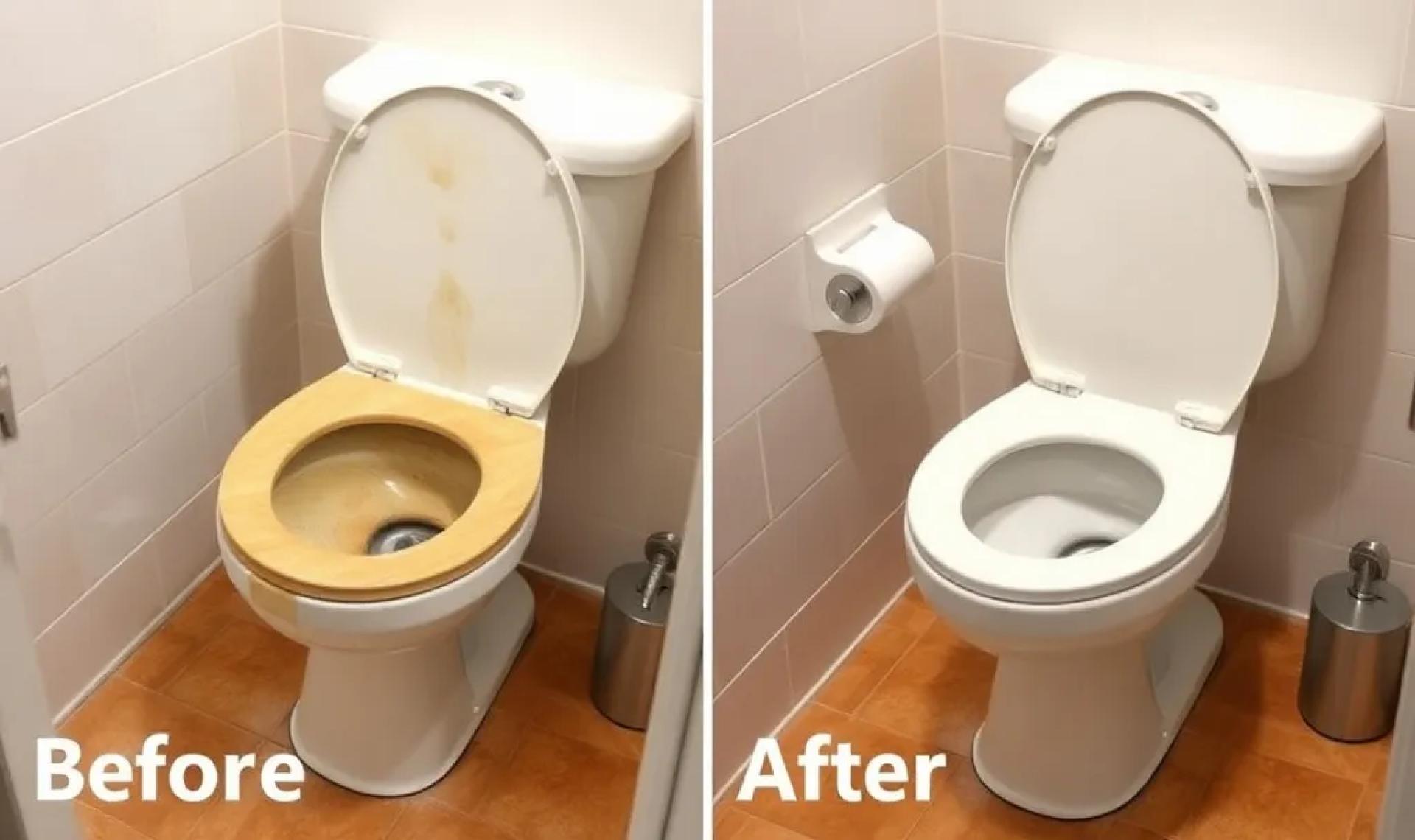

If you’re new to renting in Perth, you may have heard the term “end-of-lease cleaning” but aren’t entirely sure what it means. Simply put, it is the process of thoroughly cleaning a rental property before you move out. Landlords and property managers expect the property to be returned in a clean, well-maintained condition. How well the property is cleaned can directly affect whether you receive your full bond back. This end of lease cleaning guide will walk you through the basics, provide practical steps, and help you approach the task confidently, even if it’s your first time.
What Is End-of-Lease Cleaning?
End-of-lease cleaning is different from the everyday cleaning you might do while living in the property. It is a deep, systematic clean that ensures every corner meets the standards expected by the landlord. The main areas that are typically included are:
- Floors, walls, and skirting boards
- Kitchen and bathroom appliances
- Windows, doors, and fixtures
- Often-overlooked areas like vents, behind appliances, and outdoor spaces
This type of cleaning is designed to make the property look as close as possible to the condition it was in when you first moved in, or better. A careful approach can help avoid disputes over bond deductions and leave a good impression during the final inspection.
Why It Matters
Cleaning a rental properly is important because landlords can deduct money from your bond to cover professional cleaning if the property is not up to standard. Even small areas left dirty, such as the space behind the fridge, inside cupboards, or on window tracks, can lead to deductions. A structured approach, guided by an end of lease cleaning guide, helps ensure no areas are overlooked.
Understanding the importance of cleaning early also reduces stress and allows you to address minor repairs, like fixing loose fixtures or filling small holes, before the inspection. The process might seem tedious at first, but planning and following a step-by-step approach makes it manageable.
Planning Your Cleaning
Proper planning is essential for a smooth and efficient clean. Here are some important steps:
- Start Early: Begin at least a week before your lease ends. This gives you time to clean thoroughly and handle any unexpected issues.
- Make a Checklist: Write down every area and task to ensure nothing is missed. This includes all rooms, appliances, and outdoor spaces.
- Handle Repairs: Small issues like broken light bulbs, loose taps, or wall holes should be fixed before cleaning. This prevents deductions and ensures a complete inspection.
Being organized from the start allows even first-time renters to approach cleaning systematically rather than rushing at the last minute.
Room-by-Room Cleaning Guide
Kitchen:
- Clean cupboards inside and out, including shelves and drawers
- Wipe down countertops and splashbacks
- Scrub sinks, taps, oven, stove, and range hood
- Clean behind and under appliances if possible
Bathroom:
- Scrub tiles, grout, mirrors, and sinks
- Clean toilets, showers, and tubs thoroughly
- Remove limescale, soap scum, and any residue
- Wipe down towel rails, taps, and light fixtures
Living Areas and Bedrooms:
- Vacuum carpets and mop floors
- Dust all surfaces, including skirting boards and ceiling fans
- Remove cobwebs from corners and ceiling edges
- Check and clean window sills and tracks
Windows and Doors:
- Clean panes inside and out if accessible
- Wipe down tracks, handles, and frames
- Remove fingerprints, marks, and dust
Areas Often Overlooked
Even careful cleaning can miss certain spots, which can affect your final inspection. Commonly overlooked areas include:
- Behind and under appliances like fridges and ovens
- Inside cupboards, drawers, and wardrobes
- Light fixtures, vents, and ceiling fans
- Outdoor areas such as patios, balconies, and small gardens
Paying attention to these areas ensures a thorough clean and can make the difference in receiving your full bond.
Preparing for the Final Inspection
Once cleaning is complete, it’s important to take a few extra steps before the landlord or property manager inspects the property:
- Ensure all spaces are tidy and free of debris
- Check that appliances, taps, and light fixtures are functioning correctly
- Take photos of every cleaned area as evidence of the property’s condition
- Double-check that small details like cupboard doors, handles, and corners are spotless
These simple steps reduce stress and provide confidence during the inspection.
Conclusion
End of lease cleaning guide is designed to help new Perth tenants understand the process from the ground up. By starting early, cleaning systematically, and paying attention to areas that are often missed, you can leave a rental property in excellent condition. Careful planning and attention to detail ensure a smooth inspection and maximize your chances of receiving your full bond. Even for first-time renters, following these steps can make end-of-lease cleaning straightforward and manageable.
FAQ
Q1: What is included in end-of-lease cleaning?
It covers all rooms, appliances, floors, walls, windows, doors, and outdoor areas like patios or balconies.
Q2: When should I start cleaning?
At least a week before your lease ends to allow time for thorough cleaning and minor repairs.
Q3: Are outdoor areas part of the cleaning?
Yes. Patios, balconies, and gardens are included in standard end-of-lease cleaning expectations.
Q4: Which areas are most commonly missed?
Behind appliances, inside cupboards, vents, light fixtures, and outdoor spaces.
Q5: Why is planning important?
Planning ensures all areas are cleaned systematically, reduces stress, and helps protect your bond.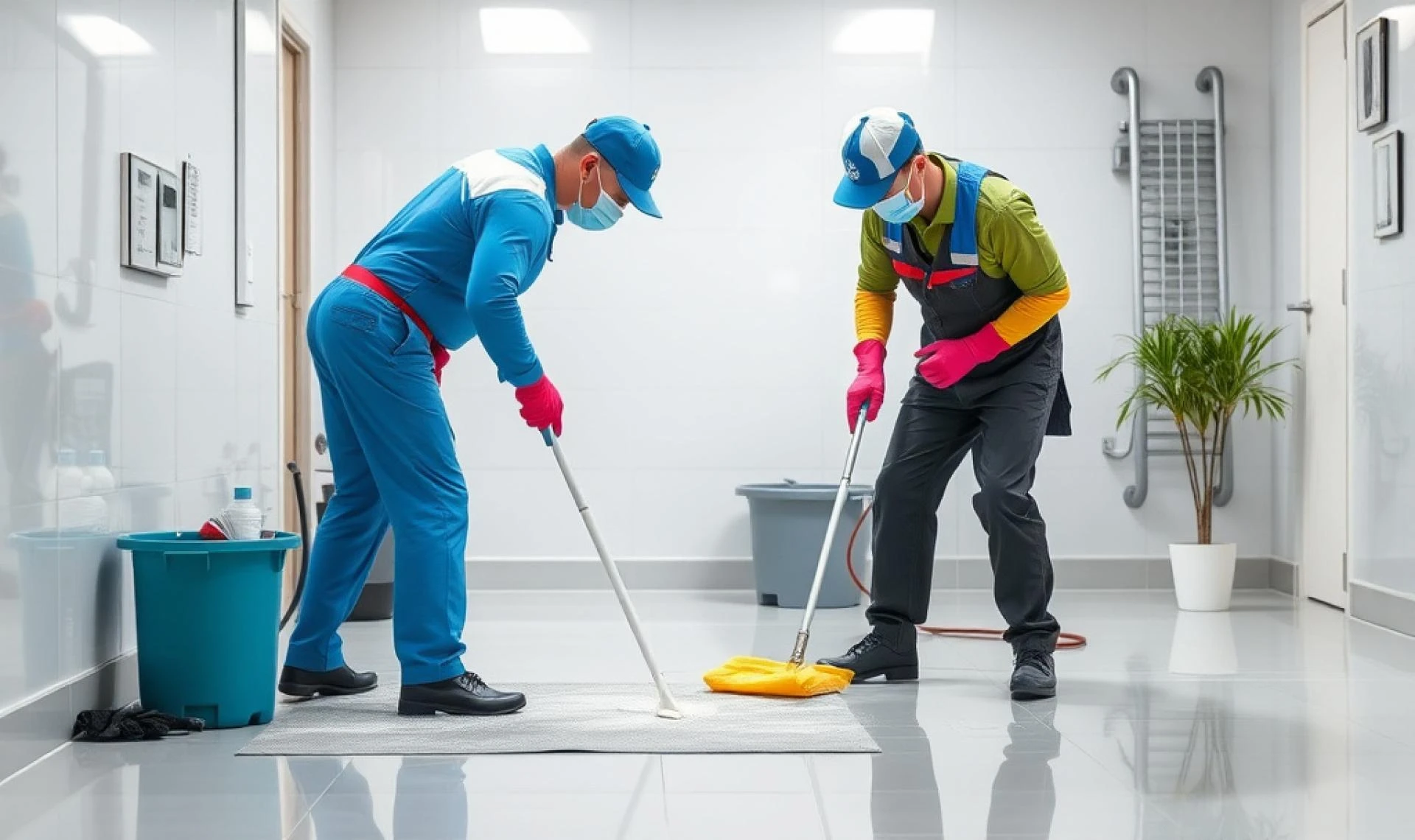




























Sign in to leave a comment.