

Pick up a guitar, plug it in, and it changes everything. A riff turns into an idea. A bend becomes a new sound. Guitars today aren’t just built for classic rock, they’re built to fuel whatever direction players want to take them. The instrument itself has become a partner in shaping tone.
Specifications That Push Creativity
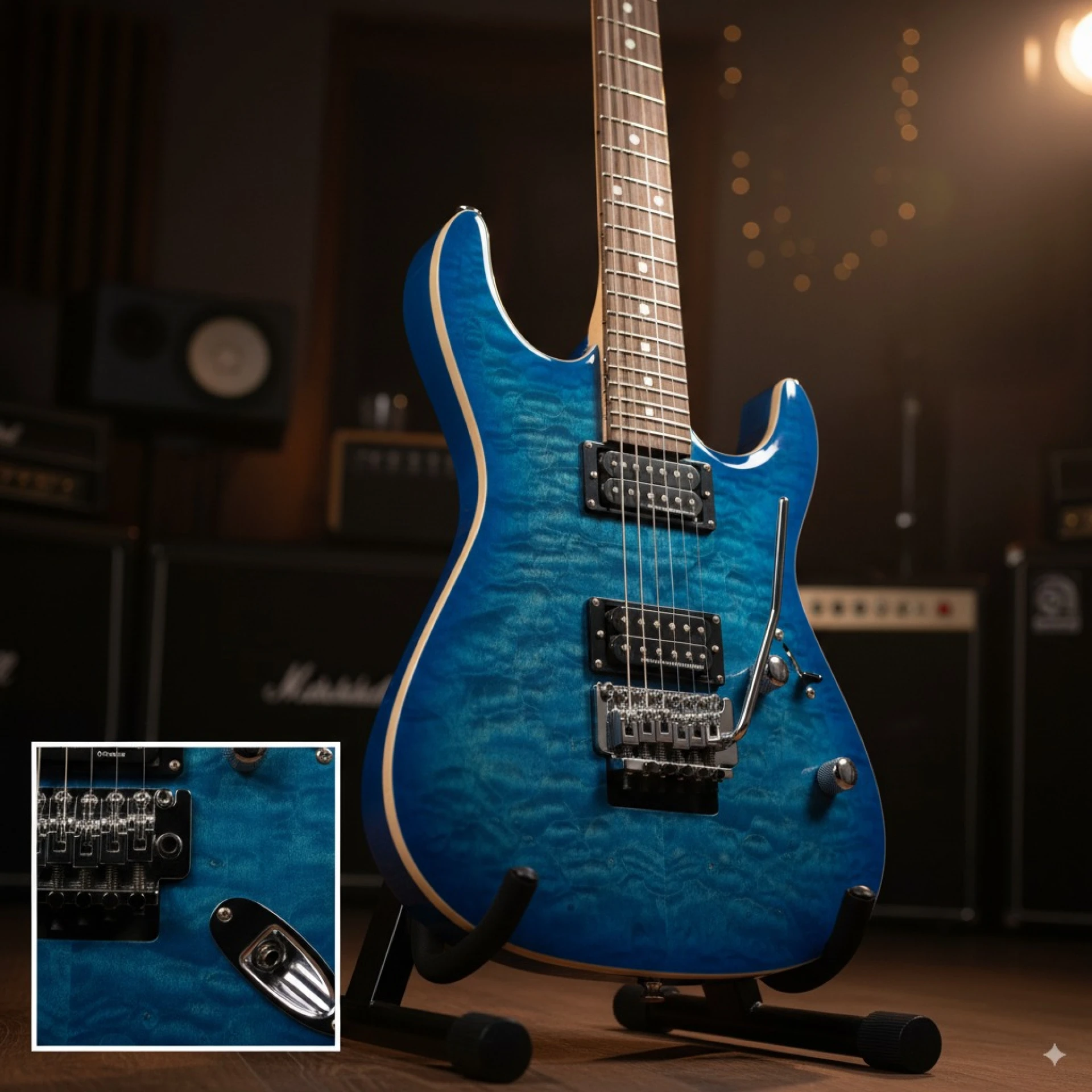
Take the Predator Plus ST. It’s a solid basswood body with a quilted maple top on transparent finishes. The maple adds bite, while the basswood keeps the weight manageable. Together, they make an electric guitar that feels balanced and clear.
The bolt-on maple neck is 25.5 inches long and has 24 frets. That reach alone opens space for solos to climb higher than traditional setups. The gloss finish keeps it smooth and quick in the hand.
Hardware holds it steady. Sealed die-cast tuners lock in tuning. The string-through body adds sustain. On specific Plus models, the Floyd Rose tremolo brings expressive bends and dive bombs without throwing tuning out the window. Every spec here is built to make experimentation simple.
Why These Details Shape Playstyles?
The whole track can change when you shift from humbucker to single coil mid-song. It’s not just gear talk, it’s flexibility in real time.
Twenty-four frets let players move past the typical blues boxes and pentatonic habits. You’re not locked into the middle of the neck. You can stretch ideas into higher registers and layer leads over rhythm.
That balance of basswood and maple gives a sound that’s warm but never muddy, bright but not brittle. It’s a platform you can push without fatigue. Long sets don’t weigh you down, and the guitar responds with a consistent tone.
The Real Value of Coil-Split Design
The push-pull coil split looks simple, but it’s one of the most underrated tone tools on a guitar. In one motion, you go from the full punch of a humbucker to the leaner voice of a single coil.
That means you can carry a single guitar to a gig and cover everything from hard rock riffs to funk rhythms. A blues solo that needs more bite? Pull the pot. A heavy chorus that needs thickness? Push it back in.
Instead of hauling multiple guitars, you carry one with a built-in range of voices. For players who like to test boundaries live, that flexibility changes how songs get written and performed.
Stability You Can Rely On
Tone isn’t just about electronics. Stability shapes confidence.
Bolt-on neck construction offers reliability. If the neck ever needs adjustment, it’s straightforward. Sealed tuners keep the guitar in tune through bends, slides, and tremolo dives. The string-through design improves resonance and adds noticeable sustain even without an amp.
The Floyd Rose system on Plus models means you can push tremolo techniques without fear. Whammy dives, subtle vibrato, or extreme pitch shifts stay controlled. You don’t fight the hardware, you play it.
When an instrument holds tuning under pressure, it frees you to focus on expression instead of corrections. That’s the difference between gear that gets in the way and gear that opens doors.
How Are Playstyles Shifting?
Listen to how players approach the electric guitar today. You hear cross-genre blends that weren’t as common twenty years ago. Within minutes, a single track might carry funk-inspired rhythms, a metal-style solo, and clean jazz chords.
This shift isn’t about trends for the sake of trends. It’s about practical tools meeting creative curiosity. Once you experience the tonal swing of humbuckers splitting into single coils, or the freedom of reaching the 24th fret, it changes how you write.
Why Specs Matter More Than Names?
A finish might catch your eye, but specs shape sound.
- Coil-split wiring widens tone options without complicating setup.
- Sealed tuners and a bolt-on neck give stability where it counts.
- Maple and basswood pair for a balance that works in any genre.
- A Floyd Rose bridge turns technique into expression without sacrifice.
These aren’t marketing lines, they’re design choices that change how a guitar plays. Each detail exists to invite more sound, more style, and more experimentation.
Building Playstyle Into Content
For players discovering gear online, details matter. The best way to communicate what a guitar can do is to show precisely how specs connect to play.
That means listing pickups, wiring, neck profiles, and hardware clearly. Show how a coil split works. Point out how upper fret access changes solos. Let visuals back it up, as well as close-ups of fretboards, diagrams of pickup wiring, or shots of the hardware that make the difference.
When players see the link between a spec and a sound, they understand what the guitar is and what it can become in their hands.
The Call to Pick Up and Play
Exploring models like the Predator Plus ST or HP2 isn’t about chasing the latest trend. It’s about finding the tools that let you define your own.
The specs give you options. The build keeps it steady. The sound adapts to what you want to create. That’s the real point: an electric guitar should never limit you. It should push you further.



























Sign in to leave a comment.