

Ten years ago, a supplement’s worth was measured mainly by its results. Today, consumers expect much more. Supplements must be cleanly formulated, ethically sourced, and consistent with lifestyle values such as veganism, plant-based diets, or cultural certifications. These non-negotiable expectations are redefining industry practices, despite limited regulatory intervention.
Clean label in context
The clean label movement started with food but has now transformed the supplement sector. Although there is no strict definition, it generally means:
- Fewer ingredients, ideally natural and recognizable.
- Free from artificial additives like sweeteners, preservatives, and colors.
- Uncontaminated by heavy metals, antibiotics, or pesticides.
Consumer studies reinforce this trend. In the US, 75% of adults use supplements, according to CRN (2023). In Europe, Ipsos (2022) found that 56% prioritize natural or non-GMO claims, and 84% read labels closely before purchase.
Beyond safety, inclusivity matters—labels such as “vegan,” “halal,” and “kosher” are increasingly mainstream.
Retailers, not regulators, are embedding these clean label requirements into store policy and product visibility.
Retail leadership in clean labeling
Whole Foods Market, long a leader in wellness retail, maintains a “No List” of 150+ banned ingredients, emphasizing necessity and cleaner alternatives in addition to safety.
Holland & Barrett also enforces strict rules, excluding preservatives, binders, and sweeteners in many outlets.
Online platforms reinforce this approach. iHerb offers global customers filters such as vegan, preservative-free, and halal. Vitacost highlights transparency with certification tags and clean product listings.
From niche to mainstream
Clean label is no longer restricted to niche wellness retailers. Target’s 2022 “Clean” program expanded labeling standards to supplements, while Amazon allows filtering for dietary and “free-from” preferences.
This mainstream embrace proves clean label is now a baseline expectation across the industry.
Algorithmic enforcement
Filters, rankings, and certification tags influence product visibility across online platforms. Together with retailer policies, these pressures essentially enforce clean label principles. Brands unable to comply risk poor visibility or exclusion, forcing higher investments in alternative marketing.
Dosage form challenges in clean reformulation
Adapting to clean label standards varies across supplement formats:
- Gummies: Highly popular but technically difficult to stabilize naturally. Sweeteners and fruit extracts compromise taste, moisture, and shelf life.
- Softgels: Ideal for oils but reliant on gelatin, excluding vegan and halal markets. Plant-based alternatives are costly and complex to process.
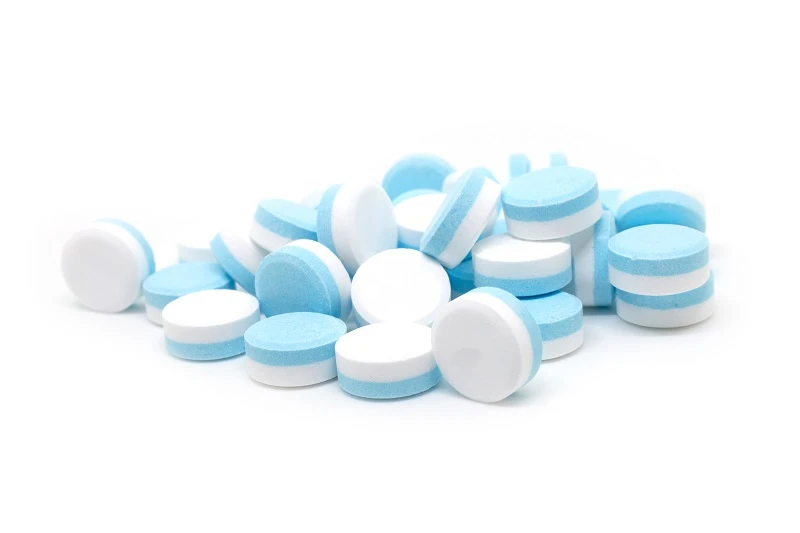
- Tablets: Cost-effective and scalable but excipient-heavy. Natural substitutes introduce batch inconsistencies, moisture sensitivity, and microbial concerns.
While possible, clean reformulation often adds complexity and expense.
Capsules as a cleaner path forward
Hard capsules provide a simpler clean label solution, requiring minimal excipients.
ACGcaps™ H+, certified by the Clean Label Project, is made only from cellulose and water. This minimalist shell supports diverse formulations while offering mechanical strength and stability.
Supporting innovations like NTone natural colors, TSafe TiO₂-free opacifiers, and vegan inks reinforce clean label authenticity and brand differentiation.
Benefits of ACGcaps™ H+:
- Minimal ingredients, plant-based composition.
- Compatible with vegan, kosher, and halal standards.
- Stable, protective, and taste-masking without additives.
- Ready-to-fill format simplifies production and scale-up.
Conclusion
Clean label has become a fundamental expectation, shaped by retailer standards and digital algorithms rather than regulations.
For supplement brands, gummies, tablets, and softgels present major reformulation hurdles. Hard capsules—and particularly ACGcaps™ H+—offer a direct, practical way to align with consumer expectations while maintaining performance.
By adopting such solutions, brands can meet clean label demands, ensure visibility, and build lasting consumer trust.






























Sign in to leave a comment.