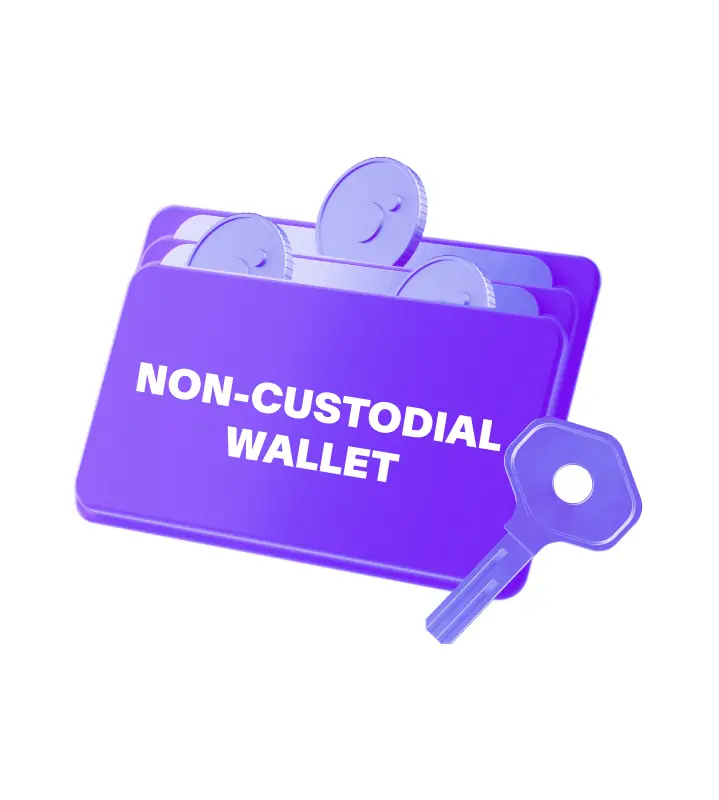
As Web3 adoption accelerates, conversations around security, ownership, and privacy have become central to the blockchain ecosystem. One of the most important innovations addressing these concerns is the rise of non custodial wallets. Unlike traditional custodial solutions where a third party holds your keys and funds, non custodial wallets allow users to retain full control of their digital assets. This shift toward self-custody represents a fundamental change in how people interact with cryptocurrencies, decentralized finance (DeFi), and Web3 applications.
What Are Non-Custodial Wallets?
Non custodial wallets are digital wallets that provide users with complete control over their private keys, ensuring that only the owner can access, manage, and transfer funds. In contrast, custodial wallets—such as those offered by centralized exchanges—store private keys on behalf of the user, creating a dependency on the platform’s security measures. By eliminating intermediaries, non custodial wallets empower users to be their own bank.
Why Self-Custody Matters in Web3
The ethos of Web3 is built on decentralization, ownership, and trustless systems. Custodial solutions, while convenient, create risks that directly contradict these values. Hacks, exchange collapses, and mismanagement of funds are constant reminders that trusting a centralized entity with your assets can be dangerous. Non custodial wallets, however, eliminate this dependency by putting ownership directly in the hands of users.
Self-custody ensures:
- True ownership: Assets cannot be frozen or seized by a third party.
- Enhanced security: Private keys remain solely in the user’s possession.
- Greater privacy: Transactions are handled directly without intermediaries.
Security Benefits of Non-Custodial Wallets
The security model of non custodial wallets makes them a superior choice for safeguarding digital assets. By holding your own private keys, you reduce reliance on centralized platforms that are often targets for hackers. Additionally, modern non custodial wallets come equipped with features like biometric authentication, multi-signature support, and hardware wallet integrations to further protect users.
While responsibility shifts to the individual, this self-sovereignty is a powerful advantage in protecting wealth in an increasingly digital economy.
Non-Custodial Wallets and DeFi
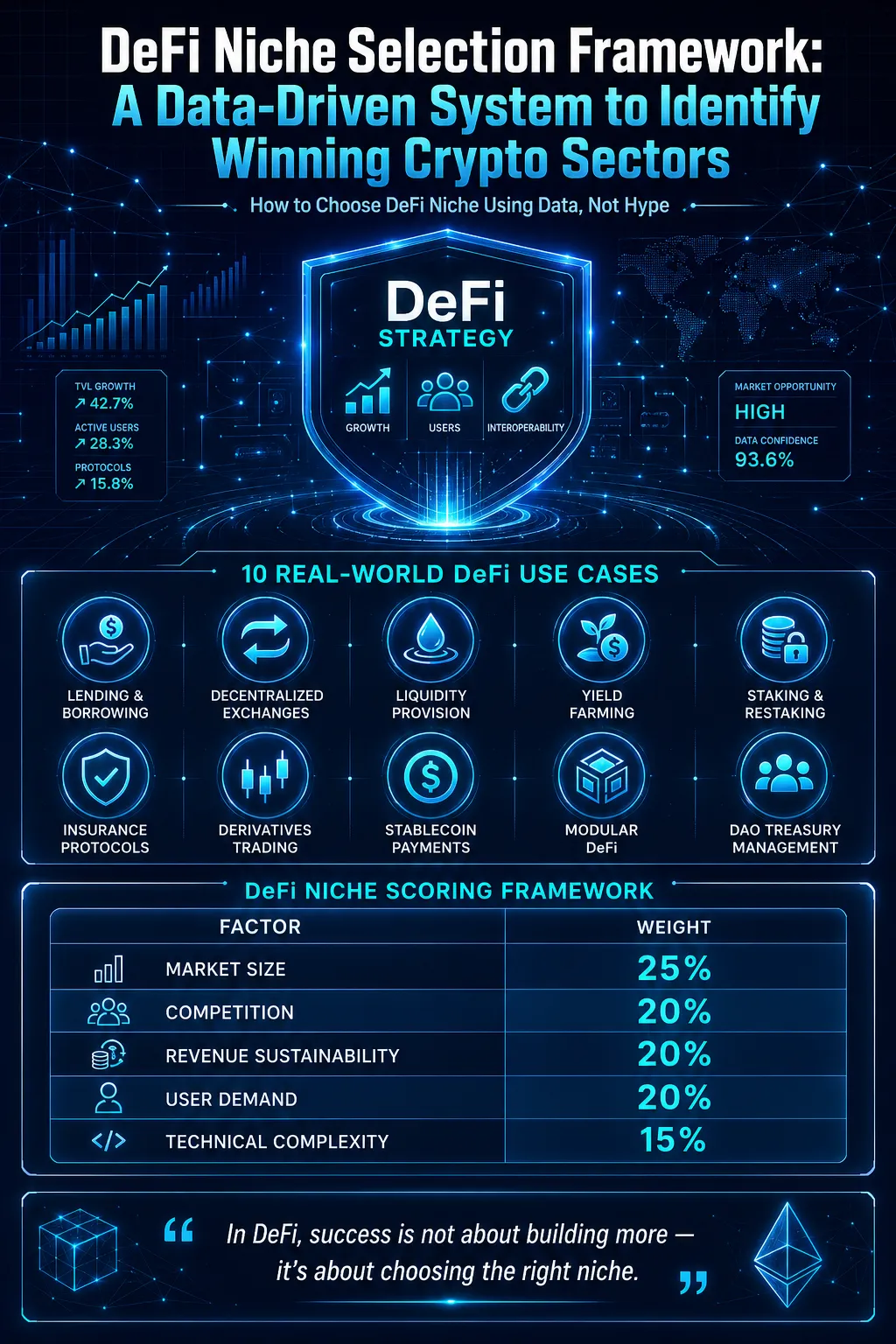
Decentralized Finance (DeFi) is one of the fastest-growing sectors in Web3, and non custodial wallets are at the center of this movement. Since DeFi protocols operate without intermediaries, users need a direct and secure way to interact with decentralized applications (dApps). Non custodial wallets provide exactly that. They allow users to:
- Lend, borrow, and stake assets without a third party.
- Participate in liquidity pools and yield farming securely.
- Seamlessly connect to multiple dApps with one wallet.
This integration highlights why non custodial wallets are more than just storage solutions—they are gateways to the broader decentralized economy.
Challenges and Considerations
Despite their advantages, non custodial wallets also come with challenges. Users must take full responsibility for securing their private keys and recovery phrases. Losing this information means permanent loss of funds. Additionally, newcomers to crypto may find the user experience intimidating compared to custodial platforms that offer account recovery and customer support.
However, ongoing innovations such as account abstraction, social recovery mechanisms, and user-friendly interfaces are making non custodial wallets more accessible to the mainstream.
The Future of Web3 Security with Non-Custodial Wallets
As digital ownership becomes increasingly important in areas like gaming, NFTs, and tokenized assets, the demand for non custodial wallets will continue to grow. They embody the principle of self-sovereignty, giving users confidence that their assets remain safe regardless of what happens to centralized platforms.
With advancements in wallet technology, improved user experience, and growing awareness of the risks of centralized custody, self-custody is poised to become the standard for Web3 security.
Conclusion
Non custodial wallets represent a paradigm shift in how individuals manage digital assets. By enabling true ownership, enhancing security, and powering DeFi participation, they are laying the foundation for a more secure and decentralized future. While challenges remain in terms of usability, the long-term benefits of self-custody far outweigh the risks. For Web3 to achieve its full potential, non custodial wallets will play a pivotal role in securing the decentralized economy.

























Sign in to leave a comment.