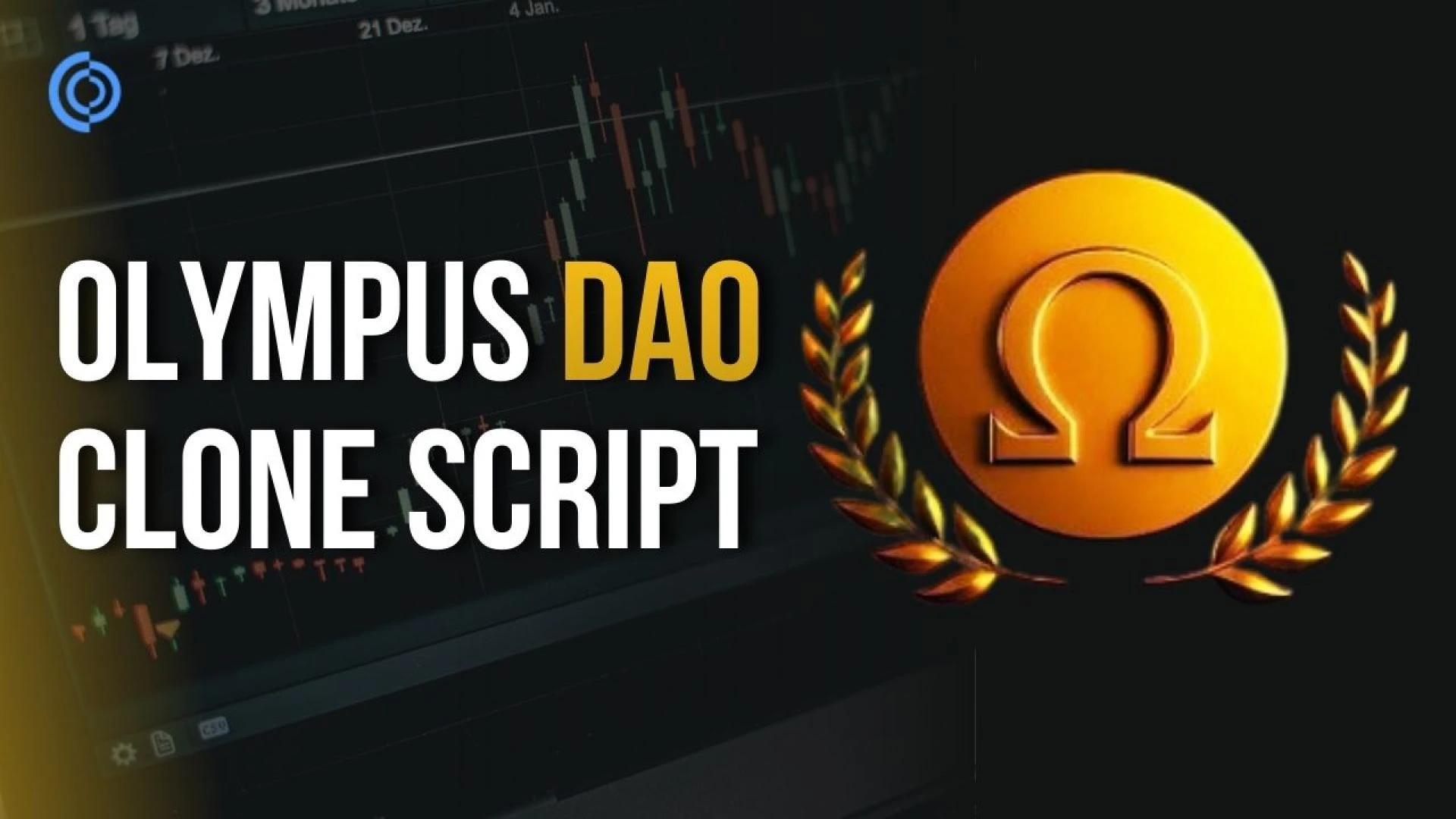

Decentralized Finance (DeFi) has evolved rapidly, and among its most influential innovations is the concept of DAO-governed, treasury-backed protocols. Olympus DAO pioneered this model by introducing a decentralized reserve currency powered by protocol-owned liquidity (POL), bonding, staking, and rebasing mechanisms.
Today, startups and Web3 entrepreneurs can leverage an Olympus DAO clone script to build improved, sustainable versions of this model without having to develop everything from scratch.
This blog explains what an Olympus DAO clone script is, how it works, its key features, benefits, development process, and whether the model is still viable in 2026.
What Is an Olympus DAO Clone Script?
An Olympus DAO clone script is a ready-to-deploy software framework that replicates the core mechanics of the Olympus DAO protocol. It includes pre-built smart contracts for:
- Bonding
- Staking
- Rebasing
- Treasury management
- Protocol-owned liquidity (POL)
- DAO governance
Instead of spending months building and testing complex DeFi logic, teams can use a clone script as a foundation, then customize tokenomics, emission rates, governance rules, and treasury strategies to align with their project vision.
This approach significantly reduces development time, cost, and technical risk.
How an Olympus DAO-Like Protocol Works
At its core, an Olympus-style protocol aims to create a decentralized reserve currency backed by on-chain assets held in a treasury.
Protocol-Owned Liquidity (POL)
Unlike traditional liquidity mining models, the protocol itself owns its liquidity. Assets collected through bonding are added to the treasury, reducing reliance on external liquidity providers and protecting against liquidity withdrawal risks.
Bonding Mechanism
Users purchase the native token at a discounted rate by depositing reserve assets (such as stablecoins or LP tokens). These assets strengthen the treasury while tokens are distributed gradually.
Staking & Rebase Logic
Users stake tokens to earn rewards through rebasing. Instead of earning only through price appreciation, stakers receive supply-based rewards that increase their token balance over time.
Treasury Backing
Each token is backed by treasury assets, helping establish a minimum intrinsic value and improving long-term stability.
Is the Olympus DAO Model Still Sustainable in 2026?
The original Olympus DAO revealed that extremely high APYs without real yield are unsustainable. However, modern Olympus-style protocols have evolved.
What Successful Clones Do Differently:
- Lower, controlled emission rates
- Revenue-backed rewards instead of pure inflation
- Dynamic rebasing parameters
- DAO-controlled treasury strategies
- Transparent risk management
With responsible tokenomics and real treasury yield, an Olympus DAO-like model can still be viable in 2026.
Key Features of an Olympus DAO Clone Script
- Customizable tokenomics & rebase parameters
- Bonding & staking smart contracts
- DAO governance & voting mechanisms
- Treasury analytics dashboard
- Protocol-owned liquidity (POL)
- Multi-chain deployment support
- White-label & fully customizable UI
Benefits of Using an Olympus DAO Clone Script
- Faster Time-to-Market
- Cost Efficiency
- DAO-Driven Governance
- Sustainable Liquidity Model
- Scalability
Step-by-Step Olympus DAO Clone Development Process
- Requirement Analysis & Tokenomics Design
Define emissions, treasury backing, and governance structure. - Clone Script Customization
Adjust bonding curves, staking rewards, and rebase logic. - Smart Contract Deployment
Deploy and configure contracts on the selected blockchain. - Frontend & Admin Dashboard Setup
Integrate staking, bonding, and governance interfaces. - Security Testing & Auditing
Perform unit testing and third-party audits. - Testnet & Mainnet Launch
Validate performance before going live. - Token Launch & Liquidity Bootstrapping
Begin bonding and treasury growth.
Final Thoughts
An Olympus DAO clone script offers one of the most efficient ways to build a DAO-governed, treasury-backed DeFi protocol. While the model requires careful economic design, modern implementations focused on sustainability and transparency can unlock powerful opportunities in Web3.
If you’re planning to launch a next-generation DeFi protocol, an Olympus DAO clone script provides the right balance of speed, flexibility, and decentralization.























Sign in to leave a comment.