

You’ve definitely been there, rushing to complete your endless errands and then, oh no, one of the lights on your dashboard has come on. It’s time for your car’s oil to be changed. Now, you’re stuck with an internal struggle. Do you go with the easiest option, getting the oil change at the first fast-service place you see? Or do you spare some extra time and get a scheduled oil change at your car’s brand-name dealership?
This internal debate is the driving force of a car owner’s dilemma: convenience and speed vs. knowledgeable service and expertise.
Most of the time, the easiest decision isn’t the cheapest. As a driver, you want to always think about the future of your car. Now more than ever, getting an oil change at a place that’s known for providing a premium oil change is extremely beneficial for your car. The best oil change places will have oil change services with components designed specifically for your car’s make and model and the state of your engine.
When you get an oil change, you need to think about what that oil change service has, and what your car needs. Also, you need to think about the warranty your car has and the lifestyle you have.
On-the-Spot Oil Changes: The Quick Option
On-the-spot oil change locations use specialized building designs that allow them to quickly and efficiently perform oil changes with low costs and minimal effort for the customer. This style of oil change service caters to the customer who views vehicle maintenance as a task that needs to be performed as quickly as possible, perhaps even while at work over their lunch break.
The main benefit to these services is the speed. You can be back on the road in as little as 15 to 20 minutes. Many of these modern oil change facilities allow you to stay in the vehicle while the oil change is performed. Even after normal business hours, many quick-lube oil change facilities go out of their way to be flexible and available to their customers.
The cost of an on-the-spot service is generally lower on average. Because quick-lube facilities frequently run promotional deals, they are an excellent option for budget-conscious drivers looking for an inexpensive way to keep an older commuter vehicle running reliably.
This rapid pace does create some challenges. Automotive generalists, as opposed to brand-specific specialists, staff high-volume, quick-lube lanes. That's great, because they can change your car's oil, but there is no generalist equivalent for brand-specific problems. This type of work is much harder to identify and requires specialized knowledge of an engineering ecosystem.
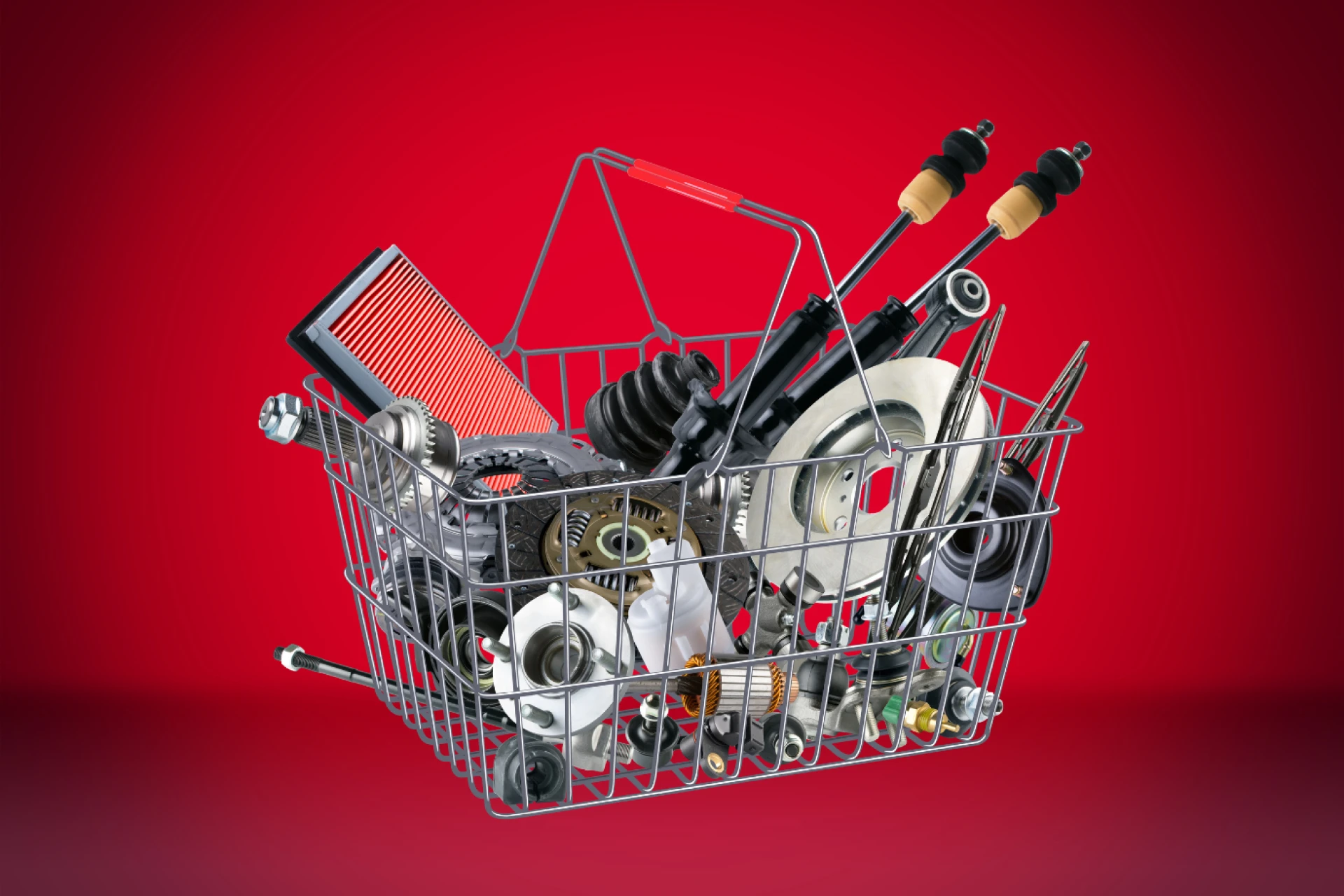
The margins are so tight in quick-lube facilities, they do a high-pressure upsell for things like air filters or wiper blades. Quick-lube shops depend on bulk, third-party aftermarket components. These components are generic and may satisfy almost every safety level required, but may deviate some from your car's brand engineering.
Dealership Car Care: The Specialized Approach
What you will find at a dealership service department is a completely different philosophy. Here, they focus on long-term mechanical integrity and ensuring you are still in compliance with the factory and balancing the overall picture of maintaining your car's resale value. Rather than focusing on retailing a rapid volume of cars, they prefer specializing in maximum care for your vehicle.
One of the best things about dealership care is that factory-certified technicians are factory-certified for a reason. These technicians only see the specific brand of fleet cars that their dealership specializes in and therefore know about the specific mechanical quirks, the technical updates, and the peculiarities of the specific model. This is especially important for high-end, luxury performance cars and for the newer hybrid cars.
Dealerships use Original Equipment Manufacturer (OEM) parts exclusively. This ensures that every replacement component used during your service is identical to the parts your car originally received on the assembly line. In addition, service departments check your VIN (Vehicle Identification Number) to see if there are any outstanding recalls from the manufacturer. They also check for software updates that are of high priority.
The tradeoff here is, of course, money and time. Because of the specialization of the labor and the OEM (Original Equipment Manufacturer) parts used, dealership care is expensive. Additionally, you cannot just swing by the dealership for a service. Dealership care requires you to schedule a time in advance, and you drop your car off for an extended period of time.
The "Up-sell" Factor. Both of these service styles rely on "up-sell" services, but the services themselves rely on different things. Quick-lube shops tend to rely on a high-volume, immediate, small sales of consumable parts. In contrast, dealerships tend to rely on small sales, comprehensive parts, and detailed inspections that reveal larger and more system-wide mechanical concerns.
Knowing this distinction will allow you to better evaluate the services you have been recommended without fear of being undersold in the process.
Deep Dive: Knowing What Goes Into Your Car
To choose the perfect service provider, you need to know what your car needs. Most modern engines have very small gaps and variable valve timing systems, which rely on oil pressure. Performance or luxury engines will need specific fluids, and at the same time, an older utility car will be fine with cheaper and more accessible fluids.
To avoid expensive mistakes, you must know the factory specifications of your vehicle. To see what exactly your vehicle demands, check out how to choose the right engine oil in 3 steps. Technical knowledge of your vehicle protects against inadequate lubrication and ultimately means you get what you pay for in performance.
Decision Matrix: How To Choose
To help you with your final choice, use this helpful model as you see which service style best fits your circumstances.
Use Quick Lube On-the-Spot If:
- Your vehicle's factory warranty has expired, and you are managing maintenance independently.
- You drive a standard commuter model with a run-of-the-mill engine.
- You have a very tight and unpredictable schedule that doesn’t allow you to be on time.
Use the Dealership When:
- Your car is new, or you have a factory or extended warranty.
- You have a luxury, high-performance, or complicated car that will need extra fluids.
- You want an in-depth inspection for peace of mind that will spot any early issues.
Making the Choice: Your Next Steps for Total Car Health
There’s no definitive “better” option when viewing either service framework independently. The best option for you will always be whichever best meets your vehicle’s service demands, your warranty restrictions, and the service option that best fits your schedule.
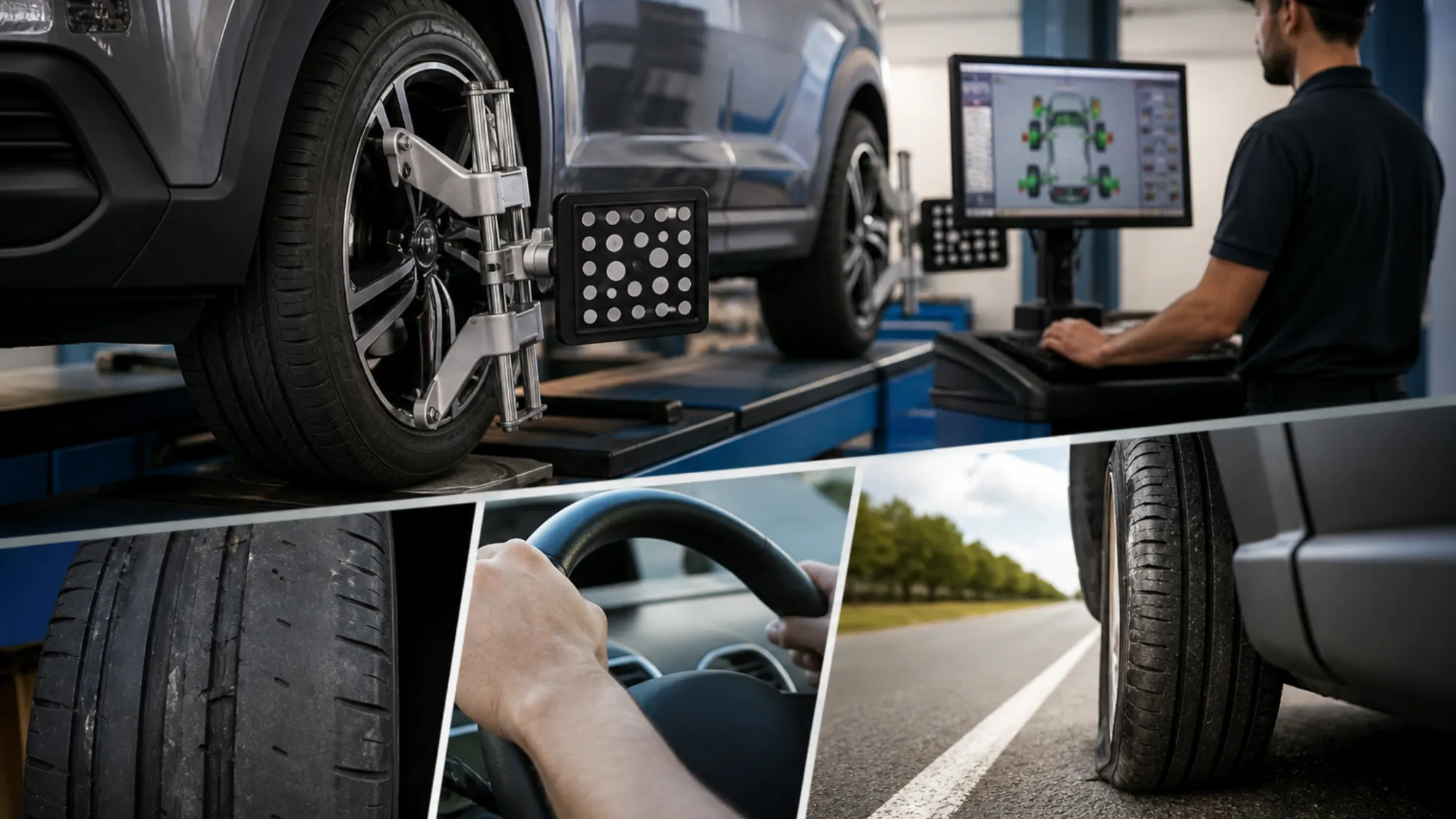
There’s a lot to think about when developing a long-term maintenance strategy for your vehicle. Changing the oil does not neglect the need for other vehicle maintenance. If you are trying to ensure the safety of your vehicle and everyone who comes into contact with your vehicle, ensure that you are maintaining and repairing the components of your vehicle that directly interact with the road, such as tire and brake repair.
If you have put off service for your vehicle, be sure to select a service option that best meets the needs of your vehicle.
























Sign in to leave a comment.