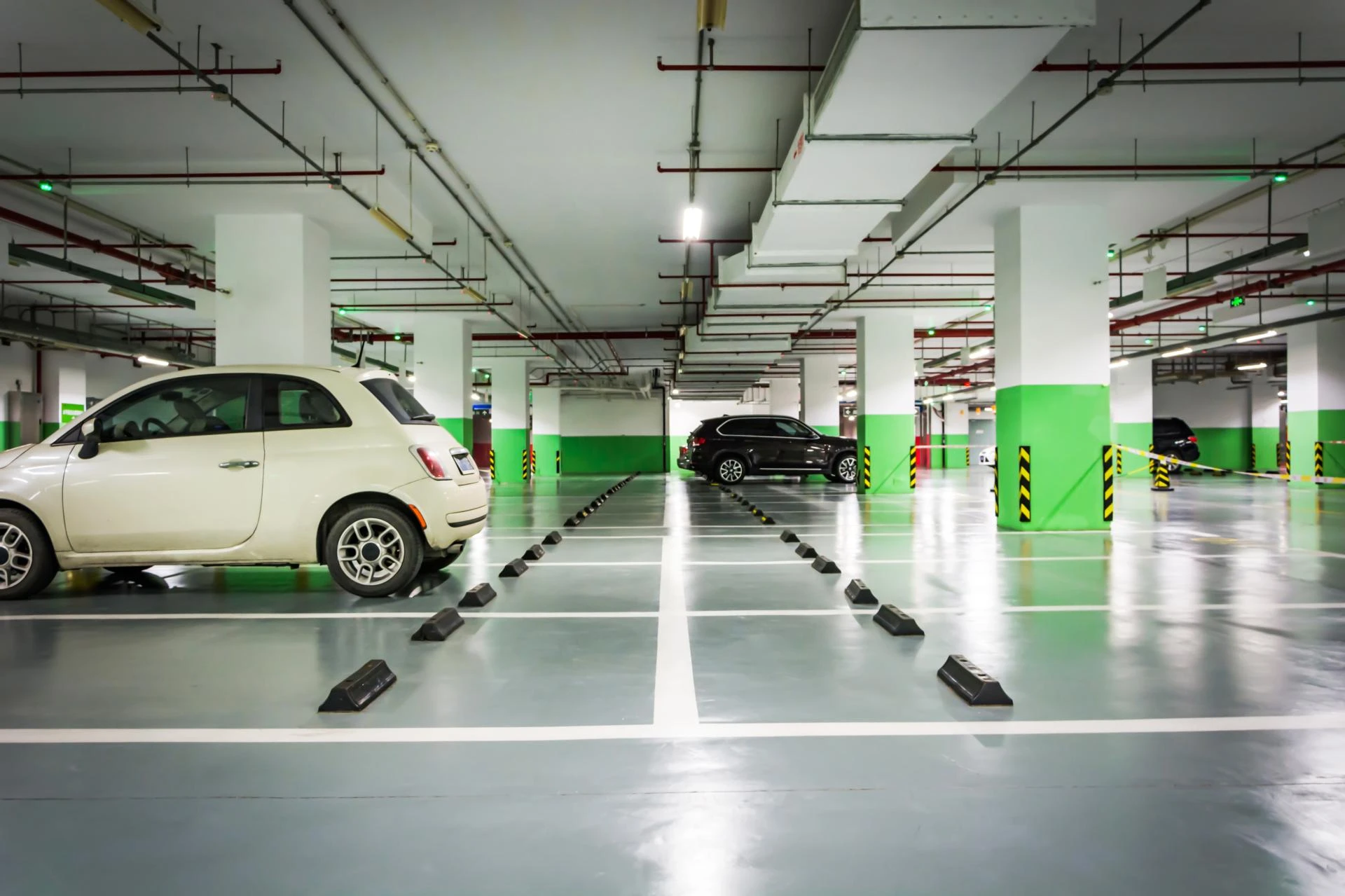

When you think about parking garages, the ventilation system isn’t the first thing that comes to mind. But it's a pretty big deal for safety and comfort. Enclosed car parks can trap exhaust fumes and harmful gases, which makes proper ventilation crucial. This article highlights how exhaust technology and car park ventilation fans play a key role in keeping these spaces breathable.
- Why Ventilation Matters in Car Parks
It’s easy to overlook, but the air quality of the parking structure can degrade quickly. Cars emit carbon monoxide, nitrogen oxides, and other pollutants that build up to dangerous levels in confined spaces. Without good airflow, people might feel uneasy, and in the worst cases, it could lead to health risks.
- The Role of Exhaust Technology
The core of car park ventilation revolves around exhaust systems designed to pull out polluted air and introduce fresh air. The technology varies, but car park ventilation fans are a key component.
These fans are placed strategically, near ceiling levels or within ducts, to remove contaminated air. The design and placement can differ depending on the structure's size and layout, and there’s no one-size-fits-all solution.
- Balancing Efficiency and Cost
It might seem straightforward to run big fans all the time, but that gets expensive and noisy. Cutting back too much risks poor air quality. This balancing act between energy use and ventilation effectiveness is where smart exhaust technology comes into play.
Modern systems use variable-speed fans, which can adjust airflow according to real-time needs. This means if a parking lot is empty, the fans slow down, saving power. When more vehicles arrive, ventilation ramps up accordingly.
- Selecting the Right Car Park Ventilation Fans
Choosing the right fans isn’t only about size or power rating. There are different types: axial fans, centrifugal fans, and mixed-flow fans, all with pros and cons depending on the space.
Axial fans tend to move large volumes of air at relatively low pressure, which is good for open or semi-open structures. Centrifugal fans handle higher pressure and are better suited for ducted systems where air needs to be pushed through tight spaces.
- Maintenance and Long-Term Performance
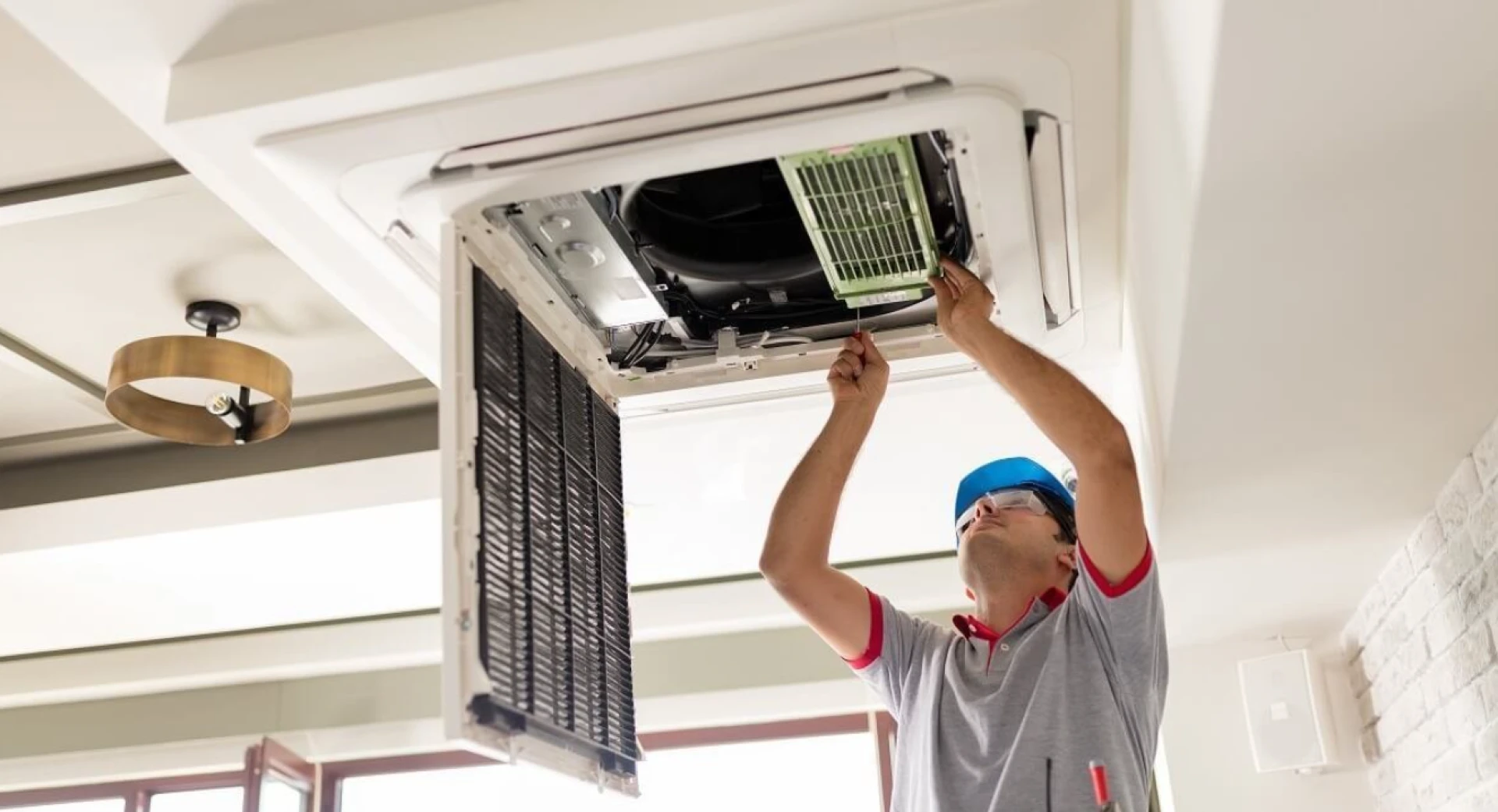
Fans and exhaust equipment can degrade over time, get clogged with dust, or suffer from wear and tear. If regular maintenance isn’t done, performance drops and air quality suffers.
Having a maintenance schedule in place is as crucial as the initial design. Sometimes even the best exhaust technology underperforms because it hasn’t been checked or cleaned regularly.
- The Human Factor
The goal is to create a space where people feel safe and comfortable. This can sometimes get lost in technical details. A well-ventilated car park can reduce complaints and improve the overall experience.
Sometimes, the fans generate noise or cause drafts that some users find annoying. Striking a balance between effective ventilation and minimising disruptions is tricky but not impossible.
- Conclusion
Car park ventilation fans are more than just mechanical devices; they’re key players in the health and safety of parking environments. Getting them right involves understanding the building’s layout, the kind of traffic it sees, and the best technology fit.
Of course, no system is perfect, and sometimes what works for one car park won’t work for another. But taking ventilation seriously, design, installation, and maintenance can make a big difference.





























Sign in to leave a comment.