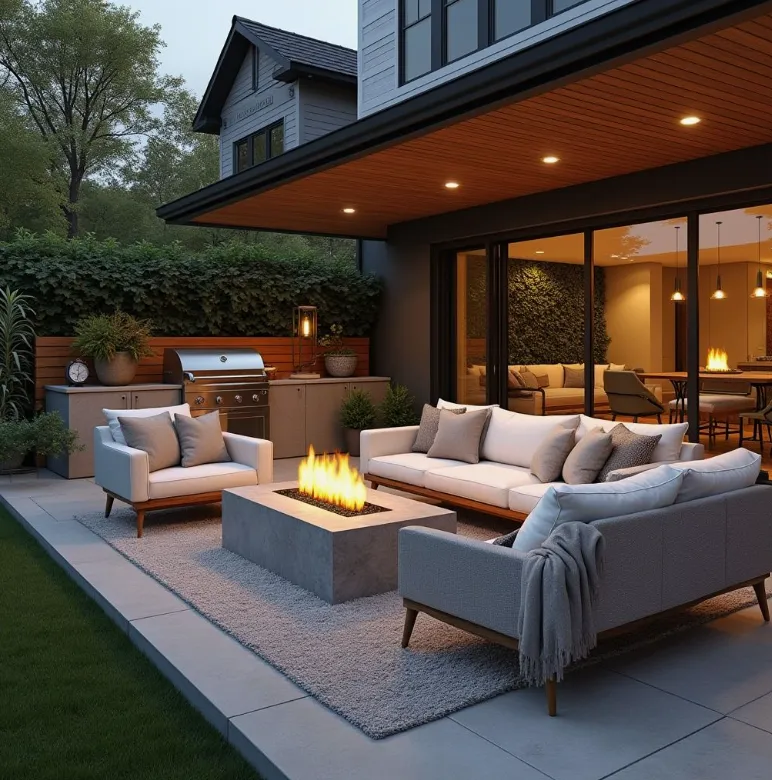

The backyard has changed a lot in the last 15 years. What used to be a patch of grass with a charcoal grill in the corner is now where families spend half their summer evenings, host friends, and even take work calls. A well-built outdoor living space adds usable square footage to the home, raises the property value, and gives the household a daily reason to step outside. Here are the outdoor living space ideas that consistently get the most use, year after year.
Screened Porches Lead the List
A screened porch is the workhorse of outdoor living, especially in the southeastern United States. Mosquitoes, no-see-ums, and humidity all get blocked while the breeze and the view come through. A screened porch with a ceiling fan and good lighting becomes the most-used room in the house from April through October.
Most screened porches run 12 by 16 feet to 16 by 24 feet. Anything smaller starts to feel cramped with furniture. Anything larger needs structural support that pushes the project into a different cost tier.
The Right Ceiling Material
Tongue-and-groove wood ceilings have taken over as the go-to material in screened porches. Cedar, cypress, or pine in a natural finish or painted in a soft color makes the porch feel like a real room instead of a covered patio. The wood absorbs sound, which keeps conversations from echoing, and it ages well over time.
Ceiling Fans Matter
A good ceiling fan with a damp or wet rating is one of the most important features in a screened porch. It moves air on still summer evenings, keeps mosquitoes from settling, and adds a tropical feel that pushes the porch from useful to inviting.
Decks Done Right
Decks remain one of the most popular outdoor builds for good reason. They extend the home outward, work for everything from grilling to lounging, and add resale value almost everywhere in the country.
The materials decision has changed a lot in the last decade. Pressure-treated lumber still has its place, but composite decking and tropical hardwoods now dominate the mid- to high-end market. Composite is the right call for homeowners who want a 25-year lifespan with almost no maintenance. Tropical hardwoods like ipe and cumaru last 40 to 50 years and look like furniture when freshly oiled.
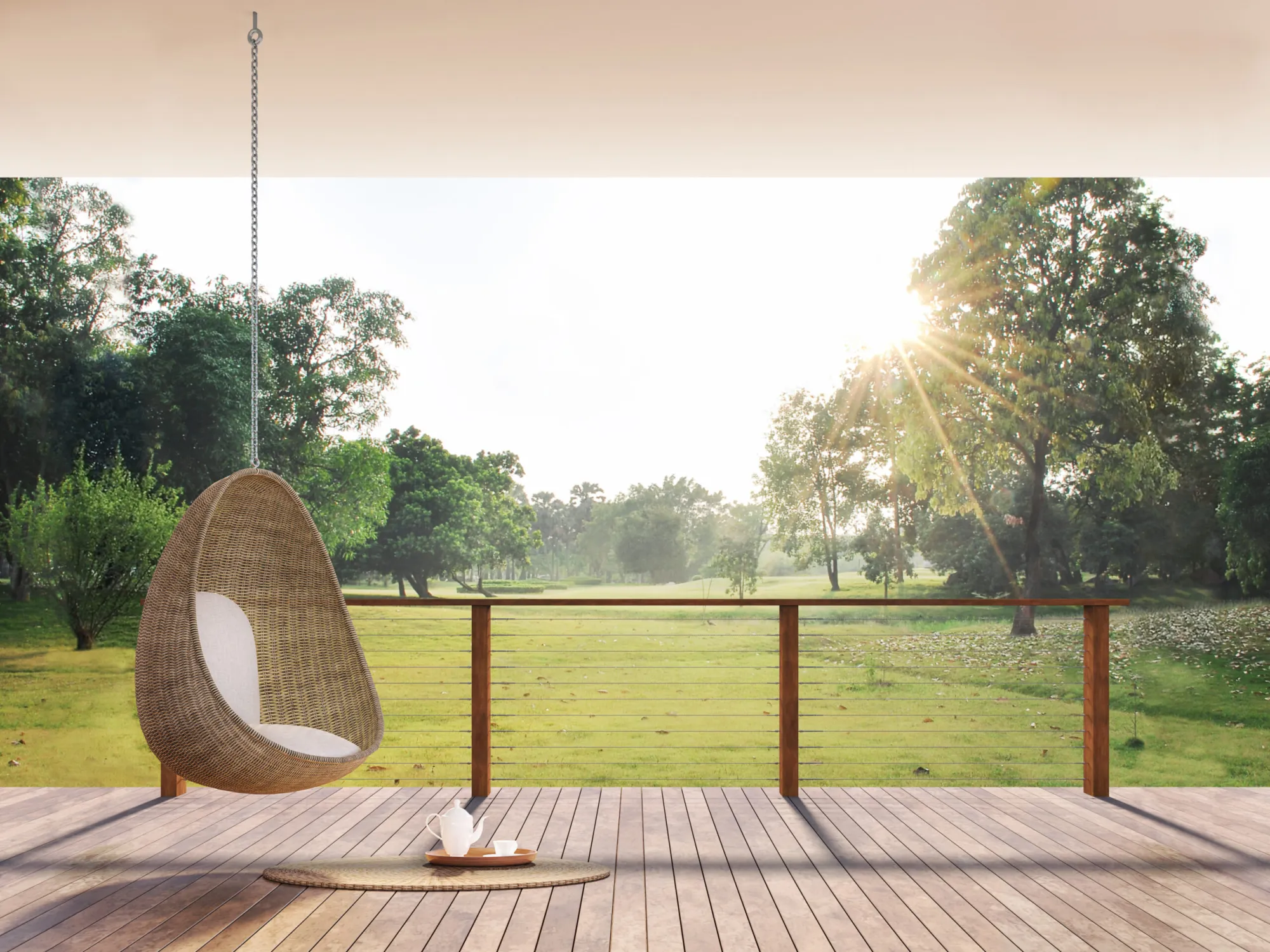
Cable Railing Opens the View
Traditional baluster railing blocks the view from a deck. Cable railing solves that problem with thin stainless steel cables tensioned between posts, leaving clear sightlines while still meeting code. Cable railing costs more than aluminum or wood, but on a deck with a view of trees, water, or open space, it is worth the upgrade.
Outdoor Kitchens
A backyard grill has graduated into a full outdoor kitchen in many remodels. Built-in gas grills, side burners, sinks, refrigerators, and counter space turn the deck or patio into a second kitchen. The trend started in warmer climates but has spread north as families realize they use the space year-round.
The right outdoor kitchen depends on how the family entertains. A simple setup is a built-in grill with 6 feet of counter on either side. A high-end setup adds a pizza oven, a kegerator, an ice maker, and a covered prep zone with overhead lighting.
Coverage Matters
An outdoor kitchen without overhead cover gets less use than one with a pergola, pavilion, or roof above it. Even partial cover keeps the cook out of direct sun and lets the kitchen be used in light rain, which doubles the number of days it gets used per year.
Fire Features
Outdoor fire features pull people outside even when the temperature drops. A built-in gas fire pit, a wood-burning fireplace on a covered patio, or a chiminea on a small deck all serve the same purpose, they give the outdoor space a reason to exist in October and March, not just July.
Gas fire pits with a remote starter are the most popular setup now. They light at the push of a button, run on natural gas or propane, and produce no smoke. Wood-burning is more atmospheric but requires more work, a chimney for covered installations, and fuel storage nearby.
Pergolas & Pavilions
A pergola is a roof structure without a solid covering, usually with cross beams that let in some sun while blocking the harshest overhead rays. It defines a space, provides partial shade, and gives climbing plants a structure to grow on.
A pavilion is a full-roof structure that fully covers the space below it. Pavilions are the right call when the goal is year-round outdoor use, since they keep rain off the furniture and protect the deck or patio surface from weathering.
For homeowners in coastal North Carolina where afternoon storms are part of the summer routine, a covered outdoor space is almost a requirement. Contractors like D E Mitchell Construction out of New Bern build screened porches, decks, and covered outdoor living spaces designed for the humidity, wind, and rain that come with living near the coast.
Outdoor Lighting
Lighting separates a well-designed outdoor space from a basic one. The right setup uses three layers, similar to indoor design. Path lighting along walkways for safety. Ambient lighting overhead from string lights, sconces, or recessed cans in a covered ceiling. Accent lighting on trees, water features, or architectural details.
LED string lights are the easiest way to bring the warmth of an indoor room to the outdoor space. They are inexpensive, easy to install, and create the kind of atmosphere that makes guests linger.
Smart Controls
Outdoor lighting connected to a smart system or a programmable timer is now standard in higher-end builds. The lights come on at dusk, dim at a set time, and shut off late at night without anyone touching a switch.
Wood Beam & Ceiling Details
The same upgrades that make a great indoor room also make a great outdoor room. Exposed wood beams on a porch ceiling. A coffered wood ceiling under a pavilion. Tongue-and-groove wood paneling on the underside of a deck roof. These details cost a fraction of what they would cost indoors, and they pull the outdoor space into the same level of finish as the rest of the home.
What Adds Value, What Adds Enjoyment
Not every outdoor living space idea returns at resale. Pools cost the most and return the least in most markets. Built-in outdoor kitchens return about 55 to 65 percent. Screened porches and decks return 65 to 75 percent.
But the better question is not just what adds value, it is what adds enjoyment. A screened porch that gets used five evenings a week is worth far more in daily life than a pool that gets used twice a summer. Build for use, and the value usually follows.
Final Thought
The outdoor living space ideas that get used the most are the ones that match the climate, the family, and the way the household actually spends its time. A screened porch in the South, a fire pit in the mountains, a pergola over a Texas patio, all of these earn their keep year after year. Pick the ones that fit how your household lives, build them right, and the backyard becomes the favorite room in the house.



























Sign in to leave a comment.