

Spring cleaning is usually framed as a chore. The windows need washing, the closets need sorting, the grime that built up over winter needs to come out. What gets missed is that the work itself does something for the person doing it. Cleaning a space changes how you feel in it, and the change is bigger than most people give it credit for. Researchers have been looking at this for years, and the link between physical space and mental state is real, measurable, and surprisingly direct.
Here's what cleaning actually does for your mind and why spring is a natural time to use it.
The Clutter-Anxiety Connection
Studies on the relationship between clutter and stress have been pretty consistent. People living in cluttered spaces show higher cortisol levels, more reported feelings of anxiety, and lower satisfaction with their homes. The effect is stronger for women, who research suggests are often more attuned to the state of their living environment, but it affects everyone.
The reason isn't just visual unpleasantness. Clutter creates a low-grade cognitive load. Every visible item is something your brain has to process, even briefly, every time you see it. A pile of unopened mail isn't just paper; it's a pile of decisions you haven't made. A messy desk isn't just disorganized; it's a backlog of tasks reminding you they're not done.
Multiply that across every room in a cluttered home, and the constant background noise wears people down. Removing the clutter removes the noise.
The Dopamine Hit of Cleaning
The act of cleaning itself releases dopamine, the neurotransmitter linked to motivation and reward. Each task completed, no matter how small, gives the brain a tiny win. Wiping down a counter, folding a load of laundry, throwing out expired food from the fridge: each of these creates a measurable mood boost.
Cleaning is also one of the few activities where progress is immediate and visible. Most of life's work happens on long timelines: career growth, fitness goals, learning skills, raising kids. The results take months or years to see. Cleaning a room takes thirty minutes and the difference is right there in front of you. That kind of fast feedback loop is rare and emotionally satisfying.
For people dealing with low mood, stuck feelings, or general fog, a short cleaning session often breaks the pattern. The body moves, the brain gets a small reward, the space changes. None of that solves bigger problems, but it loosens the grip enough to get going on something else.
Decision Fatigue & Visual Noise
Decision fatigue is the mental tiredness that comes from making too many small choices throughout a day. Each decision uses cognitive resources, and the well runs dry faster than people realize.
A cluttered space makes you make decisions constantly. Where should I put this? Where did I leave my keys? Is this trash or do I need it? Do I have a clean shirt? These tiny choices add up. By the end of a day spent in a cluttered space, your brain has used a meaningful chunk of its energy on logistics rather than on actual work or rest.
A clean, organized space removes most of those decisions. Everything has a place. The visual field is calmer. The brain gets to rest in a way it can't when the environment is busy.
The Body of the Work
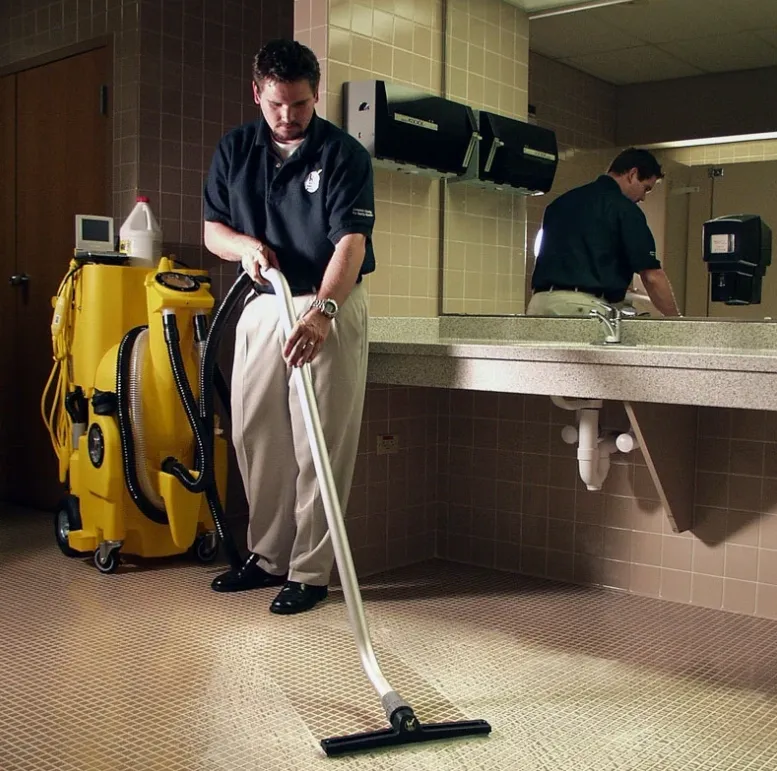
Cleaning is light to moderate physical activity. Vacuuming for thirty minutes burns around 100 calories. Mopping, scrubbing, and lifting boxes adds up over a full cleaning session. For people who don't get a lot of intentional exercise, a spring cleaning for mental health weekend can deliver the equivalent of a few solid workouts.
Physical activity has well-documented benefits for mood, sleep, and anxiety. The endorphin release from steady physical work is real, even when the work is folding laundry instead of running on a treadmill. The body wants to move; cleaning gives it a reason without requiring the planning and gym bag of a formal workout.
The combination of physical movement, dopamine from task completion, and the visible result is what makes cleaning feel so good when you're in it. The bad mood you started with often fades a third of the way through.
The Fresh Start Feeling
Spring is psychologically tied to renewal. Days get longer, plants come back, the weather changes. Humans respond to seasonal cues whether they realize it or not. Spring cleaning works with that biology by pairing the seasonal shift with a physical reset of the living space.
The result is a feeling of starting fresh. A clean home in spring feels different from a clean home in November. The light hits the windows differently. The air feels different. The change supports the broader sense that something is opening up after months of being closed in.
For people who struggle with seasonal mood shifts, especially after long winters, spring cleaning becomes a tool. The activity itself helps mood. The result of the activity supports it further. The two work together.
Where to Start When You're Overwhelmed
The biggest barrier to cleaning is the size of the task. A house that hasn't been deep cleaned in a year feels impossible to face. The trick is to break it down small.
Pick one room. Or one corner of one room. Set a timer for fifteen minutes. Work until the timer goes off, then stop. The point isn't to finish everything; it's to do something. The momentum from that first small win usually carries into a longer session, but even if it doesn't, fifteen minutes of work is better than zero.
Another approach is to handle one category at a time. Tackle all the laundry. Then all the dishes. Then all the trash. Working by category instead of by room often feels less overwhelming because the brain doesn't have to switch contexts as often.
The smallest unit of cleaning is making the bed. It takes two minutes and resets the visual feel of the bedroom. Plenty of people in recovery, therapy, or just trying to function on a hard day start there because it's small enough to do and big enough to feel different.
When Cleaning Isn't Enough
It's worth saying out loud: cleaning helps mood and reduces some kinds of stress, but it's not therapy. Persistent low mood, anxiety, or feelings of being stuck deserve support beyond what a tidy living room can provide. Talking to a doctor, a therapist, or a trusted friend is the right move when something deeper is going on.
For people whose homes have gotten away from them and the climb back feels too big, hiring a cleaning service is sometimes the bridge. A one-time deep clean by a professional crew resets the space and makes maintenance possible again. In areas like Concord, NC, companies like Legacy Shines Services offer one-time deep cleans for exactly this situation, taking the overwhelming first pass off your plate so you can hold the line yourself going forward.
The Bigger Picture
Spring cleaning isn't really about the windows or the closets. It's about the quiet relief of being in a space that supports you instead of weighing on you. The cleaning is the means; the mental shift is the result.
A few weekends of intentional work in spring set up months of better mood, better sleep, and a clearer head. For the time it takes, the return is hard to match.




























Sign in to leave a comment.