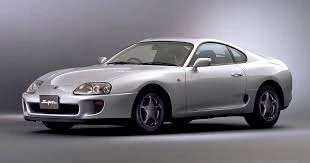

When it comes to legendary sports cars that have made a lasting impact on car culture, few vehicles stand out as prominently as the Toyota Supra. Revered by enthusiasts worldwide, the Supra has been a symbol of performance, innovation, and tuning potential for decades. Whether you're a die-hard car fan, a street racer, or just someone curious about automotive history, the story of the Toyota Supra for Sale is an exciting ride. In this blog, we'll dive deep into the Supra’s origins, evolution through its generations, technical innovations, cultural significance, and why it continues to captivate drivers today.
Origins: The Birth of the Supra
The Toyota Supra’s story begins in the late 1970s as an evolution of the Toyota Celica. The Supra was originally introduced in 1978 as the Celica Supra, positioned as a more powerful, larger, and sportier variant of the Celica coupe. Toyota wanted to offer a car that could compete with the likes of the Nissan Z cars and Mazda RX-7, which were already gaining popularity in the sports car market.
The first-generation Supra (known as the A40 and A50) was essentially a stretched Celica with a bigger engine bay and more powerful inline-six engine options, like the 2.6L 4M-E. While it was sporty, it was still somewhat conventional, setting the stage for more aggressive performance models down the line.
Generations of the Supra: Evolution of a Legend
Mark I (1978-1981): The Celica Supra
The Mark I Supra shared many components with the Celica but was distinct due to its larger dimensions and inline-six engines. It was Toyota’s initial attempt to enter the sports car market with something unique. The styling was fairly straightforward, but it hinted at the potential beneath the hood.
- Engine: 2.0L I6 (Japan), 2.6L I6 (International)
- Power: Approximately 110-145 hp
- Key feature: First Toyota to offer a 5-speed manual transmission
Despite its modest power, the Supra quickly gained a reputation for reliability and tuning potential.
Mark II (1982-1986): Establishing Identity
The Mark II Supra took a leap forward with improved styling, technology, and performance. The car moved away from the Celica moniker and was marketed simply as the Toyota Supra, marking the start of its independent identity.
- Engine: 2.8L inline-six (5M-GE, 5M-GTE turbocharged variant)
- Power: Up to 230 hp in turbo versions
- Transmission: 5-speed manual or 4-speed automatic
This generation introduced more modern technology like electronic fuel injection and turbocharging, making it a more formidable contender in the sports car market.
Mark III (1986-1993): A Technological Leap
The Mark III Supra is often seen as the Supra’s first true modern sports car, blending performance with luxury and advanced technology. This generation was larger and heavier but compensated with powerful engines and a more refined driving experience.
- Engine: 3.0L inline-six naturally aspirated (7M-GE) and turbocharged (7M-GTE)
- Power: Up to 232 hp (turbo)
- Notable features: Introduction of ABS brakes, traction control, and a digital dashboard
The turbocharged 7M-GTE was especially celebrated for its smooth power delivery and tuning capabilities. The Mark III was a favorite for tuners and racers looking to squeeze more power out of a reliable platform.
Mark IV (1993-2002): The Supra Icon
The Mark IV Supra is arguably the most iconic and beloved iteration of the Toyota Supra. It’s this generation that solidified the Supra’s legendary status in the automotive world. Featuring the world-renowned 2JZ-GTE engine, the Mark IV combined brutal performance with a sleek, timeless design.
- Engine: 3.0L inline-six 2JZ-GE (naturally aspirated) and 2JZ-GTE (twin-turbocharged)
- Power: Stock output around 276 hp (due to Japanese regulations), but capable of much more with tuning
- Transmission: 6-speed manual (Getrag), 4-speed automatic
The 2JZ-GTE engine became legendary for its robust iron block and ability to handle extreme power upgrades, making it the favorite among tuners worldwide. The Mark IV’s appearance in the “Fast & Furious” movies helped cement its status as a cultural icon.
Mark V (2019-Present): Revival and Modernity
After a long hiatus, Toyota revived the Supra nameplate in 2019 with the fifth generation (A90), developed in partnership with BMW. This modern Supra shares a platform and engine with the BMW Z4 but carries Toyota’s unique tuning and design philosophy.
- Engine: 3.0L turbocharged inline-six (B58 engine from BMW)
- Power: Around 382 hp
- Transmission: 8-speed automatic
The new Supra brings modern technology, improved handling, and a refined driving experience while honoring its heritage with retro-inspired styling cues. It also embraces the digital age with advanced infotainment and safety features.
The Engineering Marvel: Why the Supra Stands Out
The 2JZ Engine — A Tuning Legend
No discussion of the Supra is complete without highlighting the 2JZ engine. The 2JZ-GTE is one of the most robust and tunable engines ever made. Featuring a cast-iron block, forged internals, and a strong bottom end, the 2JZ can reliably handle upwards of 1,000 horsepower with relatively simple modifications. This incredible durability is why the Supra remains a favorite in drag racing, drifting, and tuning communities worldwide.
Handling and Chassis Dynamics
The Supra has always been praised for its balanced handling. The Mark IV, in particular, benefited from a well-tuned suspension setup, limited-slip differential, and rear-wheel drive layout that made it agile on both streets and tracks. Toyota engineers focused on reducing understeer and ensuring a predictable, communicative driving experience, essential for performance driving enthusiasts.
Design: A Blend of Form and Function
The Supra’s design philosophy combines aerodynamic efficiency with aggressive styling. The Mark IV’s long hood, sleek curves, and signature pop-up headlights (in early models) created a timeless silhouette. The new Supra carries forward this design DNA with sharp lines, muscular fenders, and a low-slung stance that screams performance.
Supra in Pop Culture: Beyond Just a Car
The Toyota Supra transcends the automotive world thanks to its prominent role in popular culture. The car gained global fame with the release of the “Fast & Furious” film franchise, where the Mark IV Supra driven by Paul Walker’s character became an instant legend. The film showcased the Supra’s tuning potential, speed, and style, introducing the car to a whole new generation of fans.
Besides movies, the Supra has been a staple in video games, car meets, and automotive magazines, further embedding itself as an icon of speed, style, and customization.
Tuning and Modifications: The Supra Playground
For car enthusiasts, the Supra is a blank canvas with unlimited potential. The aftermarket support is immense, offering everything from performance exhausts, turbo upgrades, engine management systems, suspension kits, and widebody kits to create a truly unique machine.
The 2JZ engine’s strength means tuners can start with stock power and gradually push it to insane levels — with some builds surpassing 1,000 horsepower on stock engines. This makes the Supra not only a street-legal supercar but also a dominant force on drag strips and race circuits worldwide.
Buying a Supra Today: What You Need to Know
If you’re considering owning a Supra, whether classic or modern, here are some points to keep in mind:
- Classic Supra (Mark IV): These are collector’s cars now, often appreciating in value. They require careful inspection for modifications, maintenance history, and potential rust.
- Modern Supra (Mark V): Offers modern reliability, warranty, and safety features but lacks some of the raw, analog feel of earlier models.
- Parts and Maintenance: While parts for newer Supras are easier to find, classic Supra parts might be more expensive but remain available through specialty shops.
- Community: The Supra community is welcoming and passionate, offering lots of resources, clubs, and events to help new owners enjoy their car fully.
Conclusion: The Supra Legacy Continues
The Toyota Supra isn’t just a car; it’s a symbol of automotive passion, innovation, and cultural significance. From its humble beginnings as a Celica variant to becoming a global tuning and racing icon, the Supra’s journey is nothing short of extraordinary.
Whether you love the classic Mark IV for its legendary 2JZ engine and timeless design or appreciate the modern Mark V for its blend of heritage and contemporary technology, the Supra offers something special to every car enthusiast. It’s a testament to Toyota’s commitment to performance and has earned its place in the pantheon of all-time great sports cars.























Sign in to leave a comment.