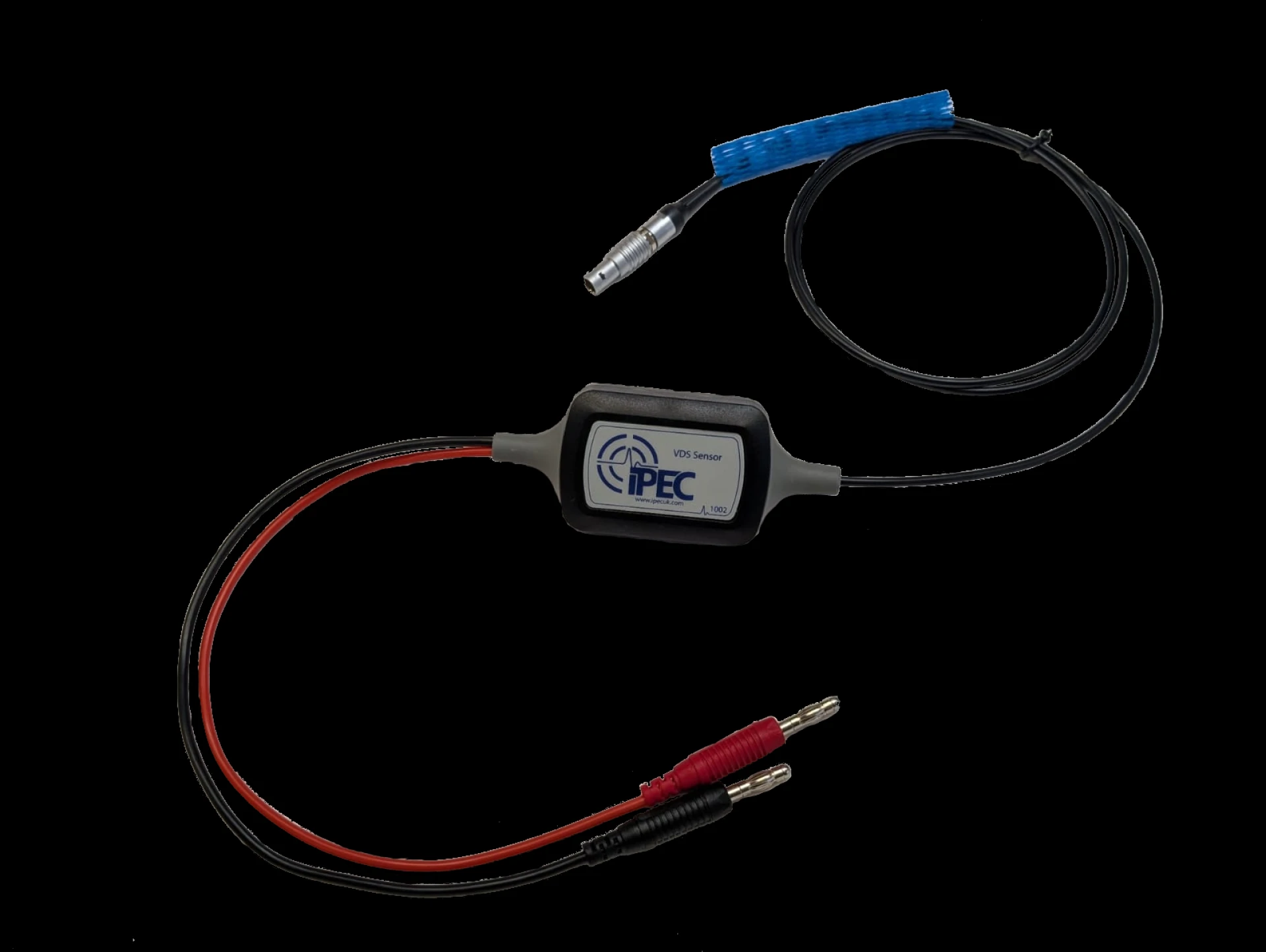

Electrical insulation failure is one of the leading causes of unplanned outages in high-voltage equipment. Partial Discharge (PD) testing is a powerful condition monitoring technique that helps identify insulation defects at an early stage—long before they develop into catastrophic failures. This makes PD testing a critical component of predictive and preventive maintenance strategies in power systems.
What Is Partial Discharge?
Partial discharge is a localized electrical discharge that occurs when the electric field strength exceeds the insulation’s breakdown limit in a small area, without completely bridging the insulation between conductors. These discharges usually happen in:
- Voids or air pockets within solid insulation
- Cracks or delamination in insulation materials
- Surface contamination or moisture
- Sharp edges or defects in conductors
Although each discharge releases only a small amount of energy, repeated PD activity gradually degrades insulation, eventually leading to full insulation failure.
Why Partial Discharge Testing Is Important
Partial discharge testing provides early warnings of insulation deterioration, allowing maintenance teams to act before major damage occurs. The key benefits include:
- Early fault detection before equipment failure
- Reduced unplanned downtime and outages
- Extended equipment life
- Improved safety by preventing flashovers and explosions
- Optimised maintenance planning based on actual condition
For critical assets such as transformers, switchgear, cables, and generators, PD testing plays a vital role in reliability-centred maintenance.
Types of Partial Discharge
Understanding the type of partial discharge helps in identifying the root cause of insulation problems:
1. Internal Partial Discharge
Occurs within voids or defects inside solid or liquid insulation, commonly seen in transformers and cables.
2. Surface Partial Discharge
Develops along the surface of insulation due to contamination, moisture, or ageing.
3. Corona Discharge
Appears in non-uniform electric fields around sharp points or edges, typically in air-insulated systems.
Partial Discharge Testing Methods
Several PD testing techniques are used depending on equipment type, voltage level, and site conditions.
Online Partial Discharge Testing
- Performed while equipment is in normal operation
- No shutdown required
- Ideal for continuous condition monitoring
- Common methods include UHF, acoustic emission, and TEV (Transient Earth Voltage) measurements
Offline Partial Discharge Testing
- Conducted when equipment is de-energised
- Provides highly accurate and controlled measurements
- Typically used during commissioning or major maintenance
- Includes IEC 60270 compliant electrical PD testing
Equipment Commonly Tested Using PD Testing
Partial discharge testing is widely used across various electrical assets, including:
- Power and distribution transformers
- High-voltage and medium-voltage switchgear
- Power cables and cable joints
- Motors and generators
- GIS (Gas Insulated Switchgear) systems
Interpreting Partial Discharge Results
PD results are analysed based on parameters such as:
- PD magnitude (pC)
- Pulse count and repetition rate
- Phase-resolved PD patterns (PRPD)
- Trend analysis over time
A rising PD trend often indicates progressive insulation deterioration, prompting corrective action before failure occurs.
Standards for Partial Discharge Testing
International standards ensure reliable and consistent PD measurements:
- IEC 60270 – High-voltage partial discharge measurements
- IEC 62478 – PD measurement in service (online methods)
- IEEE 400 – Cable testing standards
Adhering to these standards ensures accuracy and repeatability in PD testing programs.
Partial Discharge Testing as Part of Condition Monitoring
When combined with other condition monitoring techniques such as infrared thermography, vibration analysis, and insulation resistance testing, partial discharge testing provides a comprehensive picture of asset health. This integrated approach supports data-driven maintenance decisions and improves overall system reliability.
Conclusion
Partial discharge testing is an essential diagnostic tool for detecting early insulation defects in electrical equipment. By identifying PD activity at an early stage, organisations can prevent costly failures, enhance safety, and extend the operational life of critical assets. Implementing regular PD testing as part of a condition monitoring strategy is a smart investment in long-term reliability and operational efficiency.


























Sign in to leave a comment.