

Electrical systems are the backbone of modern industrial operations, powering machinery, infrastructure, and critical processes. Over time, insulation materials protecting electrical conductors can degrade due to environmental conditions, aging, contamination, or mechanical stress. Insulation Resistance (IR) Testing plays a vital role in ensuring electrical safety, reliability, and operational efficiency by evaluating the condition of insulation systems.
This article explains insulation resistance testing, its importance, testing procedures, applications, and key benefits for industries.
What is Insulation Resistance Testing?
Insulation Resistance Testing is a preventive maintenance and diagnostic method used to measure the resistance offered by electrical insulation to the flow of leakage current. The test determines how effectively insulation prevents current from escaping conductors to ground or adjacent components.
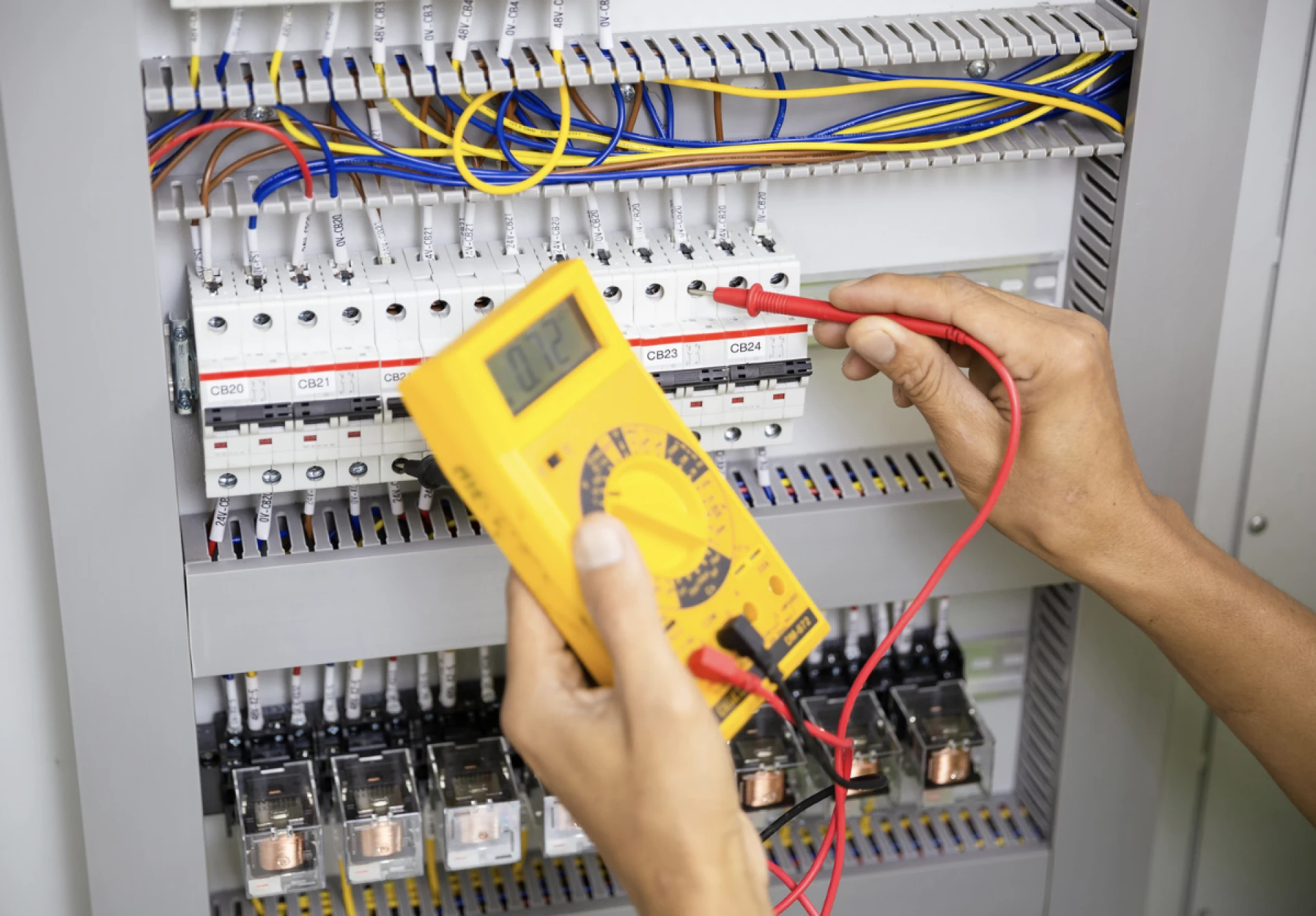
It is typically performed using a specialized instrument called a Megohmmeter (Megger), which applies a controlled DC voltage and measures resistance in megaohms (MΩ) or gigaohms (GΩ).
Higher resistance values indicate healthy insulation, while lower readings may signal deterioration, moisture ingress, contamination, or insulation failure.
Why is Insulation Resistance Testing Important?
Electrical insulation naturally deteriorates over time. Without proper monitoring, insulation failure can lead to equipment damage, unexpected downtime, or serious safety hazards.
Key reasons for performing IR testing include:
- Prevent electrical failures and short circuits
- Enhance personnel safety
- Reduce unplanned equipment downtime
- Detect insulation degradation early
- Ensure compliance with safety standards
- Extend equipment lifespan
Regular testing helps maintenance teams identify issues before they escalate into costly failures.
How Insulation Resistance Testing Works
During testing, a DC voltage is applied between conductors and ground or between conductors themselves. The instrument measures leakage current flowing through insulation and calculates resistance using Ohm’s Law.
Basic Testing Principle:
- Apply DC voltage
- Measure leakage current
- Calculate insulation resistance value
A stable, high resistance value indicates good insulation integrity.
Insulation Resistance Testing Procedure
Although procedures vary depending on equipment type, the general steps include:
1. Preparation
- Disconnect equipment from power supply
- Ensure complete isolation and lockout/tagout procedures
- Discharge stored electrical energy
2. Equipment Connection
- Connect megger leads between conductor and earth or between phases.
3. Apply Test Voltage
Typical test voltages include:
- 250 V – Control circuits
- 500 V – Low-voltage equipment
- 1000 V – Motors and cables
- 5 kV or higher – High-voltage systems
4. Measurement
- Apply voltage for a specified duration (usually 1 minute).
- Record resistance readings.
5. Interpretation
- Compare results with standards, historical data, or manufacturer recommendations.
Types of Insulation Resistance Tests
1. Spot Reading Test
Provides a quick insulation resistance value at a specific time.
2. Time Resistance Test (Polarization Index – PI)
Measures resistance over time to evaluate insulation condition and moisture presence.
3. Dielectric Absorption Ratio (DAR)
Assesses insulation quality by comparing resistance at different time intervals.
4. Step Voltage Test
Applies increasing voltage levels to detect insulation weaknesses.
Applications of Insulation Resistance Testing
IR testing is widely used across industries, including:
- Electric motors and generators
- Power cables and switchgear
- Transformers
- Distribution panels
- Marine electrical systems
- Oil & gas facilities
- Manufacturing plants
- Renewable energy installations
Routine testing ensures operational reliability in both industrial and commercial environments.
Factors Affecting Insulation Resistance Values
Several conditions influence test results:
- Temperature variations
- Humidity and moisture
- Dirt and contamination
- Aging insulation materials
- Mechanical damage
- Chemical exposure
Proper correction factors and experienced interpretation are essential for accurate analysis.
Benefits of Regular Insulation Resistance Testing
Implementing periodic IR testing offers significant advantages:
✅ Early fault detection
✅ Reduced maintenance costs
✅ Improved equipment reliability
✅ Enhanced workplace safety
✅ Compliance with international electrical standards
✅ Increased operational uptime
Preventive testing minimizes risks and supports condition-based maintenance strategies.
Industry Standards and Guidelines
Insulation resistance testing is conducted according to internationally recognized standards such as:
- IEC 60034
- IEEE 43
- NFPA 70B
- BS 7671
- ISO maintenance practices
Following standards ensures consistent testing and reliable evaluation.
When Should Insulation Resistance Testing Be Performed?
Testing is recommended:
- During equipment commissioning
- As part of preventive maintenance programs
- After installation or repair
- Following exposure to moisture or contamination
- Before energizing idle equipment
- During periodic shutdown inspections
Conclusion
Insulation Resistance Testing is a critical diagnostic tool for maintaining electrical system health and ensuring operational safety. By identifying insulation degradation at an early stage, industries can prevent unexpected failures, improve equipment performance, and reduce maintenance costs.
Regular IR testing, combined with expert analysis, forms a key component of modern predictive maintenance and reliability programs.
















Sign in to leave a comment.