
Introduction
Cloud computing has become an integral part of modern business operations, offering scalable storage, computing power, and collaborative tools. While these benefits are substantial, the security of cloud environments remains a critical concern. Traditional password-based authentication methods have proven to be vulnerable to cyber threats, prompting organizations to explore alternative approaches. One of the most significant advancements in identity security is passwordless authentication.
Passwordless authentication eliminates the reliance on passwords, using modern methods such as biometrics, security keys, or device-based authentication tokens. By removing passwords from the authentication equation, organizations reduce exposure to credential theft, phishing, and other common attack vectors, all while improving user convenience and efficiency. This shift also strengthens overall passwordless authentication security, ensuring a more resilient defense against evolving cyber threats.
Understanding Passwordless Authentication
Passwordless authentication is a method of verifying a user's identity without requiring a traditional password. Instead, authentication relies on alternative factors such as:
- Something you have: A device, hardware security key, or mobile application.
- Something you are: Biometric data like fingerprints, facial recognition, or retina scans.
This method often leverages cryptographic protocols, particularly public-key cryptography, to securely verify users without transmitting sensitive credentials over the network. The result is an authentication process that is both secure and user-friendly.
Unlike traditional passwords that can be forgotten, stolen, or reused across platforms, passwordless methods focus on unique, device-bound credentials that are significantly harder for attackers to compromise.
The Importance of Passwordless Authentication in Cloud Environments
Reducing Security Risks
Passwords remain one of the weakest points in digital security. Cybercriminals commonly exploit weak or stolen credentials to gain unauthorized access. Phishing attacks, credential stuffing, and brute-force attacks have all contributed to large-scale data breaches.
Passwordless authentication reduces these risks by replacing static passwords with more secure and dynamic methods. Public-key cryptography ensures that authentication data remains unique to each user and device, eliminating the need to transmit passwords over the network. This approach significantly limits the attack surface for cloud-based services.
Improving User Experience
Managing complex passwords is cumbersome for users. Many resort to unsafe practices, such as reusing passwords across multiple accounts or storing them insecurely. These behaviors increase the likelihood of security breaches.
Passwordless authentication simplifies the login process, allowing users to access cloud services through biometric verification, security tokens, or push notifications. Users no longer need to remember complicated passwords, reducing frustration and the potential for errors.
Meeting Regulatory Requirements
Organizations often face regulatory requirements related to data protection and identity management. Passwordless authentication can support compliance by implementing stronger authentication standards. Many cloud security frameworks now recommend multi-factor or passwordless authentication as a way to strengthen access control and protect sensitive data.
Methods of Passwordless Authentication
Organizations have several options when implementing passwordless authentication in cloud environments. Each method comes with its own strengths and considerations:
Biometric Authentication
Biometric authentication relies on physical characteristics, such as fingerprints, facial recognition, or iris scans. These attributes are inherently unique to each individual, making it extremely difficult for attackers to impersonate users. Biometric systems are typically fast, user-friendly, and require minimal effort to operate.
However, organizations must ensure that biometric data is securely stored and transmitted. Breaches involving biometric information are particularly sensitive because, unlike passwords, this data cannot be changed if compromised.
Security Keys
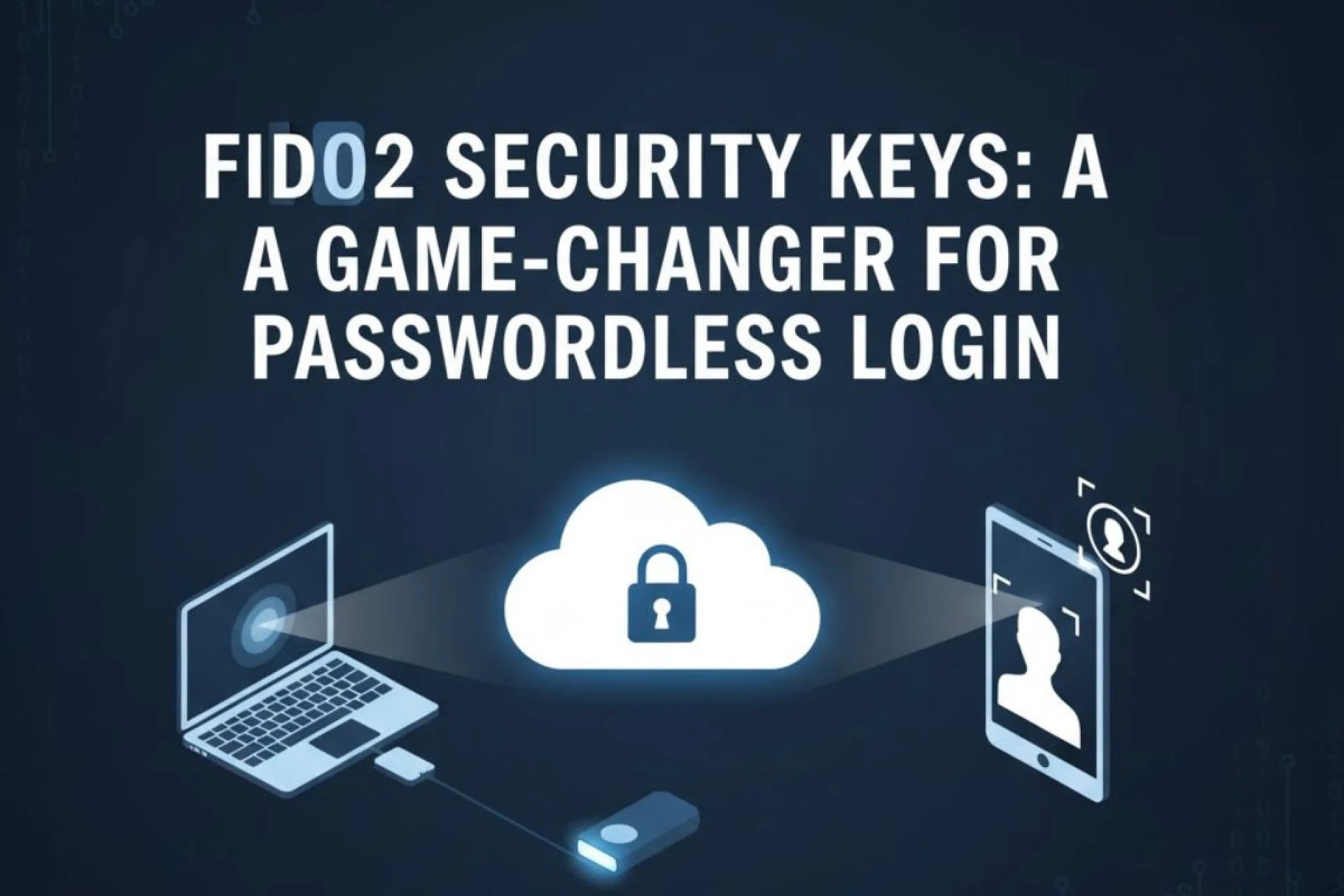
Security keys are physical devices that authenticate users through secure cryptographic protocols. When a user attempts to access a cloud environment, the key generates a unique cryptographic signature to verify identity.
Security keys are highly resistant to phishing and credential theft, making them a popular choice for enterprises that prioritize strong security. They can be integrated into existing identity management systems, providing consistent protection across multiple platforms.
Authenticator Applications
Authenticator applications installed on mobile devices generate time-based one-time passwords (TOTPs) or push notifications to verify user identity. These applications act as a second layer of authentication, providing added security without the need for traditional passwords.
Authenticator apps are widely accessible and easy to deploy, making them suitable for both individual users and organizations seeking a cost-effective passwordless solution.
Passkeys
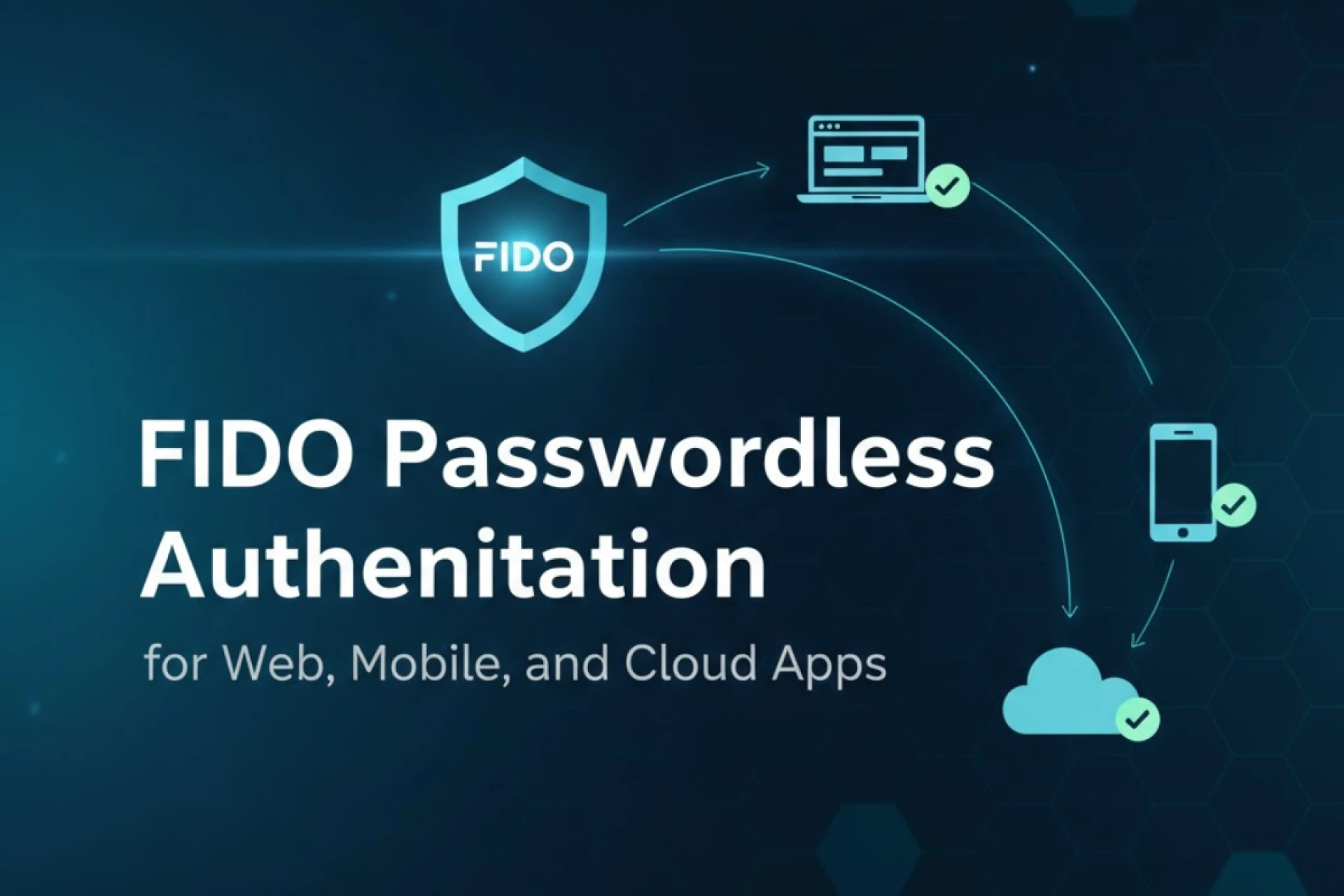
Passkeys are emerging as a standardized method for passwordless authentication. They rely on public-key cryptography to establish secure, device-bound credentials. Passkeys are stored locally on devices and cannot be reused on other accounts, reducing the risk of credential sharing or theft.
Implementing Passwordless Authentication in Cloud Environments
Assessing Requirements
Before adopting passwordless authentication, organizations should evaluate their specific needs. Considerations include user demographics, security requirements, and regulatory obligations. A thorough assessment ensures that the chosen method aligns with organizational goals and provides maximum security without introducing unnecessary complexity.
Integration with Existing Systems
Implementing passwordless authentication requires seamless integration with existing identity and access management systems. Cloud environments often consist of multiple platforms, and consistency across all services is critical to prevent security gaps. Careful planning and testing are essential for a successful rollout.
User Education and Support
Successful adoption of passwordless authentication hinges on user understanding. Organizations must provide training and resources to guide users through new authentication methods. Clear communication about benefits, processes, and troubleshooting enhances adoption rates and reduces resistance to change.
Challenges and Considerations
While passwordless authentication offers numerous advantages, organizations should remain aware of potential challenges:
Compatibility Issues
Legacy systems may not support modern authentication protocols, requiring upgrades or alternative solutions. Organizations must assess their infrastructure and ensure that all cloud services can accommodate passwordless methods without disrupting operations.
Device Security
Passwordless methods often rely on physical devices, such as security keys or smartphones. Device loss or theft can compromise access, necessitating measures such as device tracking, remote wipe capabilities, or backup authentication methods.
User Adaptation
Transitioning to passwordless authentication may face resistance from users accustomed to traditional passwords. Organizations should emphasize ease of use, security benefits, and provide support channels to address concerns and questions.
Future Trends in Passwordless Authentication
The adoption of passwordless authentication is expected to accelerate as organizations seek to enhance security and simplify user access. Key trends include:
- Decentralized Identifiers (DIDs): Allow users to maintain secure digital identities without relying on centralized services.
- Verifiable Credentials: Enable trusted identity verification across multiple platforms while preserving privacy.
- AI-Powered Authentication: Emerging technologies can detect anomalies and strengthen authentication security in real-time.
As these trends evolve, cloud environments will benefit from more resilient, user-friendly authentication solutions that reduce reliance on vulnerable passwords.
Frequently Asked Questions (FAQs)
Q1: What is passwordless authentication?
Passwordless authentication verifies a user's identity without traditional passwords, using methods such as biometrics, security keys, or device-based tokens.
Q2: Why is passwordless authentication important for cloud environments?
It enhances security by reducing exposure to password-related attacks, improves user experience, and supports regulatory compliance.
Q3: What are common methods of passwordless authentication?
Common methods include biometric authentication, security keys, authenticator applications, and passkeys.
Q4: Can passwordless authentication work with legacy systems?
It may require updates or alternative solutions to ensure compatibility with older systems.
Q5: How can organizations manage risks related to device loss or theft?
Organizations can implement device tracking, remote wipe capabilities, and backup authentication methods to maintain security.
Conclusion
Passwordless authentication represents a pivotal shift in cloud security, replacing vulnerable password-based methods with stronger, user-centric solutions. By adopting passwordless methods, organizations enhance access security, improve user experience, and align with emerging industry standards. While implementation involves careful planning, system integration, and user education, the long-term benefits for cloud security are substantial. As authentication technologies continue to advance, passwordless approaches are poised to become a cornerstone of secure digital environments.























Sign in to leave a comment.