

Implementing a patient management system is no longer just a technology upgrade—it is a strategic transformation that directly affects patient experience, clinical efficiency, and operational outcomes. However, many healthcare organizations struggle to achieve the expected value due to poor planning, limited stakeholder alignment, or inadequate change management.
This article outlines best practices for successful patient management system implementation, helping healthcare providers avoid common pitfalls and maximize long-term impact.
Why Patient Management System Implementation Often Fails
Before discussing best practices, it is important to understand why implementations fail. Common reasons include:
- Lack of clear objectives and success metrics
- Limited clinician and staff involvement
- Poor integration with existing systems
- Inadequate training and adoption planning
Addressing these challenges early is critical for success.
Best Practices for Successful Patient Management System Implementation
1. Define Clear Goals and Outcomes
A patient management system should solve specific operational and clinical challenges.
Before implementation, organizations should clearly define:
- What problems the system is expected to solve
- Which workflows will be improved
- How success will be measured
Clear goals ensure that technology decisions align with real healthcare needs.
2. Involve Clinical and Administrative Stakeholders Early
Patient management systems affect multiple departments. Successful implementations actively involve:
- Clinicians
- Nursing staff
- Front-desk and administrative teams
- IT and compliance stakeholders
Early involvement improves system design and increases user adoption.
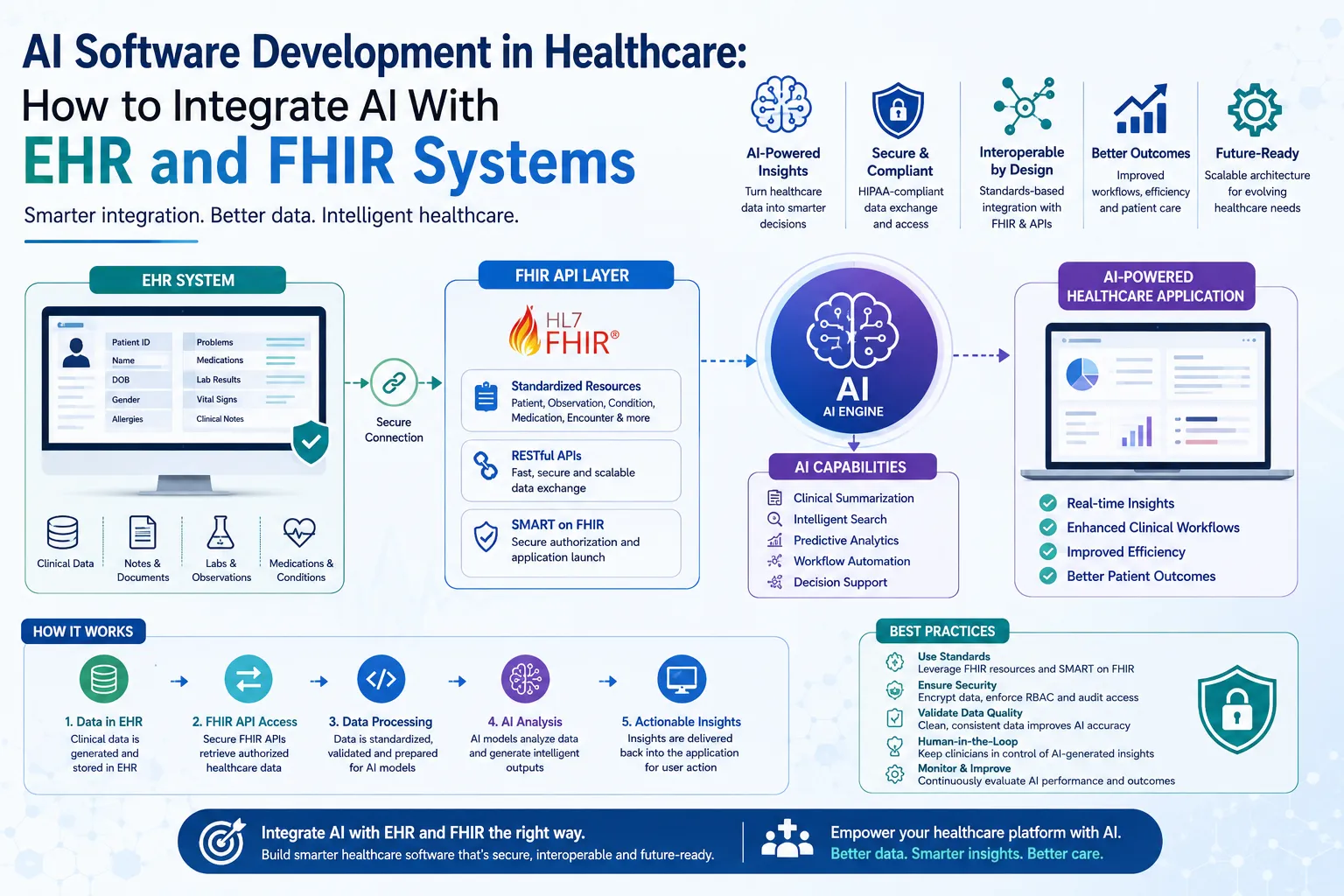
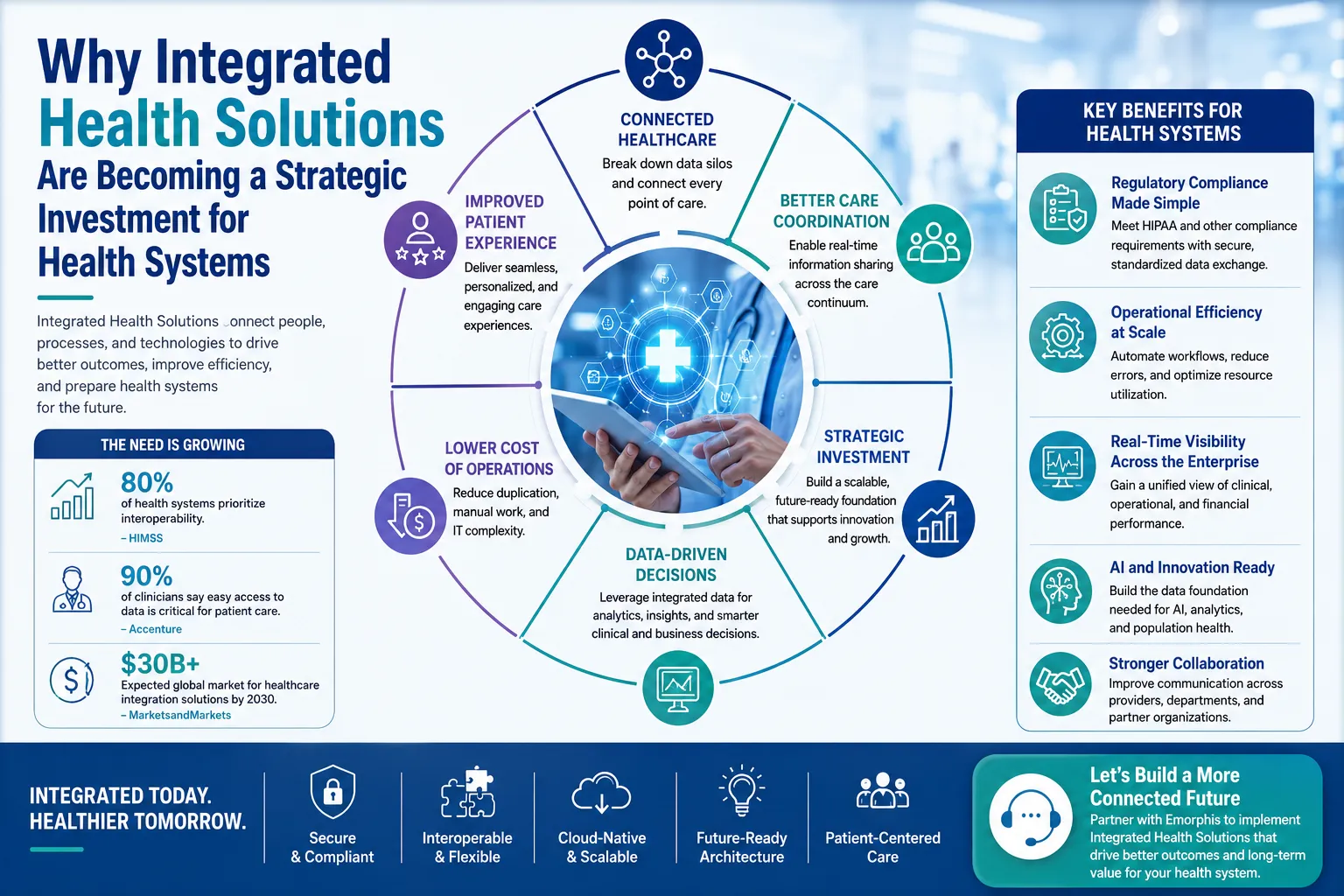
3. Choose a Patient Management System That Integrates Seamlessly
Interoperability is essential in modern healthcare environments.
The patient management system should integrate with:
- EHR and EMR platforms
- Scheduling and billing systems
- Care coordination and communication tools
Seamless integration reduces data silos and manual work.
4. Prioritize Data Security and Regulatory Compliance
Patient data is highly sensitive. Implementation plans must address:
- Data privacy and access controls
- Regulatory requirements such as HIPAA
- Secure data storage and transmission
Security and compliance should be built into the system from day one.
5. Customize Workflows Without Overcomplicating the System
Every healthcare organization has unique workflows. While customization is important, excessive customization can:
- Increase implementation time
- Complicate maintenance and upgrades
The best approach balances configuration with standardized best practices.
6. Invest in Training and Change Management
Even the best patient management system will fail without proper adoption.
Successful implementations include:
- Role-based training programs
- Ongoing support and refresher sessions
- Clear communication about system benefits
Change management ensures that staff feel confident using the system.
7. Plan for Scalability and Long-Term Growth
Healthcare needs to be evolving. A patient management system should:
- Support future growth and additional locations
- Adapt to new care models and regulations
- Enable data-driven decision-making over time
Scalability protects the long-term value of investment.
8. Monitor Performance and Continuously Optimize
Implementation does not end at go-live. Organizations should:
- Track performance metrics
- Gather user feedback
- Continuously refine workflows and system configurations
Continuous optimization ensures sustained success.
The Role of the Right Implementation Partner
Choosing the right implementation partner can significantly influence outcomes. A strong partner brings:
- Healthcare domain expertise
- Proven implementation methodologies
- Post-implementation support and optimization services
The right partner acts as a strategic advisor, not just a technology vendor.
Final Thoughts
A patient management system can transform healthcare operations when implemented correctly. By following best practices focused on planning, integration, training, and continuous improvement, healthcare organizations can unlock measurable improvements in efficiency, patient experience, and care coordination.
Successful implementation is not about technology alone—it is about aligning people, processes, and systems around better patient care.




























Sign in to leave a comment.