
Introduction
In the era of value-based care and outcome-driven reimbursement, personalized healthcare is no longer optional—it’s a strategic imperative. But personalization at scale is a massive challenge for healthcare enterprises. How do you tailor care to thousands (or millions) of patients across geographies, languages, and clinical conditions without overburdening your staff?
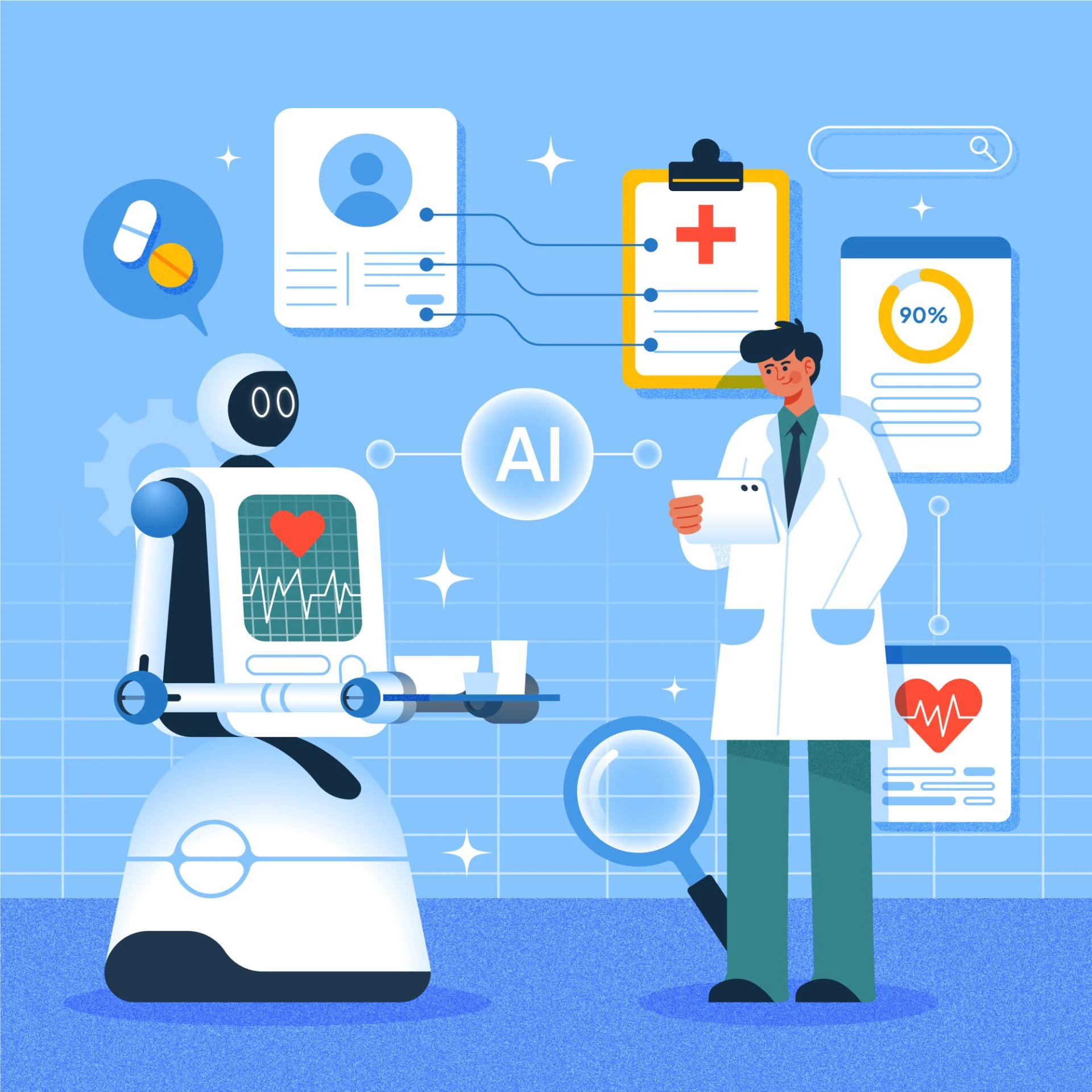
Enter AI healthcare agents intelligent digital assistants capable of automating and adapting patient interactions based on real-time data. These agents can personalize everything from education and reminders to care plans and emotional tone, all while maintaining consistency and accuracy.
However, building AI agents that are clinically reliable and scalable across diverse systems requires deep technical expertise. That’s where AI agent development services make their mark—translating complex medical workflows into safe, scalable, and personalized AI solutions.
The Demand for Hyper-Personalized Patient Engagement
Today’s patients expect the same personalized experience from healthcare that they receive from Netflix or Amazon:
- Predictive reminders
- Context-aware communication
- Tailored education
- Real-time assistance based on symptoms or device data
Yet many healthcare providers still rely on mass emails, paper handouts, or siloed patient portals. This disconnect reduces patient satisfaction, increases dropout rates, and limits treatment adherence.
What Are AI Healthcare Agents and Why They Matter
AI healthcare agents are dynamic, context-aware digital entities that:
- Interact with patients across channels (app, SMS, voice, web)
- Understand clinical data and patient history
- Adapt responses based on user behavior, needs, or emotional state
- Learn and improve over time through ML and feedback loops
They are more than chatbots—they’re evolving assistants capable of playing real roles in triage, follow-ups, chronic care, and more.
These agents bridge the personalization gap by delivering 1-on-1 attention at machine scale—something human staff simply can’t match.
Examples of AI-Driven Personalized Care
- Chronic Care Management
- An AI agent tracks a patient’s glucose data from a wearable.
- It flags abnormal trends, sends alerts, and recommends meal adjustments.
- It adapts messages based on patient compliance over time.
- Post-Surgery Recovery
- Sends day-by-day recovery tips tailored to procedure type.
- Adjusts tone and frequency based on patient response and progress.
- Escalates concerns automatically to a care manager when recovery lags.
- Mental Health Monitoring
- Conducts regular mood check-ins via app or text.
- Uses emotion recognition to detect signs of anxiety or depression.
- Personalizes interventions or flags critical changes to clinicians.
Each of these scenarios is powered by intelligent personalization—enabled by sophisticated back-end systems designed by AI agent development services.
How AI Agent Development Services Enable Scalable Personalization
While the concept of AI personalization sounds promising, execution is complex. Personalization at scale demands:
Data Unification
Bringing together EMR data, wearable data, lab results, and patient behavior into one interpretable framework.
Natural Language Processing (NLP)
Developing medical-grade NLP that understands clinical terminology and user intent, with support for multiple languages and literacy levels.
Emotional Intelligence
Incorporating AI in Emotion Recognition to adjust tone, urgency, and escalation paths based on detected sentiment in voice/text.
Privacy & Compliance
Handling all patient data with full encryption, access control, and auditability to comply with HIPAA, GDPR, and more.
Specialized AI agent development services are uniquely positioned to handle these challenges. They combine ML, UX, data governance, and clinical domain knowledge to build robust, real-time personalization engines.
Why Personalized AI Agents Are a Competitive Advantage
Personalization FeatureBusiness ImpactDynamic reminders & alertsImproved adherence to care plansEmotion-sensitive communicationStronger patient satisfaction & retentionMultilingual supportBroader reach in diverse patient groupsReal-time triage & escalationReduced hospitalizations and readmissionsAdaptive education modulesBetter patient comprehension and outcomes
Healthcare providers using AI agents see real ROI through improved outcomes, lower operational costs, and enhanced loyalty.
Choosing a Development Partner for Personalized AI Healthcare Agents
When evaluating AI agent development services, decision-makers should ask:
- Do they have experience in healthcare personalization use cases?
- Can they handle structured and unstructured health data securely?
- Do they support AI in Emotion Recognition for empathetic communication?
- How customizable and scalable is their AI architecture?
- What’s their track record with integrations (EHRs, CRMs, mobile apps)?
The right partner will not only build the agent, but continuously optimize it through A/B testing, user feedback, and data drift monitoring.
Case Study: Personalized Oncology Support at Scale
A European cancer center deployed an AI healthcare agent to guide patients through chemotherapy.
Highlights:
- AI agent adapted education based on treatment type and patient anxiety levels
- Included real-time symptom triage for nausea, pain, and fatigue
- Customized reminders based on medication timing and side effects
Results:
- 26% improvement in adherence to follow-up care
- 18% drop in ER visits due to early intervention
- Over 90% patient satisfaction with digital support
The system was built in collaboration with a leading AI agent development company, integrating both personalization and emotion recognition modules.
Conclusion
In the race toward patient-centric care, personalization is no longer a luxury it’s the foundation of effective engagement. But scaling personalization across a large and diverse population requires far more than static rules or templates. It requires intelligent systems that understand patients in real time and adapt to their changing needs.
AI healthcare agents are making this vision possible. With the expertise of AI agent development services, healthcare providers can design and deploy agents that aren’t just smart they’re empathetic, proactive, and deeply personalized.
For any organization looking to deliver care that’s more human, more responsive, and more scalable AI agent technology is the way forward.
























Sign in to leave a comment.