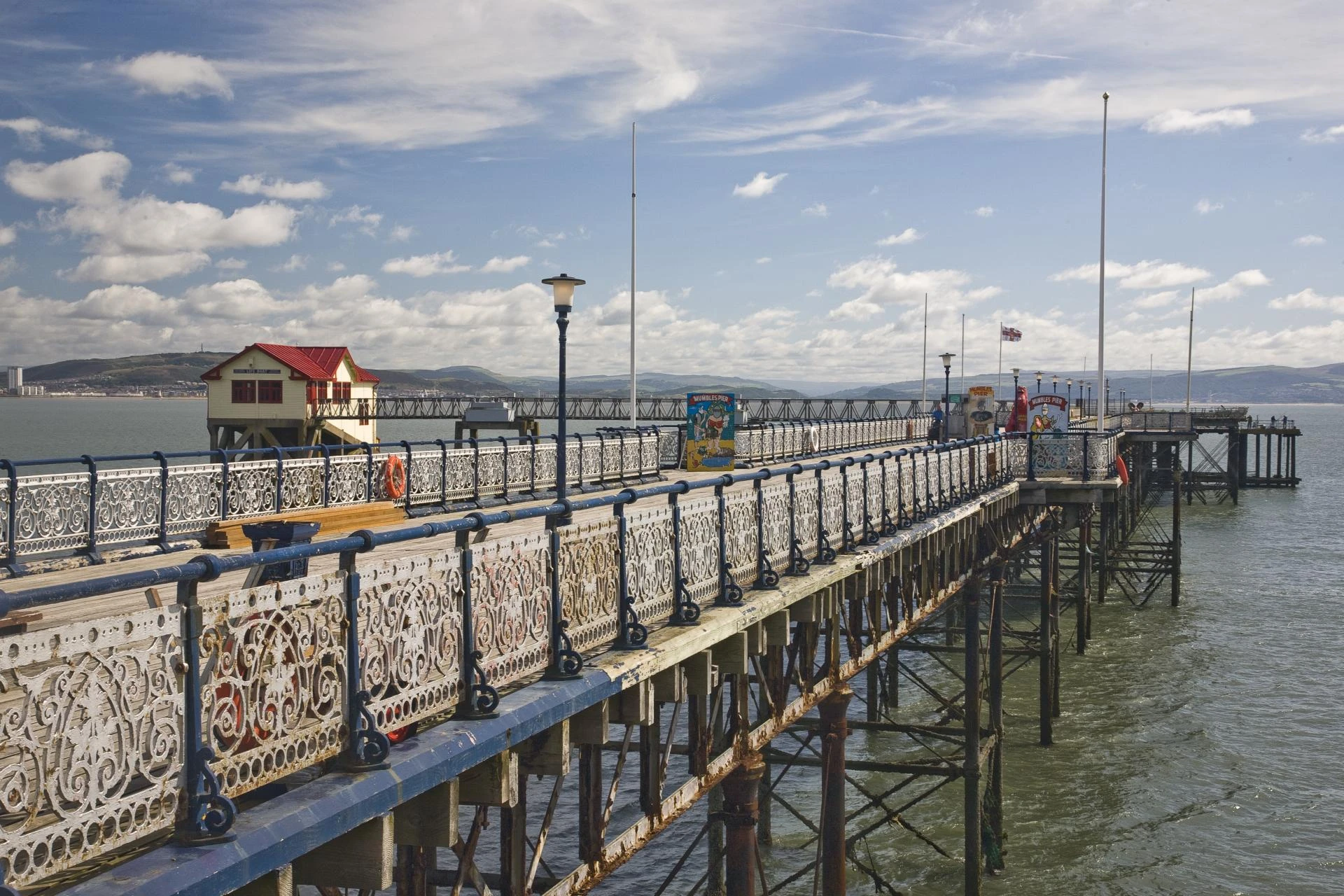

Most folks give zero thought to pile driving. Something moves - that catches attention. A dock tilts further than normal. The edge of land creeps backward slowly. Only then does it become important. Reality? This job holds up the rest. Always below sight. Never visible until mistakes show themselves. When it works well, nothing stands out. The whole idea is invisible success.
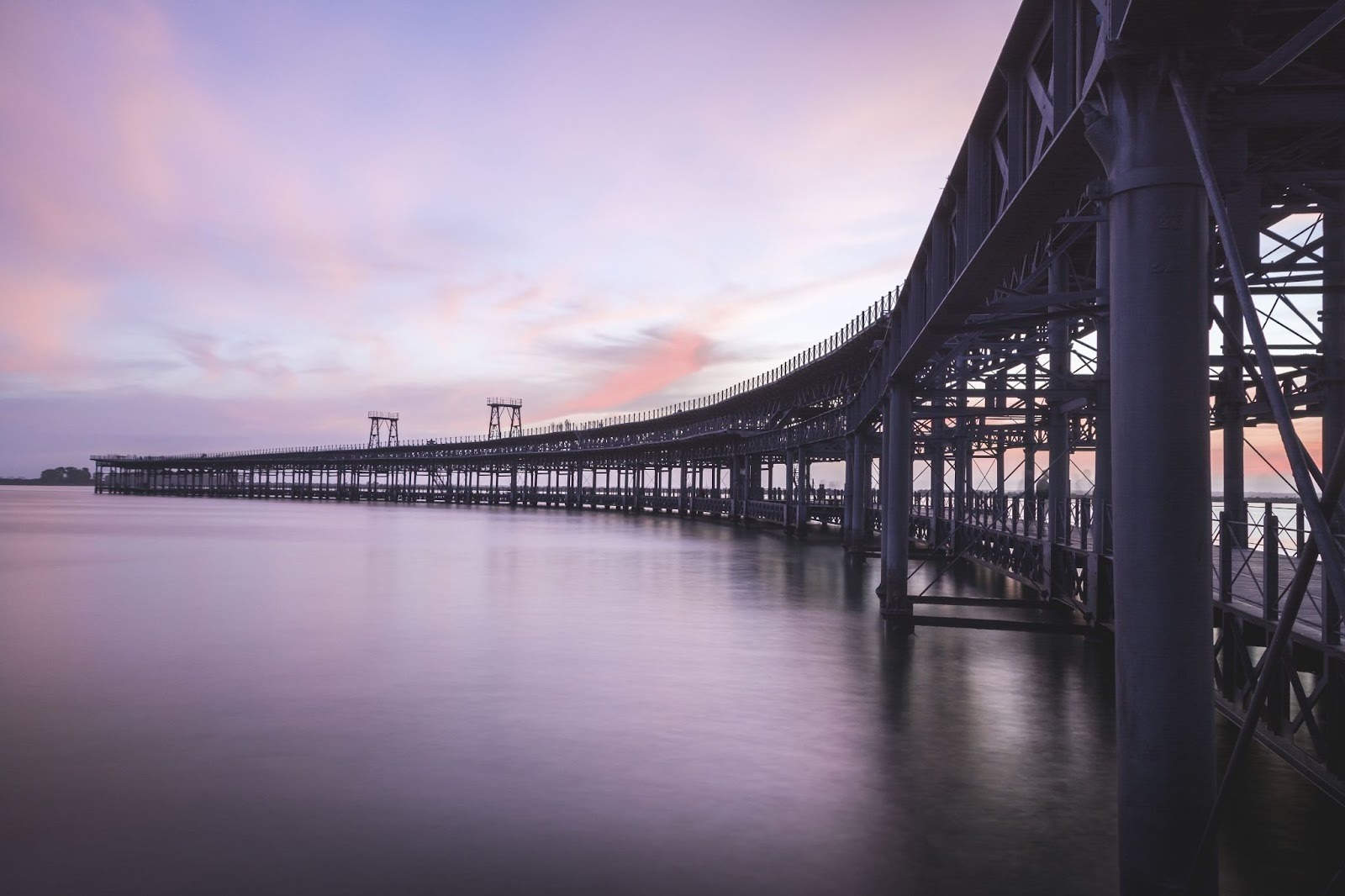
Waves never pause. Earth shifts. Tides climb, drop, press forward. When workers arrive to drive piles, they do more than sink poles deep. They create strength. A kind of quiet endurance built to survive heavy blows over time. The job is chaotic. Full of noise. Often tricky. Yet if handled well, it lasts. That staying power? What truly matters.
Pile Driving Explained Simply
Deep down, moving weight through supports defines pile driving. Call it engineering talk if you like. Actually, it means forcing beams - made of wood, metal, or concrete - far beneath the surface. Until they rest on firm layers. Layers untouched when currents stir below.
When the ground won’t hold, anything built on it begins to fail. Docks sag. Walls lean. At first glance, everything seems solid - neat corners, tight joints. Wait until winter hits, then summer returns. Slow shifts appear. One post slips. Another splits. This is why sinking piles deep matters. It keeps the whole thing locked down.
Wrong to think depth alone matters. Reaching far means little if the ground is wrong, or the tilt off. Most forget that bit way too often.
Why Pile Driving Matters in Dock Repairs
Under the planks, things shift. A wobble here. A creak there. Often it begins with something small, like warped wood. Or bolts turned brittle by salt. Yet look past what's visible during low tide, where shadows pool beneath the frame. That is where weakness takes hold. Hidden currents work slow. They gnaw at supports while nobody watches. What seems solid up top might be hollow underneath.
Piles that can’t hold up often cause trouble. As soon as they move, so does the structure on top. Most major fixes at docks include hammering new supports into place. Sometimes crews swap out damaged ones. Other times they shore up the existing framework.
Shiny work gets attention. New beams? Rarely mentioned. Still, skip those supports below, the platform above fails fast. Patch the surface while ignoring what's underneath, delay comes quick. Barely any gain at all.
Common Pile Types in Marine Building Projects
Picking the right material depends on the job at hand. Seems clear, yet plenty still go cheap when it matters. Wooden posts show up a lot, particularly on home waterfronts. Money saves come into play, along with simpler handling. Yet time takes its toll, more so where water bites hard.
Piles made of steel tend to hold up better. Tougher stuff, lasts longer. Cost jumps higher though. Need a good protective layer so rust does not take over. Concrete steps in next - weighty, firm, gets trusted often. Installation becomes tricky. Fits poorly when projects stay small.
Picking a pile means looking past cost. What counts is where it goes into the ground. Salt levels shift things. So does dirt texture. Even how water flows plays a role. Smart builders track these details. Others skip them, then cross fingers later.
The Process of Pile Driving Explained
Heavy posts drop into place one after another. First comes placement. The post must sit right on target. Not near. On. Then machines take over. A piston pounds it down. Sometimes shaking forces dig deep.
That sound? Right, it's heavy. Nothing changes that. With every hit, the post sinks more - slow, steady progress. Speed isn’t the goal here. Stay alert to how hard it fights back. Depth gets checked each time. Changes happen on the spot.
Ground can push back now and then. Stones, hard-packed soil, odd chunks buried deep. This is when skill becomes visible. Timing matters - pushing forward versus pausing to shift tactics. Force alone won’t win every time. Choices play a role, even if unseen.
Errors That Cause Pile Driving Failures
Faults pile up fast when corners get cut. Often, that begins with shallow pile work - skimming depth to rush progress. Sure, minutes are saved early. Regret follows down the line. Another trap? Off-kilter positioning. A tilt too small to notice now grows teeth with age.
Wrong materials show up next. Wood that hasn’t been treated sits in harsh conditions. Steel goes without shields against rust. Not minor slips - these errors drag down how long everything lasts.
Perhaps worst of all - overlooking what the ground can handle. One place thrives, another fails, yet people pretend results transfer easily. Thinking that way? A sign of not paying attention. Always becomes obvious later.
When Fixing the Dock Means Replacing It
Fixing a dock might not end with just a fix. A little job can reveal deeper problems when you look closer. Rotting support beams show up. The base moves out of place over time. Then, trying to mend it piece by piece feels pointless.
Pile driving takes center stage again here. Starting over requires building upward after laying down new foundations. Correct placement follows installation done right. A more solid foundation emerges when alignment improves.
Harder path. Higher price tag. Nobody enjoys these bits. Still, think of it as a fresh start. Get it correct, gain long stretches without trouble. Possibly ages. Quick patches never deliver that.
Weather soil water impact on pile driving
Far beneath the quiet waves, water stays restless. Surface stillness means nothing at all. Hidden forces never stop shifting - tugging, pulling, wearing down. Piles bear the weight of tides without pause. Seasons change, yet pressure remains constant. Movement below writes its own rules.
Out in the water, living things find their way onto wooden supports, breaking them apart bit by bit. Instead of sudden damage, rust creeps through metal posts, working quietly across years. Now and then, wind and rain stir up sand below, moving it around where least expected. When big waves hit, they drag material aside - either uncovering hidden sections or making old ones less stable.
A solid foundation thinks ahead. Built to endure, it looks beyond first-year strength. This is what separates lasting structures from those always needing fixes.
Matching People to Tasks
Some folks who do construction work really get it. Others? Not quite there yet. First impressions can hide a lot. Looks good online does not mean quality on site. Pretty pictures show up everywhere these days. Words flow easily when selling services. Big talk fills the air before any tools arrive.
Still, proof lives in small things. Watch how they study the land. Notice what comes up in conversation - dirt layers, maybe, not only numbers on a page. Talking through ground makeup matters more than quick quotes. Driving piles needs thought. Treating it like luck misses the point entirely.
A solid team moves at a steady pace. When confusion shows up, they talk through it - especially when things get tangled. That is exactly where trouble tends to stay unseen.
Cost and Value in Pile Driving and Dock Repair
What grabs most folks is price in dock repair. True, nobody said it was budget-friendly. Yet worth matters more than spend, especially when years pass by. That gap becomes obvious later.

A few dollars saved now could vanish fast when posts give way down the road. What looked like a win turns into extra cost later. Building strong at the start demands more cash up front. Still, it stays put. Requires fewer fixes. Less trouble overall.
A dock gets fixed much like anything else. Tempting to patch it fast. Often that speed feels right. Yet wise choices rarely live in haste. Admitting that? Requires real talk.
Solid Foundations Go Unnoticed Until They Break
Pile driving never wins awards. People walk past without a second glance when it's finished. Yet every structure by the sea depends on it completely. Fail here, and the whole thing collapses.
Beneath everything - docks fixed, built, held against the water - that’s where it matters. Work takes place down there. Still. Hidden. Necessary.
Right then - best to keep an eye on it. Poke around with questions. See that it lands properly. When stuff begins sliding sideways, adjustments turn rocky. Costlier too. Without fail.
Frequently Asked Questions on Pile Driving and Dock Repairs
What is pile driving in simple terms?
Pounding beams down hard makes room below for solid bases, holding things such as waterfront platforms upright. Driven deep, these poles anchor constructions where soil alone won’t hold. Heavy thuds repeat until each shaft finds grip far beneath the surface. Stability begins when long columns refuse to shift under weight above.
How does pile driving help in dock repair?
A shaky base gets fixed or swapped out. Piles hold everything up - repair a dock without them, and it will not stand for long.
For how much time do piles stay in water?
How long things hold up changes based on what they’re made of. Wooden ones might go 10 to 20 years before wearing out, whereas steel or concrete stick around far beyond that when looked after well.



























Sign in to leave a comment.