

Living with a pinched nerve can be frustrating and painful. The discomfort may range from sharp, shooting pain to tingling, numbness, or even muscle weakness. For many people, this condition disrupts daily activities and lowers their quality of life. That’s why understanding pinched nerve treatment is so important. The sooner people find relief, the faster they can get back to enjoying their normal routines.
What is a Pinched Nerve and Why Does it Happen?
A pinched nerve occurs when too much pressure is applied to a nerve by surrounding tissues such as bones, muscles, tendons, or discs. This compression interferes with the nerve’s normal function, leading to pain, tingling, or numbness.
Common causes include:
- Herniated or bulging discs pressing on nerves
- Bone spurs that develop with age or arthritis
- Repetitive motions that strain nerves
- Injuries or accidents that shift spinal alignment
- Poor posture that increases pressure on sensitive nerves
Understanding the root cause is the first step toward choosing the right treatment.
Signs That You Might Have a Pinched Nerve
People often mistake a pinched nerve for muscle soreness or strain. However, the symptoms are usually more specific and persistent. Common signs include:
- A sharp or burning pain radiating from the spine into arms or legs
- Tingling or “pins and needles” sensations in hands, fingers, or feet
- Weakness in muscles controlled by the affected nerve
- Numbness that doesn’t go away even with rest
- Pain that worsens with certain movements or positions
If these symptoms last for several days or intensify over time, seeking professional evaluation is strongly recommended.
Non-Surgical Pinched Nerve Treatment Options
Many people are relieved to know that surgery is not the first option for treating a pinched nerve. In fact, most cases can be managed effectively with non-invasive or minimally invasive treatments.
Physical Therapy and Targeted Exercises for Recovery
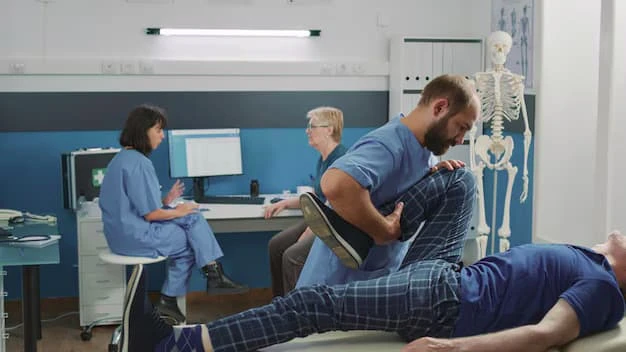
A structured physical therapy program is often one of the best pinched nerve treatment options. Specific exercises can help strengthen supporting muscles, improve posture, and relieve nerve pressure. Therapists may also teach stretching routines to increase flexibility and reduce tension in affected areas.
Lifestyle Adjustments That Support Healing
Small changes in daily habits can make a big difference. For example:
- Adjusting workspace ergonomics to reduce strain on the neck and back
- Taking frequent breaks from repetitive activities
- Maintaining a healthy weight to reduce pressure on the spine
- Improving posture when sitting, standing, or sleeping
These changes not only support healing but also help prevent the problem from returning.
Pain Management Without Heavy Medications
For many patients, conservative pain relief methods such as heat and cold therapy, massage, or over-the-counter anti-inflammatory medications provide temporary relief. Some people also explore natural therapies that encourage the body to heal itself without relying solely on strong medications.
Advanced Care for Severe Pinched Nerve Cases
In cases where conservative care doesn’t bring full relief, more advanced treatments may be recommended. These can include:
- Spinal decompression therapy to gently relieve pressure on affected nerves
- Injections that reduce inflammation and calm irritated nerves
- Minimally invasive procedures that target the root cause of nerve compression
These approaches are often considered when nerve pain is chronic or significantly impacts daily life.
The Importance of Early Intervention
Delaying treatment can make a pinched nerve worse. Continuous compression on a nerve can cause long-term damage, making recovery more difficult. That’s why it’s best to seek professional help at the first signs of persistent numbness, weakness, or sharp nerve pain.
Taking early steps not only speeds up recovery but also prevents the condition from progressing into something more serious.
How to Choose the Right Pinched Nerve Treatment Plan
Since every case is unique, the best treatment depends on the severity of symptoms and the underlying cause. A proper evaluation is essential. This typically involves:
- A physical exam to check for nerve-related symptoms
- Imaging tests such as MRI or X-rays if needed
- A personalized care plan that addresses both pain relief and long-term prevention
Patients who follow a tailored plan are far more likely to experience lasting relief compared to those who only treat symptoms at home.
Taking the First Step Toward Relief
Living with the discomfort of a pinched nerve is not something anyone should accept as normal. There are effective solutions available that can restore comfort and mobility. The key is to act sooner rather than later.
If someone has been struggling with nerve pain, they shouldn’t wait for it to get worse. Scheduling an evaluation is one of the most important steps toward recovery. The sooner treatment begins, the sooner relief can follow.
Moving Forward with the Right Care
Finding effective pinched nerve treatment can truly change a person’s life. Relief is possible through a combination of non-invasive therapies, lifestyle changes, and, when necessary, advanced procedures. What matters most is choosing the right path tailored to the individual’s needs.
For those searching for a trusted place to begin their healing journey, Coral Way Disc Center offers comprehensive care designed to help patients overcome nerve pain and regain their quality of life. With expert guidance and modern techniques, individuals can finally find the relief they’ve been seeking.





























Sign in to leave a comment.