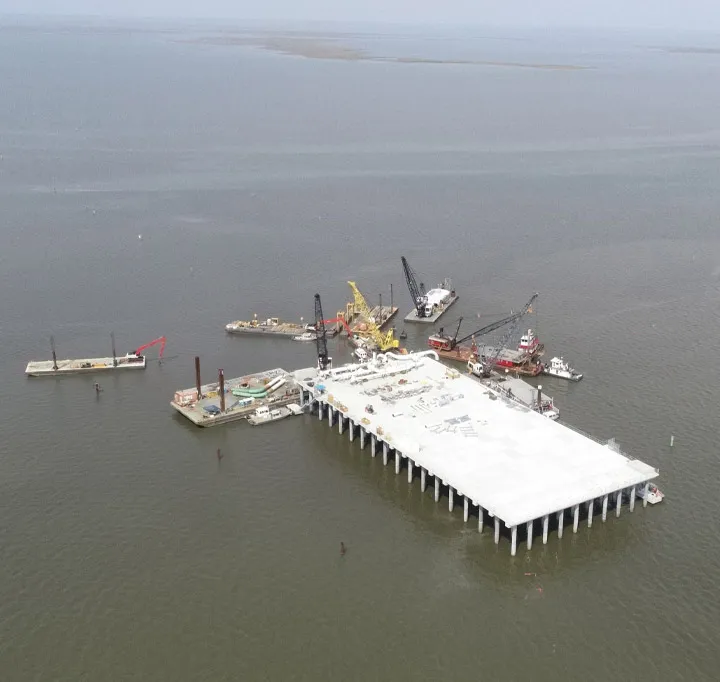
The industry of construction is evolving quickly. Engineers and builders are searching for ways to complete projects more quickly, cut costs, and enhance quality. Traditional methods of construction usually take longer and require more work. Incorrect work on site can cause delays and additional costs.
The precast solutions are changing the way construction is done. They enable builders to make concrete parts in a factory, and later put them in place on site. This technique offers speed along with accuracy and reliability. Precast construction is transforming the future of construction by making construction more efficient, safer and more durable.
In this post, we'll describe what precast solutions are and how they function with their benefits, the advantages they bring, common installations problems, and the reason they are vital for construction projects of today.
What Are Precast Solutions?
Precast solutions are the process of making concrete parts in factories, under controlled conditions. The components are:
- Columns and beams
- Wall panels
- Floors and slabs
- Foundations and footings
- Duct banks to store communications and electrical lines
Production in the factory ensures that each part has exact dimensions as well as high strength and has a consistent quality. After the production process, these parts are delivered to the site of construction and placed in the construction site quickly.
Precast solutions eliminate casting on-site which saves labor and let projects be completed in time and with less errors.
How Precast Construction Works
Precast construction follows a basic but effective process.
1. Design and Planning
Engineers design detailed plans for each component. They look at:
- Shape and size
- Capacity of load
- Reinforcement requirements
- Installation sequence
This plan ensures that each component fits perfectly and are in compliance with safety standards.
2. Factory Production
Concrete components are produced in a controlled setting. Workers:
- Make molds for concrete
- Steel reinforcement is a good addition to increase strength.
- Concrete that cures and pours in the right conditions
The factory production process ensures consistency in quality and a long life for each component.
3. Quality Control
Each component goes through rigorous quality tests. Engineers examine:
- Durability and strength
- Dimensions and alignment
- Surface finish
Every component is checked to ensure that it is up to the highest standards prior to it leaves the plant.
4. Transportation
Once the components are complete when they are ready, they are taken on to construction sites. The cranes and trucks carefully transport the components. Proper handling prevents damage during transportation.
5. Installation
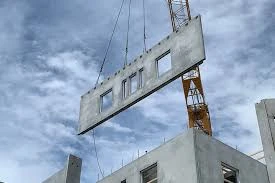
On site, construction workers set up precast elements effectively. Cranes can lift massive beams, walls and slabs to their final positions. Engineers ensure proper alignment and secure connections to ensure structural security.
Benefits of Precast Solutions
Precast solutions have numerous advantages over traditional methods of construction.
1. Faster Construction
Components are prepared before site construction begins. Builders can quickly install them and reduce project timeframes and makes it easier to keep track of deadlines.
2. High Quality and Accuracy
Factory production ensures consistent quality. Each component is precisely measured and the correct reinforcement. This helps reduce errors and increases overall security.
3. Cost Efficiency
Precast construction can reduce the cost of labor and waste materials. The faster installation process saves money and the long-lasting components decrease the cost of maintenance over time.
4. Safety
Precast solutions increase security on construction sites. Workers use prefabricated components rather than pouring concrete on site. A lesser amount of work on-site reduces the chance of accidents.
5. Strength and Durability
Precast products are sturdy and durable. They can withstand extreme loads, weather conditions as well as environmental stresses. Constructions and infrastructure constructed using precast products last longer.
6. Sustainability
Precast solutions are eco-friendly. Factories minimize waste material reduce disruption to the site and maximize resource usage. Precast construction is an eco-friendly option for projects of the present.
Applications of Precast Solutions
Precast products are versatile and can be utilized in a variety in construction.
1. Residential Buildings
Precast floors, walls and foundations accelerate home construction and ensure top quality.
2. Commercial Buildings
Shopping centers, offices, and hotels make use of slabs, beams and panels for quicker and safer construction.
3. Industrial Facilities
Warehouses and factories rely on precast systems for sturdy walls, floors and structural elements which can are able to support large equipment.
4. Infrastructure Projects
Tunnels, bridges railways and bridges make use of the precast beams, panels and columns that reduce time and increase safety.
5. Utility Projects
Precast manholes, duct bank system and utility channels are designed to organize and safeguard electrical water, communication, and underground systems.
Installation Process
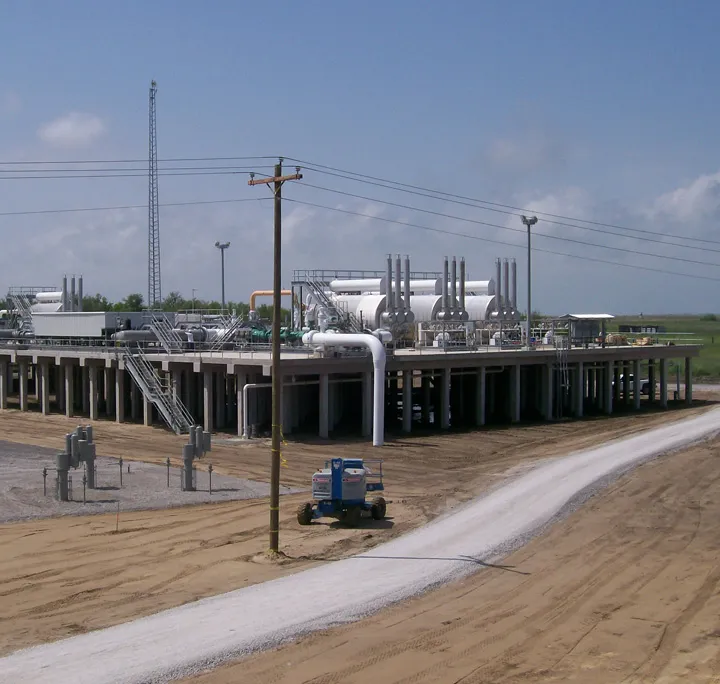
Installing precast parts is quicker and more simple than traditional methods.
Step 1: Site Preparation
Workers excavate and levelize the area. They make sure that the site is level and has a proper trench depths for foundations and duct banks.
Step 2: Delivery
Precast components are moved directly from factories to place of installation. The trucks and cranes take care to handle them with care, avoiding the risk of damage.
Step 3: Placement
Cranes raise components to a new position. Workers align each component and secure it in accordance with specifications for the design.
Step 4: Connection
Workers join beams, wall panels and ducts in one continuous structure. Proper alignment ensures structural integrity.
Step 5: Backfilling
Soil is laid over the components to help secure them. Compaction helps ensure stability and stops shifting.
Step 6: Inspection
Engineers examine the structure to ensure the alignment, strength, and the quality. They verify that the structure is in compliance with specifications for the project.
Challenges of Precast Construction
Although precast solutions are effective however, they do come with issues:
Transportation
Precast components are extremely heavy and bulky. A proper plan and equipment is necessary to ensure safe transport.
Initial Cost
The initial cost for precast parts may be more expensive than other methods. However, the savings over time, labor and maintenance makes it more cost-effective.
Design Flexibility
Changes to design made after the deadline may be difficult after the parts are made. Achieving accurate planning and timely approvals are crucial.
Why Precast Solutions Are Transforming Construction
The use of precast is changing the way construction is done for the better. Precast solutions allow builders to:
- Faster completion of projects
- Reduce the cost of materials and labor.
- Increase safety on site
- Make sure you have the highest quality and long-lasting
- Support sustainable practices
With the combination of efficiency as well as quality and sustainability precast solutions are quickly becoming the most popular option for construction projects of the future around the world.
The Future of Precast Construction
Precast solutions are a popular choice for precast. Their use continues to increase with the advancement of technology:
- Concrete mixes that are new and reinforced methods improve strength and decrease the weight
- Modern machinery increases the factory's production
- Modular designs let buildings be assembled into large puzzles
- Precast solutions minimize environmental impacts through the efficient use of materials. use
As the population of cities grows and demand for infrastructure grows Precast solutions will play an essential part in the construction of more efficient, safer and more durable structures.
Conclusion
Precast solutions are changing this sector of the building industry. They offer speed, effectiveness, quality and endurance. Builders can finish industrial, commercial, residential infrastructure, and other projects more quickly while reducing costs and ensuring the safety of their customers.
Modern construction requires precision, speed, and sustainability--precast solutions deliver all three. Precasting is a method that builders can build solid, reliable long-lasting structures.
Precast solutions aren't just a way to construct a structure, they will be the new construction method of the coming years.




















Sign in to leave a comment.