
Your production line grinds to a halt because a critical CNC machine part fails without warning. Lead times from overseas suppliers stretch into weeks, while local options fall short on tolerances or after-sales support. Rising labor costs, stricter quality demands from global buyers, and the push toward higher automation leave factory managers scrambling for reliable equipment that actually performs under real Chinese workshop conditions.
This scenario plays out daily across workshops in the Yangtze River Delta, Pearl River Delta, and emerging industrial hubs in central and western China. Manufacturers in automotive components, electronics assembly, food processing, textile production, and heavy equipment face constant pressure to upgrade without massive capital risk or supply chain surprises.
A practical answer lies in working with experienced sourcing partners who understand both the engineering realities on the factory floor and the complexities of procuring from verified Chinese suppliers. Mekantra Tech stands out as one such partner, focusing on delivering precision-engineered machinery and smart industrial solutions tailored to modern manufacturing needs in China and beyond.
The Pressures Driving Equipment Upgrades in Chinese Factories Today
China's manufacturing sector continues its shift from volume-driven production toward higher value, more flexible output. Labor shortages in coastal regions, combined with government incentives for intelligent manufacturing under the latest five-year planning frameworks, force plants to adopt automation faster than ever.
Industrial robot installations in China have grown rapidly, with annual production figures showing strong increases into 2026. Yet many smaller and medium-sized enterprises struggle to integrate new systems. They need equipment that offers tight tolerances, repeatable performance, and compatibility with existing lines rather than full overhauls.
Key pain points include:
- Inconsistent quality from unverified suppliers leading to premature failures and costly rework.
- Long procurement cycles that delay capacity expansion or new product launches.
- Difficulty sourcing specialized machinery for sectors like oil and gas processing, chemical systems, or food and beverage lines while meeting safety and environmental standards.
- Balancing cost with advanced features such as IoT connectivity for predictive maintenance.
Factories that once relied on basic manual or semi-automatic machines now require CNC systems, automated assembly lines, and supporting equipment that can handle high-mix, low-volume runs or high-speed continuous production.
What Precision-Engineered Machinery Looks Like in Practice
Precision machinery goes beyond basic metal cutting or forming. It involves multi-axis CNC machines capable of tolerances down to microns, robust construction for 24/7 operation in dusty or humid environments common in many Chinese facilities, and control systems that support data logging for quality traceability.
For example, a component manufacturer supplying the new energy vehicle industry might need high-speed CNC machining centers with automatic tool changers and integrated vision systems. These allow tighter process control, reduced scrap rates, and faster changeovers between different part families.
In textile manufacturing, modern spinning and weaving equipment must deliver consistent yarn quality while minimizing energy use and downtime. Food and beverage processing lines require stainless steel hygiene standards, precise temperature control, and easy-clean designs to comply with food safety regulations.
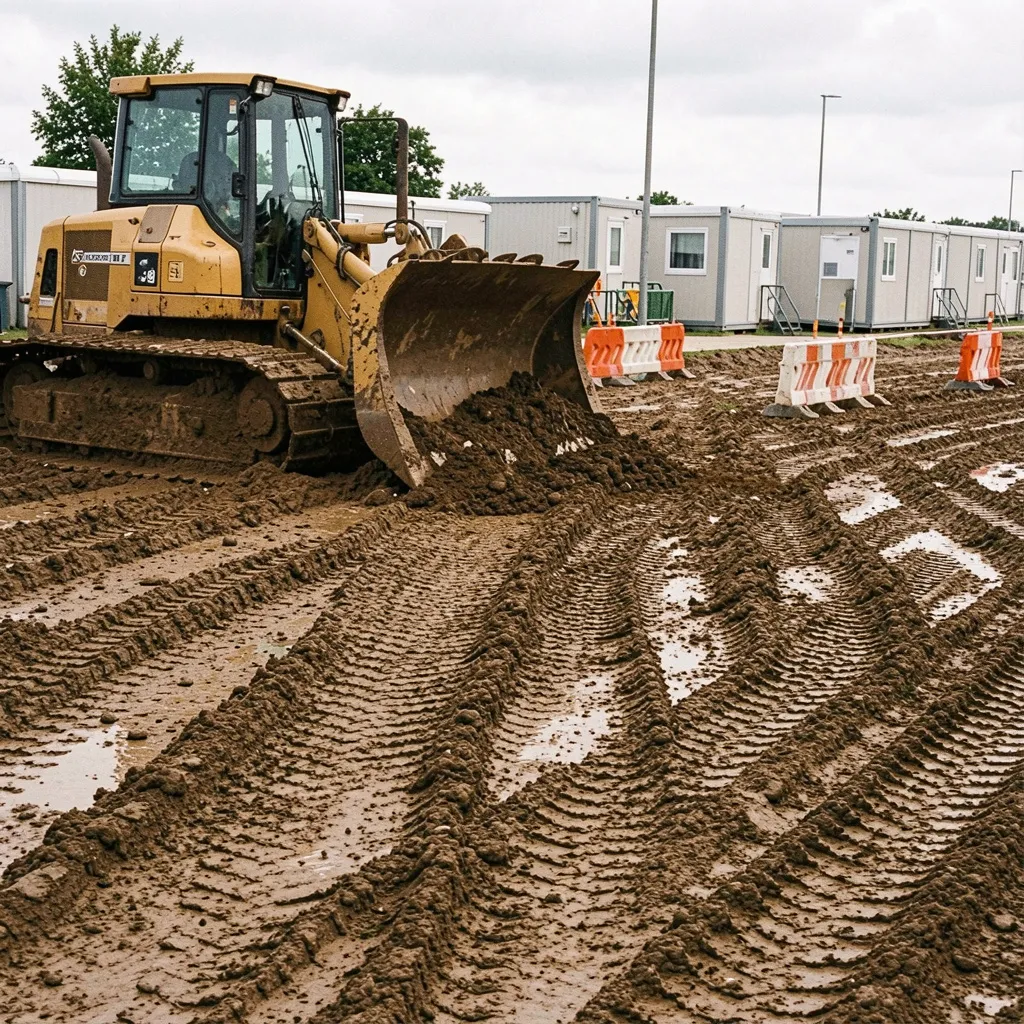
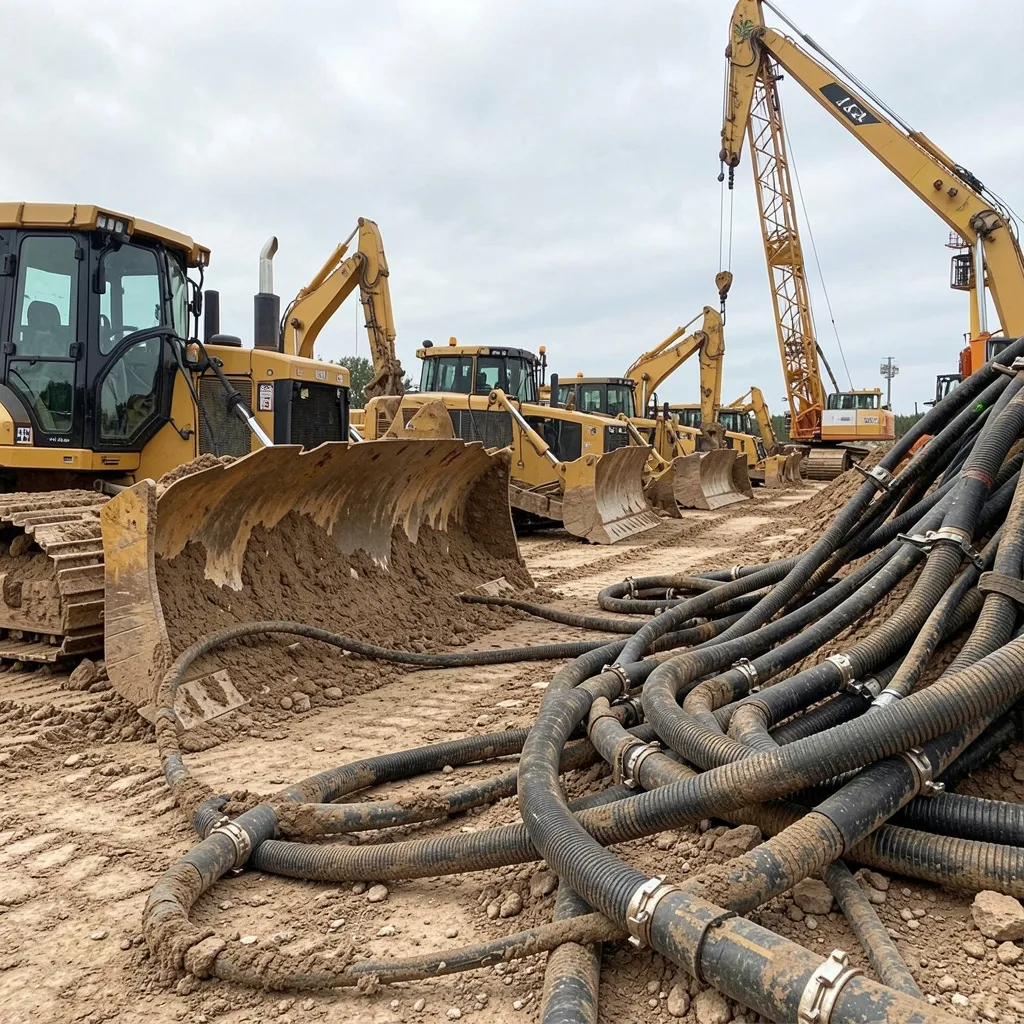
Heavy machinery such as wheel loaders or construction equipment used in infrastructure projects demands reliable hydraulic systems and durable frames that withstand tough site conditions across China's varied climates.
Sourcing partners like Mekantra Tech maintain on-ground teams in key manufacturing cities, including Changzhou in Jiangsu Province. This presence allows for direct factory audits, quality inspections, and coordination with OEM and ODM manufacturers who hold relevant certifications.
Smart Industrial Solutions That Fit Real Workshop Needs
Smart solutions today mean more than installing a few robots. They involve connecting machines, sensors, and software so operators and managers gain real-time visibility into production metrics, energy consumption, and potential faults.
Common implementations include:
- CNC machines equipped with remote monitoring that alert maintenance teams before breakdowns occur.
- Automated material handling systems that reduce manual lifting and improve safety in assembly areas.
- Process control systems for chemical or refinery equipment that maintain precise parameters and generate compliance reports.
- Integration of collaborative robots that work alongside skilled workers rather than replacing them entirely, especially useful during the transition phase.
One mid-sized electronics parts maker in Suzhou upgraded its assembly line with targeted automation modules. Output increased while defect rates dropped, and the same team handled more complex orders without proportional headcount growth. The key was selecting modular equipment that scaled in phases rather than a single massive investment.
Another case involved a food processing plant near Shanghai that replaced older filling and packaging machinery with newer models featuring servo controls and IoT sensors. Changeover times between different product sizes fell sharply, allowing the factory to respond quicker to seasonal demand spikes.
The Sourcing Process That Reduces Risk
Reliable procurement follows clear steps. It starts with a detailed understanding of the buyer's technical specifications, production volume targets, and budget constraints. Experienced teams then match these requirements against a vetted network of suppliers.
Next comes factory verification, including checks on production capacity, quality management systems, and past export performance. Sample testing or pilot runs provide confidence before full orders. Logistics coordination ensures equipment arrives with proper documentation for installation and commissioning.
This structured approach matters particularly for overseas buyers entering or expanding in the Chinese market, as well as domestic manufacturers seeking to upgrade without navigating countless supplier options themselves.
Mekantra Tech emphasizes transparency throughout. Clients receive clear timelines, cost breakdowns, and progress updates, reducing the uncertainty that often accompanies cross-border or complex domestic equipment purchases.
Supporting Key Manufacturing Sectors Across China
Different industries present unique equipment demands:
In the automotive and new energy sectors, precision CNC machines and automated welding or assembly systems help meet the tight specifications required for battery components, electric motors, and lightweight structural parts.
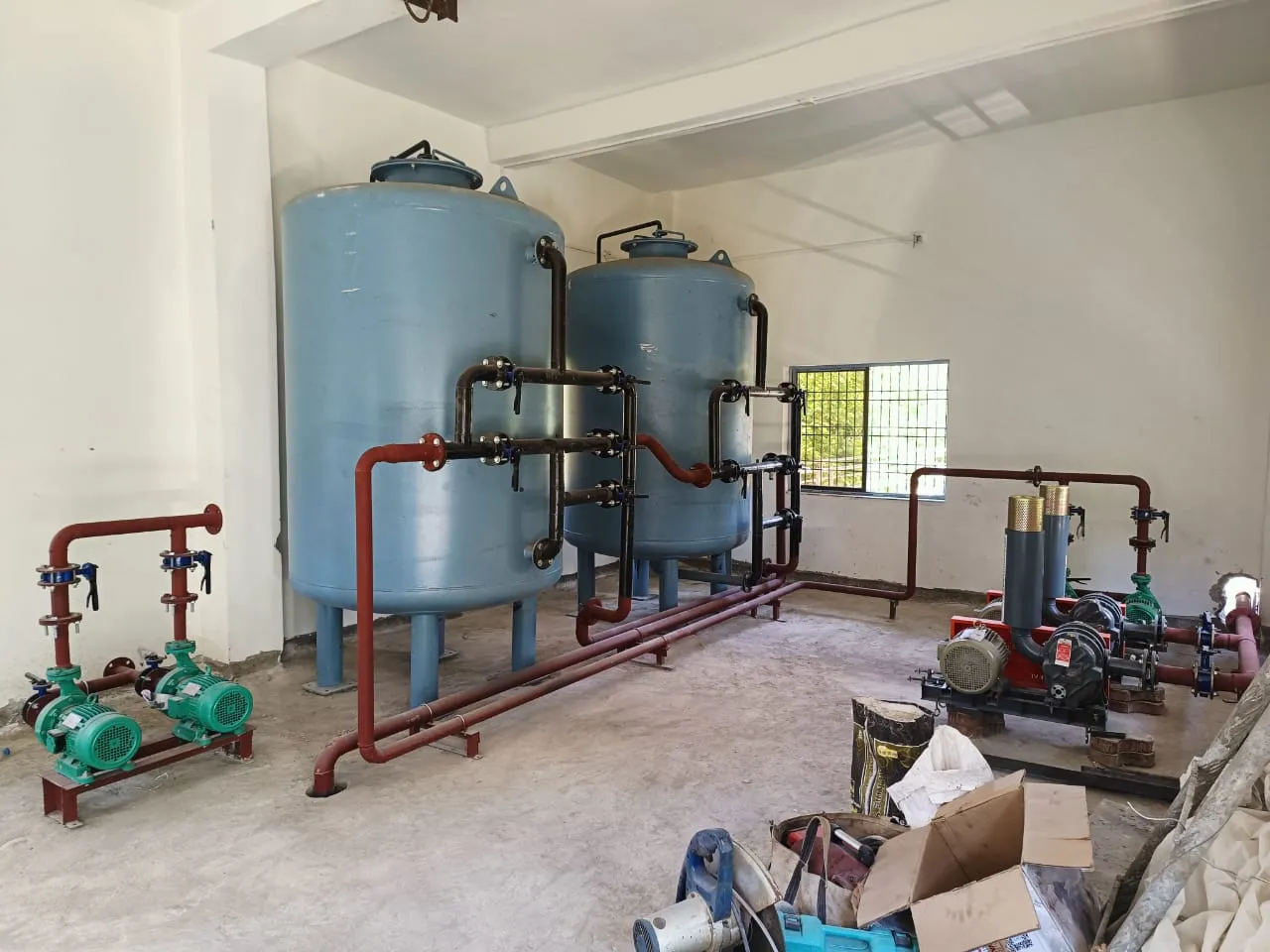
Chemical and oil refinery operations need robust processing equipment, pumps, and control systems designed for corrosive environments and continuous duty cycles.
Textile producers benefit from high-speed spinning frames, weaving looms, and finishing machinery that maintain fabric quality while lowering energy and water usage.
Food and beverage lines require specialized processing and packaging machinery that prioritizes hygiene, speed, and gentle product handling to preserve quality.
Construction and infrastructure projects rely on durable heavy equipment such as loaders and related systems that perform reliably on large-scale sites.
A good sourcing partner brings sector-specific knowledge, ensuring the selected machinery aligns with both current operations and future expansion plans.
Quality Assurance and Long-Term Support
Equipment performance depends heavily on proper installation, operator training, and ongoing maintenance. Professional suppliers arrange commissioning services and provide access to spare parts networks. Some offer remote diagnostics that allow engineers in China to troubleshoot issues quickly, minimizing production stoppages.
Documentation packages include operation manuals in appropriate languages, maintenance schedules, and certification records. This level of detail supports internal audits and helps factories maintain compliance with increasingly rigorous domestic and international standards.
Practical experience shows that plants investing in verified, well-supported machinery see lower total cost of ownership over five to ten years compared to chasing the absolute lowest upfront price.
Navigating the Shift Toward Intelligent Manufacturing
China's factories are moving steadily toward greater digital integration. Over 30,000 basic smart factories have been established nationwide, with a smaller number reaching excellence levels featuring advanced scenarios in AI application, digital twins, and fully connected production lines.
Not every operation needs a complete smart factory immediately. Many begin with targeted upgrades — adding sensors to existing CNC machines, implementing basic predictive maintenance software, or introducing collaborative robots in bottleneck areas.
The most successful transitions combine technology with workforce development. Skilled technicians who understand both mechanical systems and data interpretation become even more valuable in this environment.
Partners familiar with these trends can guide manufacturers on phased implementation that delivers measurable returns at each step rather than promising overnight transformation.
Making Equipment Decisions That Support Growth
Factory leaders evaluating new machinery should focus on several practical factors: compatibility with current workflows, energy efficiency ratings, ease of integration with digital systems, and the supplier's track record for after-sales response in the Chinese market.
Working with an established sourcing specialist simplifies these choices. Their teams have visited hundreds of production facilities and understand which equipment truly delivers under daily operating conditions in China.
For manufacturers ready to strengthen their production capabilities with reliable precision machinery and smart solutions, exploring structured sourcing options offers a lower-risk path forward.
FAQ
How does working with a specialized sourcing partner speed up machinery procurement in China?
Experienced partners handle supplier matching, quality inspections, and logistics coordination, often reducing lead times compared to direct sourcing while lowering risks of receiving substandard equipment.
What types of industrial equipment are commonly sourced for smart manufacturing upgrades?
Common categories include CNC machines, automation systems, food and beverage processing machinery, textile equipment, oil and gas processing systems, and heavy construction machinery, all selected to support higher precision, connectivity, and efficiency.
Is it practical for smaller factories in China to adopt smart industrial solutions gradually?
Yes. Many start with targeted upgrades such as adding IoT monitoring to existing machines or introducing collaborative robots in specific processes, achieving efficiency gains without full-scale overhauls.

























Sign in to leave a comment.