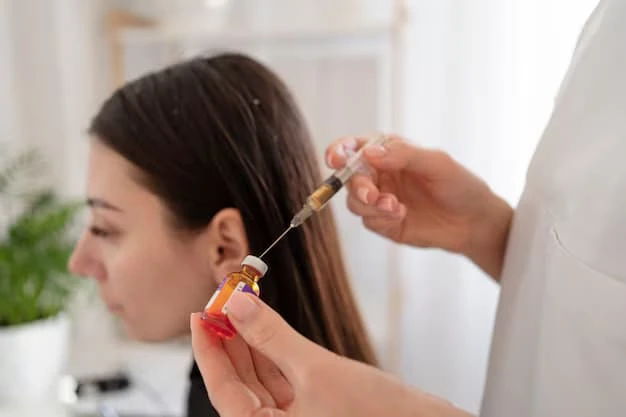
Hair loss is a concern that affects millions of people worldwide, regardless of age or gender. While traditional treatments have focused on slowing hair loss or surgically replacing missing hair, modern approaches are shifting toward regeneration and scalp health. One of the most promising developments in this field is PRF hair treatment, a procedure that uses the body’s own biological resources to support natural hair regrowth.
As interest in regenerative medicine continues to grow, PRF hair treatment is increasingly seen as a future focused solution for individuals seeking effective and natural hair restoration. This article explores how PRF hair treatment works, why it is considered innovative, and what makes it a compelling option for managing hair loss.
Understanding PRF Hair Treatment
What Is PRF Hair Treatment
PRF hair treatment stands for platelet rich fibrin therapy applied to the scalp to encourage hair growth. It involves drawing a small amount of the patient’s blood and processing it to obtain a concentrated solution rich in platelets, growth factors, fibrin, and white blood cells. This solution is then introduced into targeted areas of the scalp.
Unlike older platelet based therapies, PRF hair treatment does not rely on additives or anticoagulants. This allows the natural healing components of the blood to remain intact and active for a longer period.
How PRF Differs From Other Regenerative Therapies
PRF hair treatment is considered a second generation regenerative therapy. The fibrin matrix within PRF allows for a slow and sustained release of growth factors. This extended activity supports long term follicle stimulation rather than providing only short term benefits.
The Science Behind PRF Hair Treatment
Role of Growth Factors in Hair Growth
Hair follicles depend on a healthy blood supply and consistent cellular signals to remain in the active growth phase. Growth factors present in PRF hair treatment help improve circulation, nourish follicles, and reduce inflammation in the scalp.
Fibrin and Sustained Regeneration
The fibrin component acts as a natural scaffold. It holds growth factors at the treatment site and releases them gradually. This prolonged stimulation is one of the reasons PRF hair treatment is viewed as a forward thinking approach.
Supporting the Natural Hair Cycle
PRF hair treatment works by extending the anagen or growth phase of the hair cycle. By strengthening existing follicles, it helps slow hair thinning and encourages healthier hair production.
Who Can Benefit From PRF Hair Treatment
Early and Moderate Hair Loss
PRF hair treatment is most effective for individuals experiencing early to moderate hair thinning. It works best when hair follicles are still present but weakened.
Hair Thinning in Men and Women
Both men and women can benefit from PRF hair treatment. It is commonly used for pattern related thinning as well as diffuse hair loss where density gradually decreases across the scalp.
Preventive Hair Care
Some individuals choose PRF hair treatment as a preventive option. Supporting follicle health early may help slow future hair loss and maintain density for longer.
The PRF Hair Treatment Procedure
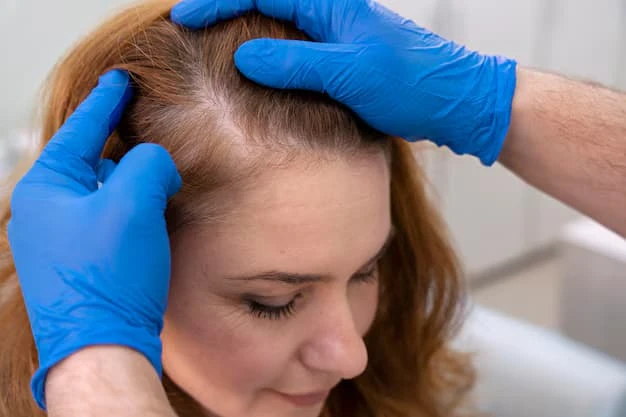
Initial Consultation and Evaluation
The process begins with a detailed assessment of the scalp and hair loss pattern. Medical history and expectations are discussed to ensure PRF hair treatment is appropriate.
Blood Collection and Processing
A small blood sample is taken and placed in a centrifuge. This process separates the platelet rich fibrin from other blood components without the use of chemicals.
Application to the Scalp
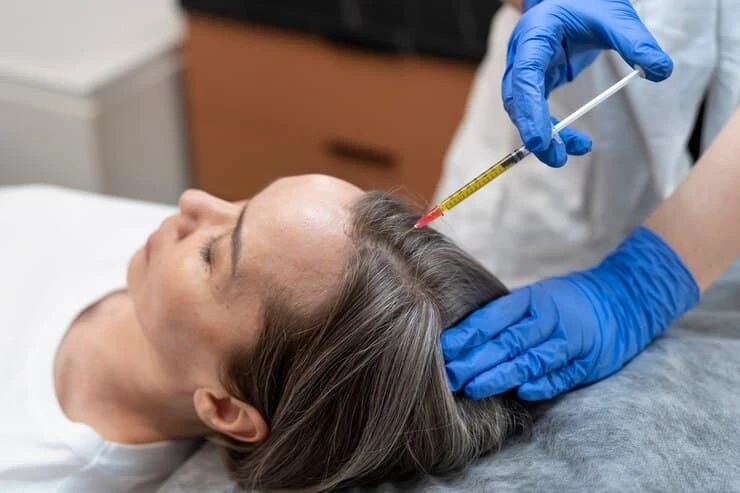
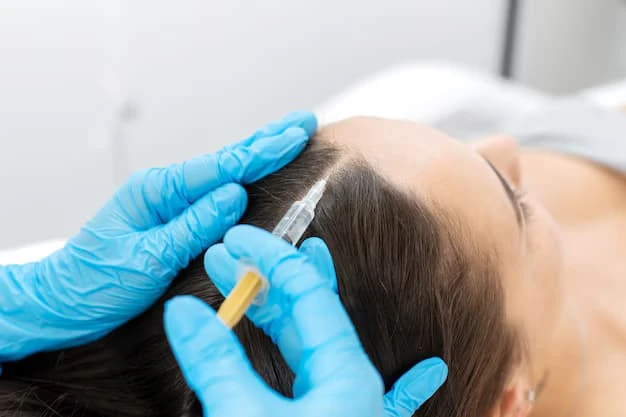
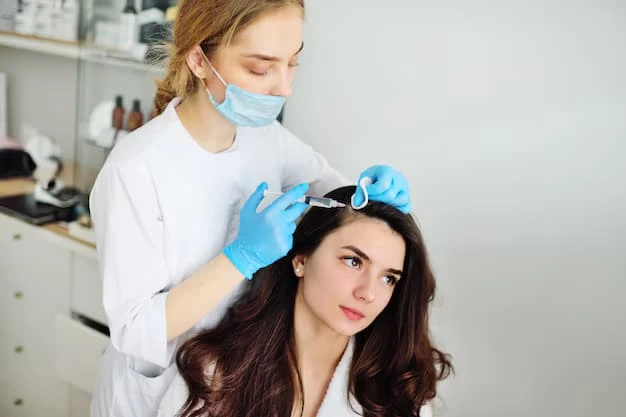
The PRF solution is carefully introduced into areas affected by thinning hair. The goal is to deliver regenerative components directly to weakened follicles.
Comfort and Treatment Duration
The procedure is minimally invasive and generally well tolerated. Local measures may be used to enhance comfort, and the entire session is usually completed within a short timeframe.
Recovery and Aftercare
Minimal Downtime
One of the advantages of PRF hair treatment is minimal recovery time. Mild redness or sensitivity may occur but typically resolves quickly.
Post Treatment Care Guidelines
Patients are advised to follow simple aftercare instructions, such as avoiding harsh scalp treatments for a short period. Normal daily activities can usually be resumed soon after.
Follow Up and Monitoring
Follow up appointments allow progress to be assessed and help determine whether additional sessions would be beneficial.
Timeline for Results
Short Term Changes
In the first few weeks, some individuals notice reduced hair shedding and improved scalp condition. These early changes indicate a healthier follicle environment.
Medium Term Improvements
Within three to six months, hair may appear thicker and stronger. New growth can begin to emerge as follicles respond to regenerative stimulation.
Long Term Outcomes
Full results from PRF hair treatment are typically evaluated after several months. Continued improvement in density and texture may occur over time, especially with maintenance sessions.
PRF Hair Treatment vs Traditional Hair Restoration Methods
Non Surgical Approach
PRF hair treatment does not involve surgery or incisions. This makes it appealing to individuals who prefer less invasive solutions.
Focus on Regeneration
Rather than relocating hair follicles, PRF hair treatment focuses on revitalising existing ones. This regenerative approach aligns with the future direction of hair restoration.
Complementary Use With Other Treatments
PRF hair treatment can be combined with other hair restoration methods to enhance overall results and support long term scalp health.
Safety and Effectiveness of PRF Hair Treatment
Use of Natural Components
PRF hair treatment uses the patient’s own blood, significantly reducing the risk of allergic reactions or rejection.
Low Risk Profile
Side effects are usually mild and temporary. The non surgical nature of PRF hair treatment contributes to its strong safety profile.
Backed by Regenerative Medicine Principles
As regenerative medicine continues to advance, PRF hair treatment benefits from ongoing research and refinement of techniques.
Why PRF Hair Treatment Represents the Future
Shift Toward Biological Solutions
Modern hair restoration is moving away from purely cosmetic fixes and toward biological solutions that address the root causes of hair loss.
Personalised Treatment Potential
PRF hair treatment can be tailored based on individual needs, hair loss patterns, and treatment goals.
Growing Demand for Natural Results
Patients increasingly seek treatments that deliver natural looking results with minimal disruption. PRF hair treatment aligns with these expectations.
Managing Expectations With PRF Hair Treatment
Understanding Treatment Limits
PRF hair treatment enhances existing hair but does not create new follicles. Realistic expectations are essential for satisfaction.
Importance of Early Intervention
Starting PRF hair treatment earlier often leads to better outcomes. Preserving follicle health before extensive loss occurs is key.
Long Term Commitment to Hair Health
Maintaining results may require ongoing care, including follow up sessions and healthy lifestyle habits.
Conclusion
PRF hair treatment represents a significant step forward in hair restoration by combining regenerative science with a natural and minimally invasive approach. By focusing on follicle health, sustained growth factor release, and long term scalp improvement, it offers a future oriented solution for individuals experiencing hair thinning.
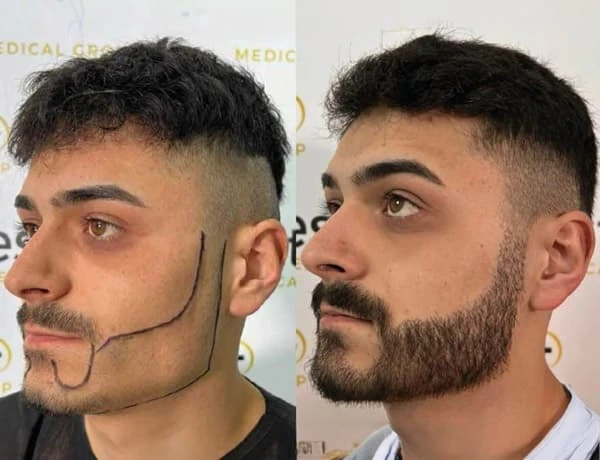
For those seeking expert guidance and advanced regenerative hair treatments, Este Medical Group Cosmetic Surgery provides professional assessment and tailored solutions designed to support natural hair growth and lasting confidence.


























Sign in to leave a comment.