Hair loss is a concern for millions of individuals worldwide, affecting both men and women. In recent years, regenerative therapies have gained popularity as effective, minimally invasive solutions for hair restoration. Among these, platelet-rich plasma (PRP) and platelet-rich fibrin (PRF) have emerged as two leading treatments. While both therapies use components derived from the patient’s blood to stimulate hair growth, there are important differences that impact effectiveness, longevity, and overall results.
This article explores platelet-rich fibrin hair treatment, how it compares to PRP, the benefits of each, and guidance on choosing the right therapy.
Understanding Hair Loss
Common Causes of Hair Loss
Hair loss can be caused by a variety of factors including:
- Genetic predisposition, such as androgenetic alopecia
- Hormonal changes during pregnancy, menopause, or thyroid disorders
- Medical conditions, autoimmune diseases, or scalp infections
- Stress and lifestyle factors, including diet, sleep, and emotional stress
- Nutritional deficiencies affecting hair follicle health
Identifying the underlying cause of hair loss is essential in selecting the most effective treatment method.
Patterns of Hair Loss
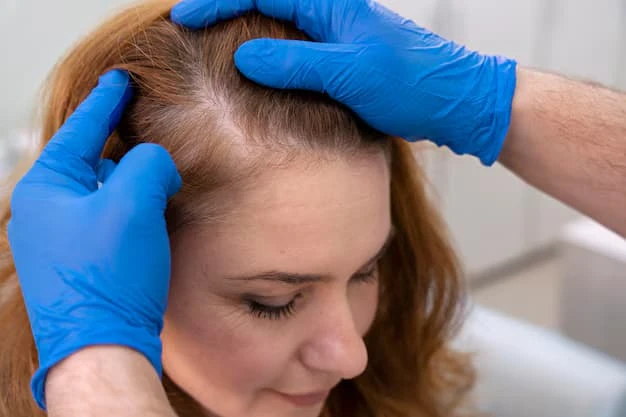
In women, hair loss often appears as diffuse thinning across the scalp or along the part line, while men may experience receding hairlines or thinning at the crown. The pattern and severity of hair loss determine which treatment will provide optimal results.
Emotional and Social Impact
Hair loss can significantly affect confidence and self esteem. Many individuals seek treatment not only to restore hair but also to improve overall wellbeing and social confidence.
What Is Platelet-Rich Fibrin Hair Treatment
Defining PRF
Platelet-rich fibrin is a regenerative therapy that uses the patient’s own blood to stimulate hair growth. Unlike PRP, PRF is prepared without anticoagulants, which allows a slow release of growth factors over time. This continuous release enhances follicle stimulation and supports longer lasting results.
How PRF Works
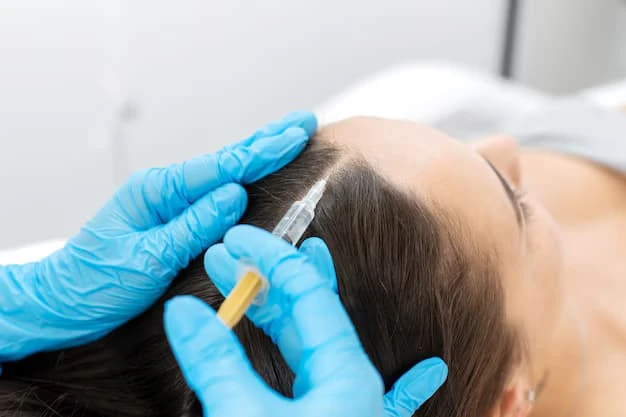
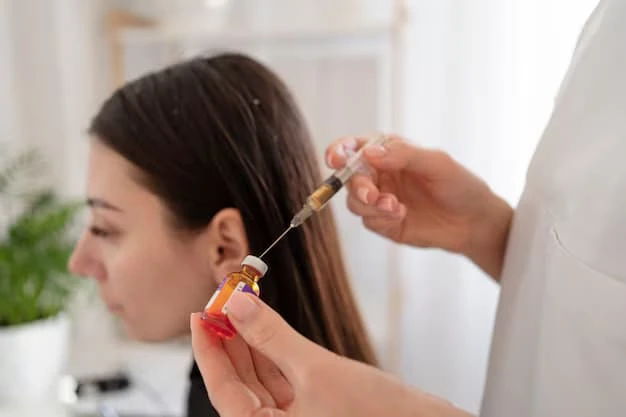
A small blood sample is collected from the patient and centrifuged to separate platelets, fibrin, and growth factors. The resulting PRF is then injected into areas of thinning hair. The fibrin matrix acts as a scaffold, gradually releasing growth factors that:
- Activate dormant hair follicles
- Improve scalp circulation
- Strengthen existing hair
- Promote natural hair growth
Benefits of PRF Hair Treatment
- Non surgical and minimally invasive
- Stimulates dormant follicles for natural hair regrowth
- Reduces shedding and strengthens existing hair
- Provides slow and sustained release of growth factors
- Short recovery time and minimal downtime
What Is Platelet-Rich Plasma (PRP)
Defining PRP
PRP therapy also uses the patient’s blood to extract platelets and growth factors, which are then injected into the scalp. PRP promotes hair regrowth by stimulating follicles and improving scalp health.
How PRP Works
Blood is drawn and mixed with anticoagulants to prevent clotting during centrifugation. The plasma enriched with platelets and growth factors is injected into areas of thinning hair. PRP provides a quick release of growth factors, stimulating follicle activity and improving hair density.
Benefits of PRP Therapy
- Minimally invasive with no surgery required
- Stimulates hair growth and reduces hair shedding
- Short recovery time
- Improves scalp health and follicle nutrition
Key Differences Between PRF and PRP
Preparation Method
- PRF: Blood is centrifuged without anticoagulants, allowing natural clotting and formation of a fibrin matrix
- PRP: Blood is mixed with anticoagulants and centrifuged to isolate platelets and plasma
Release of Growth Factors
- PRF: Provides slow, continuous release over several days, enhancing follicle stimulation
- PRP: Offers rapid release of growth factors immediately after injection
Regenerative Potential
- PRF: Contains white blood cells and a fibrin matrix, which may improve tissue regeneration and healing
- PRP: Primarily contains platelets, providing short term follicle stimulation
Longevity of Results
PRF may offer longer lasting results due to the slow release of growth factors, whereas PRP may require more frequent sessions to maintain similar effects.
Safety and Side Effects
Both PRF and PRP are safe procedures, using the patient’s own biological material, minimizing the risk of allergic reactions. Temporary redness, swelling, or tenderness at injection sites may occur in both therapies.
The Procedure for PRF Hair Treatment
Initial Consultation
A hair specialist evaluates hair density, scalp condition, and hair loss patterns. Medical history is reviewed, and a personalised treatment plan is created.
Blood Collection and Processing
A small blood sample is collected and centrifuged to separate the PRF. This concentrated solution contains platelets, growth factors, and a fibrin matrix for injection.
Scalp Injection
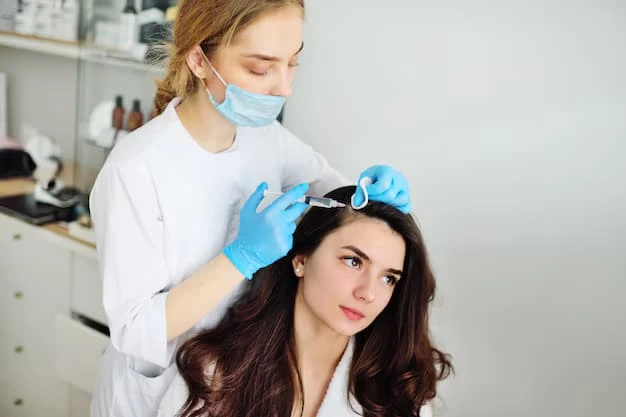
PRF is injected into areas of thinning hair using precise techniques to ensure optimal stimulation of follicles. The procedure typically lasts 30 to 90 minutes and is performed under local anaesthesia for comfort.
Recovery and Downtime
Patients can resume normal activities immediately. Mild redness or tenderness may occur at injection sites but usually resolves within a few hours.
Expected Results
Initial Phase
Within the first few weeks, hair shedding may reduce and scalp health improves, indicating follicle response.
Three to Six Months
New hair growth becomes noticeable. Initially fine hair thickens over time as follicles continue to regenerate.
Six to Twelve Months
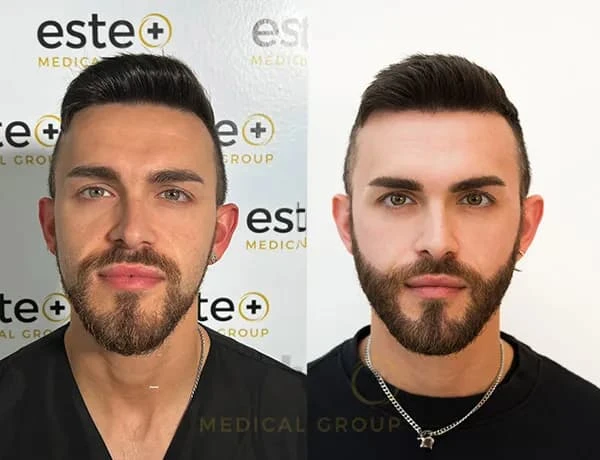
Significant improvements in hair density and overall appearance are typically observed within six to twelve months. Individual results vary depending on hair loss severity and the number of sessions.
Maintenance
Follow up sessions may be recommended to sustain results and enhance long term outcomes. Proper scalp care, nutrition, and lifestyle choices support effectiveness.
Who Can Benefit From PRF Hair Treatment
- Individuals with diffuse thinning
- Early stage hair loss patients
- Those seeking a non surgical alternative to hair transplants
- Individuals looking to complement other hair restoration therapies
Comparing PRF and PRP to Other Hair Restoration Options
Hair Transplants
Hair transplants provide permanent coverage but require donor hair and involve surgery. PRF and PRP therapies are non surgical, focusing on enhancing existing hair naturally.
MCT Therapy
MCT therapy uses stem cell elements alongside growth factors for hair restoration. PRF may be combined with MCT therapy for enhanced results in certain cases.
Choosing the Right Treatment
Selecting the ideal therapy depends on hair loss severity, personal goals, and lifestyle. A professional consultation ensures a tailored plan for optimal results.
Conclusion
Platelet-rich fibrin hair treatment offers a modern, non surgical approach to hair restoration. Compared to PRP, PRF provides sustained release of growth factors, improved regenerative potential, and potentially longer lasting results. It is suitable for individuals with early to moderate hair loss, offering a safe and effective alternative to surgical hair transplants.
For expert guidance and personalised hair restoration solutions, Este Medical Group Cosmetic Surgery provides professional consultation and advanced PRF hair treatment designed to stimulate hair growth, strengthen existing hair, and support lasting confidence.


























Sign in to leave a comment.