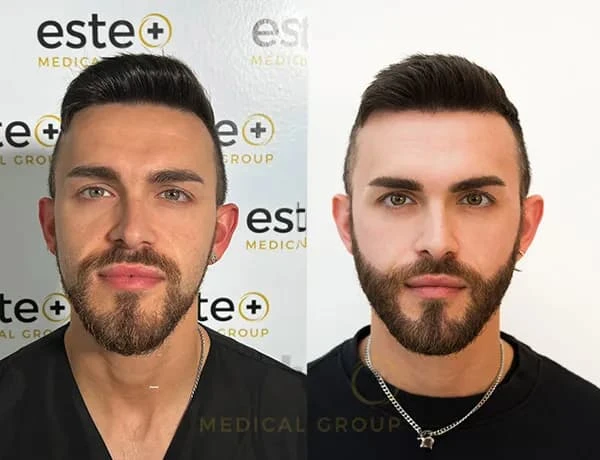
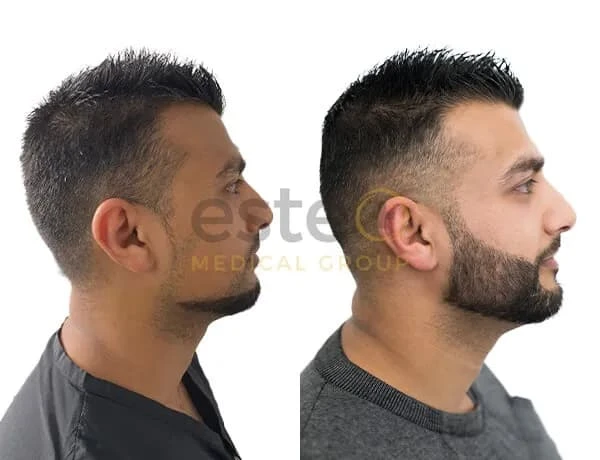
A well defined beard can transform facial appearance, enhance masculinity, and improve self confidence. For men with patchy growth, scars, or naturally sparse facial hair, a beard hair transplant offers a reliable and permanent solution. Procedure day is often filled with anticipation, curiosity, and sometimes anxiety, especially for those undergoing surgery for the first time. Understanding each step of the process helps reduce stress and allows patients to feel prepared, comfortable, and confident about the journey ahead.
This article explains in detail what typically happens on the day of the procedure, from arrival at the clinic to post procedure instructions before heading home.
Preparing for Arrival at the Clinic
Pre Procedure Guidelines
Before the scheduled day, patients usually receive detailed instructions to follow. These guidelines are essential for safety and optimal results.
They may include:
Avoiding alcohol and smoking for several days beforehand
Stopping certain medications or supplements that can increase bleeding
Washing the face and scalp thoroughly on the morning of surgery
Eating a light meal before arrival since the procedure can take many hours
Wearing comfortable clothing that does not need to be pulled over the head
Following these instructions helps minimize complications and ensures a smooth surgical experience.
Emotional Preparation
Many patients feel a mixture of excitement and nervousness. This is completely normal. Knowing that the procedure is minimally invasive and performed under local anesthesia often helps ease concerns. Clinics typically maintain a calm environment to make patients feel relaxed from the moment they arrive.
Initial Consultation on Procedure Day
Review of Medical History
Even though prior consultations have taken place, the surgical team usually reviews the patient’s medical history again. This confirms there have been no recent illnesses, medication changes, or new health concerns.
Vital signs such as blood pressure and heart rate may also be checked to ensure the patient is fit for the procedure.
Discussion of Goals and Expectations
The surgeon will revisit the desired beard style, density, and shape. This step ensures that both patient and surgeon share the same vision. Some men want a full thick beard, while others prefer subtle filling of patchy areas or scar coverage.
Open communication at this stage is crucial for achieving natural looking results.
Designing the Beard
Facial Analysis
A successful transplant depends heavily on artistic planning. The surgeon carefully studies facial structure, jawline, chin shape, and existing hair pattern.
Key considerations include:
Natural growth direction of facial hair
Symmetry between both sides of the face
Age appropriate density
Ethnic characteristics and natural beard style
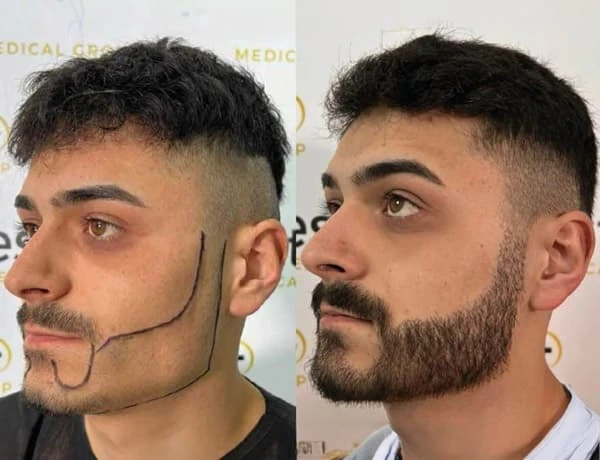
Marking the Transplant Area
Using a surgical marker, the surgeon outlines the proposed beard shape directly on the face. This visual guide allows the patient to see how the final result will look.
Adjustments can be made at this point until the patient is completely satisfied.
Common areas treated include:
Cheeks
Jawline
Chin
Mustache area
Sideburns
Photographs are often taken for medical records and progress comparison.
Preparing the Donor Area
Selecting Donor Hair
Hair for transplantation is typically taken from the back or sides of the scalp. This region contains follicles that are genetically resistant to hair loss and closely match beard hair in texture.
Trimming and Cleaning
The donor area is trimmed to allow precise extraction of hair follicles. The skin is then cleaned with antiseptic solution to prevent infection.
Administering Local Anesthesia
Local anesthesia is injected into the donor area to numb the skin completely. Patients may feel brief pinching sensations during injections, but discomfort quickly subsides as numbness sets in.
Once anesthesia takes effect, the patient remains awake but pain free throughout the procedure.
Harvesting Hair Follicles
Extraction Technique
Most modern beard transplants use Follicular Unit Extraction, commonly known as FUE. In this technique, individual hair follicles are removed one by one using a specialized micro instrument.
Benefits of this method include:
Minimal scarring
Faster healing
Natural looking results
Greater precision
Preservation of Grafts
Each extracted follicle is carefully inspected and placed in a special solution to keep it healthy until implantation. Proper handling is essential because the survival of these grafts determines the final outcome.
This phase can take several hours depending on the number of grafts required.
Preparing the Recipient Area
Numbing the Face
Local anesthesia is also applied to the beard area. Similar to the donor region, patients may feel mild pressure or brief stinging during injections, followed by complete numbness.
Creating Tiny Incisions
The surgeon creates thousands of microscopic channels in the skin where each hair follicle will be placed. The angle, depth, and direction of these incisions are critical.
Natural beard hair grows at very specific angles that vary across different parts of the face. For example:
Cheek hair grows downward and slightly outward
Mustache hair grows more horizontally
Chin hair tends to grow forward
Accurate placement ensures the transplanted hair blends seamlessly with existing facial hair.
Implanting the Hair Follicles
Precision Placement
Technicians or the surgeon insert each follicle into the prepared sites one by one. This step requires exceptional attention to detail because density, spacing, and direction determine how natural the beard will appear.
The process is meticulous and time consuming. Depending on the size of the transplant, implantation alone may take several hours.
Ensuring Natural Density
Not all areas receive the same number of grafts. The surgeon strategically distributes follicles to mimic natural beard patterns. Denser placement may be used along the jawline and chin, while cheeks may have slightly lighter coverage for realism.
Comfort During the Procedure
What the Patient Experiences
Patients remain awake throughout the surgery but should not feel pain due to anesthesia. Many clinics allow activities such as:
Watching movies or television
Listening to music or podcasts
Using a mobile device
Conversing with staff
Some patients even nap during parts of the procedure.
Breaks and Refreshments
Because the surgery can last anywhere from four to eight hours or longer, scheduled breaks are provided. Patients can stretch, use the restroom, and have light snacks or drinks as permitted.
Final Steps Before Completion
Cleaning and Dressing
Once implantation is complete, the treated areas are gently cleaned. The donor region may be covered with a light dressing, while the face is usually left uncovered.
Small scabs or redness are normal and expected.
Post Procedure Instructions
The medical team provides detailed guidance for recovery at home. These instructions are vital for protecting newly transplanted grafts.
Typical advice includes:
Avoid touching or rubbing the beard area
Sleep with the head elevated for several nights
Refrain from strenuous activity for about a week
Avoid shaving until cleared by the surgeon
Follow prescribed medications or topical treatments
Patients are also informed about the normal healing timeline.
What Happens After Leaving the Clinic
Immediate Appearance
Right after the procedure, the beard area may appear red, swollen, or dotted with tiny crusts. This is temporary and part of the healing process.
Shedding Phase
Within a few weeks, transplanted hairs usually fall out. This can be alarming but is completely normal. The follicles remain beneath the skin and will produce new hair in the coming months.
Growth Timeline
New beard growth typically begins around three to four months after surgery. Significant improvement becomes visible by six months, with full results developing over twelve months or longer.
Patience is essential because facial hair grows in cycles.
Tips for a Smooth Recovery
Protecting the Grafts
The first ten days are the most critical. Gentle care ensures graft survival and optimal results.
Key precautions include:
Avoiding sun exposure
Not picking at scabs
Following cleaning instructions carefully
Managing Swelling and Discomfort
Mild swelling around the face or under the eyes may occur. Cold compresses applied to the forehead, not directly on the beard, can help reduce swelling.
Any discomfort is usually manageable with prescribed medication.
Maintaining Long Term Results
Once growth is established, transplanted beard hair behaves like natural facial hair. Patients can trim, shave, and style it as desired.
Healthy lifestyle habits such as proper nutrition and avoiding smoking also support strong hair growth.
Psychological Benefits of the Procedure
Beyond physical transformation, many men experience significant improvements in self esteem and social confidence. A fuller beard can help conceal scars, balance facial features, and create a more mature appearance.
Understanding the procedure day process often reassures patients that the journey is structured, controlled, and performed with great care.
Conclusion
Procedure day for a beard transplant is a carefully planned sequence of steps designed to ensure safety, comfort, and natural results. From consultation and design to follicle extraction and implantation, every phase requires precision and expertise. Although the surgery can be lengthy, it is generally well tolerated and minimally invasive. With proper aftercare and patience during the growth phase, patients can achieve a permanent, natural looking beard that enhances both appearance and confidence.

























Sign in to leave a comment.