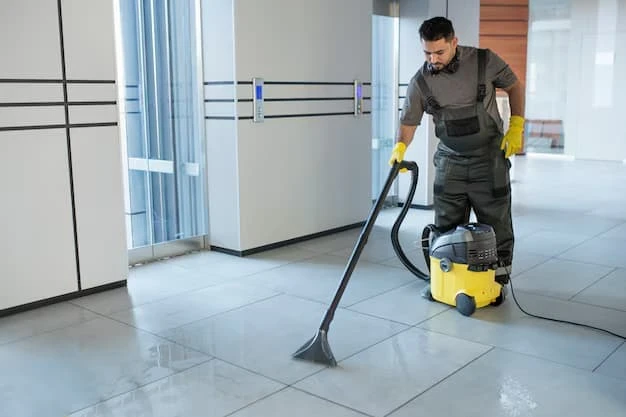

Floors are among the most noticeable features in any building, influencing both its appearance and hygiene. Over time, even with regular sweeping and mopping, dirt, grime, and residue accumulate in ways that daily cleaning cannot address. This buildup not only dulls the shine of the floors but can also damage surfaces if not properly treated. That is where deep floor cleaning becomes essential.
Professional deep floor cleaning goes beyond surface-level maintenance to restore the natural beauty of tile, wood, and concrete floors. Through specialized equipment, safe cleaning agents, and proven techniques, this service removes stubborn stains, embedded dirt, and bacteria, leaving floors spotless, sanitized, and looking new again.
What Is Deep Floor Cleaning?
Deep floor cleaning is an intensive process designed to eliminate deeply embedded dirt, grime, and contaminants from flooring surfaces. It is far more comprehensive than standard mopping or sweeping, using professional-grade tools and cleaning products to reach layers that everyday cleaning cannot.
This service targets high-traffic areas that accumulate buildup over time, such as office corridors, lobbies, restaurants, schools, and retail spaces. By removing dirt that regular cleaning leaves behind, deep cleaning not only improves appearance but also extends the life of the flooring.
Why Regular Cleaning Is Not Enough
Even with consistent daily cleaning routines, floors gradually lose their shine due to dust, spills, and the microscopic debris that becomes trapped in cracks and pores. Mops and vacuums often fail to reach these particles, especially on textured or porous surfaces like grout lines or unsealed concrete.
Over time, this buildup leads to discoloration, sticky residues, and even foul odors. Deep floor cleaning provides a solution by penetrating beneath the surface to remove grime, restore original finishes, and sanitize floors for a truly refreshed result.
Types of Floors That Benefit from Deep Cleaning
Each type of flooring has its own unique properties and cleaning requirements. A professional deep floor cleaning service customizes its approach based on the material to ensure safe and effective results.
1. Tile Floors
Tile flooring is durable and stylish but can lose its luster due to dirt and grime settling into grout lines. Regular mopping often pushes debris deeper into these tiny crevices, making them appear darker over time.
A deep cleaning for tile floors typically includes specialized scrubbing equipment and cleaning solutions that lift dirt from grout and tile surfaces. The process restores the brightness of the grout and brings back the tile’s natural sheen.
2. Hardwood Floors
Hardwood floors add warmth and elegance to any space, but they require careful maintenance. Over time, dust, oils, and moisture can seep into the wood grain, dulling its finish and causing potential long-term damage.
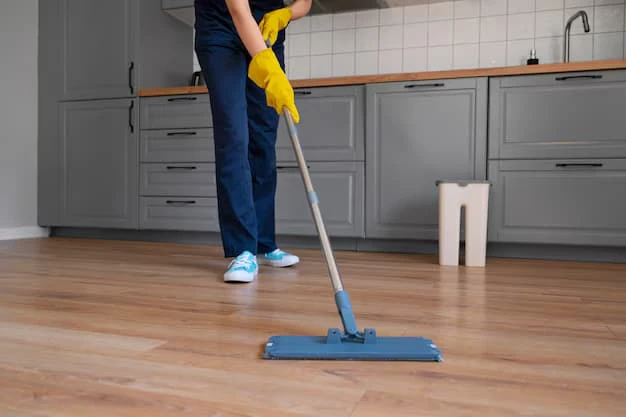
Deep cleaning for wood floors uses gentle yet powerful cleaning agents designed specifically for wooden surfaces. This process removes buildup without stripping the protective coating, restoring the floor’s rich color and shine.
3. Concrete Floors
Concrete is strong and resilient but porous, meaning it easily absorbs dirt, oil, and moisture. Without proper cleaning, it can develop stains and discoloration that are difficult to remove.
Deep cleaning concrete floors involves specialized scrubbing machines and industrial-grade cleaners that break down stubborn residues. Once cleaned, a sealing treatment may be applied to protect against future staining and make maintenance easier.
The Deep Floor Cleaning Process
A professional deep cleaning follows a structured, step-by-step approach to ensure thorough results for every type of flooring.
1. Initial Inspection and Assessment
Before cleaning begins, the flooring is evaluated to identify its material, condition, and any specific problem areas such as stains, scratches, or worn finishes. This step ensures the correct cleaning methods and products are selected.
2. Surface Preparation
Furniture and obstacles are moved to create a clear workspace. The floor is then swept or vacuumed to remove loose debris and dust, preparing it for deeper treatment.
3. Application of Cleaning Solution
A specialized cleaning solution is applied to loosen dirt, grime, and stains. The type of cleaner used depends on the flooring material to prevent damage or discoloration.
4. Machine Scrubbing or Agitation
Professional floor scrubbers or rotary machines are used to agitate the surface gently but effectively. This process removes embedded dirt and restores the original texture and color of the flooring.
5. Rinsing and Extraction
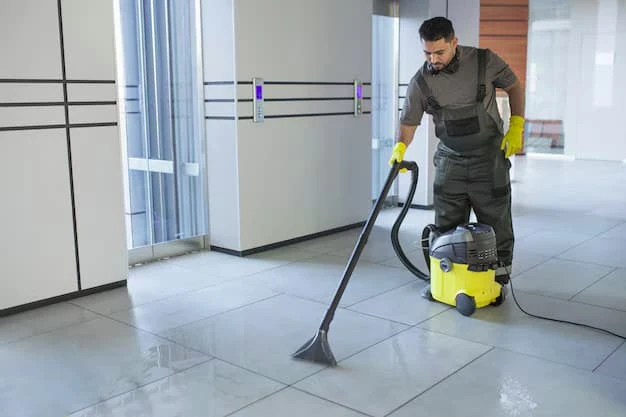
After scrubbing, the cleaning solution and lifted dirt are extracted using powerful suction equipment. This step ensures no residue remains on the floor, leaving it clean and free of buildup.
6. Drying and Final Inspection
Once cleaned, the floor is thoroughly dried to prevent moisture-related issues. A final inspection ensures the cleaning meets quality standards and that the surface has regained its natural shine.
Benefits of Professional Deep Floor Cleaning
Investing in professional deep floor cleaning offers numerous benefits beyond just visual appeal.
1. Improved Appearance
Deep cleaning restores the floor’s natural color and shine, removing discoloration and dullness caused by accumulated dirt and residue.
2. Healthier Indoor Environment
Floors often harbor dust, allergens, and bacteria that contribute to poor indoor air quality. Deep cleaning eliminates these contaminants, promoting a healthier workspace or living environment.
3. Extended Floor Lifespan
Regular deep cleaning prevents wear and tear by removing abrasive dirt particles that can scratch and damage surfaces over time. This preservation helps extend the life of your flooring investment.
4. Enhanced Safety
Slippery residues from spills or cleaning products can pose a safety hazard. Deep cleaning removes these residues, improving traction and reducing the risk of slips and falls.
5. Cost-Effective Maintenance
By maintaining floors properly through periodic deep cleaning, businesses and homeowners can avoid the expense of premature replacements or major repairs.
When to Schedule Deep Floor Cleaning
The frequency of deep floor cleaning depends on foot traffic, type of flooring, and overall maintenance habits.
1. High-Traffic Areas
Spaces like lobbies, hallways, and retail areas may require deep cleaning every few months to maintain appearance and hygiene.
2. Medium-Traffic Environments
Offices or smaller commercial spaces may benefit from a professional deep clean every six months.
3. Low-Traffic Areas
Residential or lightly used spaces can typically schedule deep floor cleaning once or twice a year for optimal results.
Regular maintenance cleaning between deep cleanings can further extend the results and keep floors looking their best.
Why Hire Professionals for Deep Floor Cleaning
While some may attempt deep cleaning using rental machines or household products, professional services deliver superior results safely and efficiently.
1. Specialized Equipment
Professionals use industrial-grade scrubbers, extractors, and drying machines that clean more thoroughly than standard tools.
2. Expertise and Training
Certified technicians understand how to clean different flooring materials without causing damage, ensuring each surface receives proper care.
3. High-Quality Cleaning Products
Commercial-grade cleaning solutions are both effective and safe for a variety of floor types, offering a deeper clean without harsh side effects.
4. Time and Cost Efficiency
Hiring professionals saves valuable time while delivering lasting results that extend the life of your floors and reduce long-term maintenance costs.
Tips to Maintain Floors After Deep Cleaning
Once the floors are freshly cleaned, regular upkeep is key to preserving their appearance.
1. Use Entry Mats
Placing mats at entrances helps trap dirt and debris before it reaches the floors.
2. Sweep and Mop Regularly
Frequent sweeping and damp mopping prevent dirt buildup between deep cleaning sessions.
3. Clean Spills Immediately
Addressing spills as soon as they happen prevents stains and damage, especially on wood or tile surfaces.
4. Avoid Harsh Chemicals
Use gentle cleaning products designed for your specific flooring type to prevent damage or discoloration.
5. Schedule Routine Maintenance
Periodic professional inspections help identify and address small issues before they become major problems.
Conclusion
Deep floor cleaning is a vital part of maintaining the beauty, safety, and longevity of any flooring surface. By removing embedded dirt, grime, and bacteria, it restores shine and improves overall hygiene. Whether for tile, wood, or concrete, professional cleaning ensures every inch of flooring looks refreshed and well cared for.
For expert and dependable deep floor cleaning services that bring your floors back to life, All Building Cleaning Corp offers professional solutions tailored to meet the needs of businesses and property owners seeking excellence in cleanliness and care.

































Sign in to leave a comment.