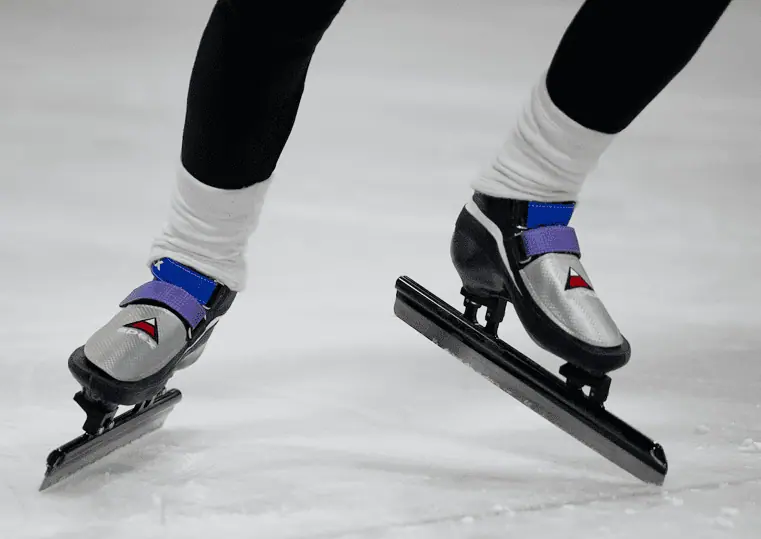

Speed skating is all about precision, power, and pushing limits. Whether you're racing on ice or flying around a roller track, one thing remains crucial—safety. A speed skating helmet isn’t just an accessory; it’s a must-have for protecting your head while optimizing performance. Skaters reach intense speeds, and a small misstep can lead to serious falls. The right helmet can differentiate between a minor bump and a life-changing injury.
Why Helmets Matter in Speed Skating
Speed skating is one of the fastest sports on ice and wheels. Skaters move at lightning speeds, often inches away from their competitors. The risk of collisions, falls, or even hitting barriers is always present. A speed skating helmet acts as the first line of defense, absorbing impact and reducing the risk of head injuries.
Without proper head protection, a fall could result in:
- Concussions – A hard impact can cause a concussion, leading to headaches, dizziness, and long-term cognitive issues.
- Skull fractures – High-speed crashes can lead to serious fractures, which can be life-threatening.
- Brain injuries – Severe impacts may cause traumatic brain injuries (TBIs), affecting motor skills, memory, and overall well-being.
Helmets won’t prevent accidents, but they can reduce the severity of injuries. That’s why they’re a mandatory part of speed skating gear.
What Makes a Good Speed Skating Helmet?
Not all helmets are created equal. Speed skaters need helmets that offer protection without slowing them down. Here’s what to look for:
- Aerodynamic Design – A sleek, lightweight helmet reduces wind resistance, helping skaters maintain speed.
- Impact Resistance – Helmets should meet safety certifications to absorb impact from falls or collisions.
- Snug Fit – A loose helmet can shift during a race, affecting vision and stability. The perfect fit ensures maximum protection.
- Ventilation – Speed skating is intense, and overheating can affect performance. Proper airflow keeps skaters cool and focused.
- Lightweight Material – Bulky helmets can be a drag. The best options offer protection without adding unnecessary weight.
How Helmets Improve Speed and Performance
Many athletes worry that helmets might slow them down, but the right design does the opposite. A well-fitted speed skating helmet enhances performance by:
- Reducing air resistance – Aerodynamically designed helmets cut through the wind, allowing skaters to move faster with less effort.
- Boosting confidence – Knowing your head is protected lets you focus on technique instead of fearing a fall.
- Improving concentration – With proper ventilation and a comfortable fit, skaters can stay sharp without distractions.
Speed is important, but safety is the key to longevity in the sport. A well-chosen helmet ensures both.
Common Mistakes When Choosing a Speed Skating Helmet
Many skaters, especially beginners, make simple mistakes when picking a helmet. Avoid these pitfalls to ensure maximum protection and performance:
- Choosing style over safety – A helmet might look cool, but it's not worth the risk if it doesn’t meet safety standards.
- Wearing the wrong size – A loose or overly tight helmet won’t provide proper protection. Always check the fit before hitting the track.
- Skipping maintenance – Helmets wear down over time. Cracks, dents, or loose straps mean it’s time for a replacement.
- Ignoring safety certifications – Ensure the helmet meets industry safety standards before purchasing.
A helmet is an investment in your safety, and choosing the right one can prevent serious injuries and keep you skating at your best.
When to Replace Your Speed Skating Helmet
Helmets don’t last forever. Over time, materials weaken, and protective layers break down. Knowing when to replace your helmet is crucial to ensure it still offers top-level protection. Signs it’s time for a new one include:
- Visible damage – Cracks, dents, or deep scratches mean the helmet is no longer effective.
- Loose fit – The helmet won't stay secure if the straps or padding have worn out.
- Past its lifespan – Most helmets should be replaced every 3-5 years, even if they haven’t been in a crash.
- After a hard fall – Helmets are designed to absorb one major impact. If you’ve had a bad fall, get a new one—even if it looks fine.
Taking care of your helmet ensures it takes care of you when you need it most.
Final Thoughts
Speed skating is exhilarating, but safety should never take a back seat. A speed skating helmet isn’t just a requirement—it’s a game-changer. It protects against serious injuries while helping skaters perform at their best. The right helmet offers protection, comfort, and aerodynamic efficiency, making it a must-have for anyone serious about the sport.




























Sign in to leave a comment.