

In the fast-paced world of design, where innovation is key and user satisfaction is paramount, the ability to test and iterate on ideas efficiently is crucial. One powerful tool in a designer's arsenal is prototyping. Prototyping allows designers to bring their concepts to life before committing to a full-scale build, enabling them to gather valuable feedback and refine their ideas. In this article, we'll explore the significance of prototyping and provide insights into how you can effectively test your design ideas before diving into the development phase.
Understanding the Power of Prototyping
Prototyping is the process of creating a preliminary model or representation of a product to test and validate design assumptions. It serves as a tangible, interactive version of your concept, allowing stakeholders and end-users to experience the design firsthand. By simulating the user journey and interactions, prototyping bridges the gap between conceptualization and implementation.
Benefits of Prototyping
Early Validation: Prototyping enables designers to validate their assumptions and gather feedback at an early stage. This early validation helps identify potential issues and ensures that the final product aligns with user expectations.Cost Savings: Discovering and addressing design flaws during the prototyping phase is significantly more cost-effective than making changes after the development has begun. Prototyping minimizes the risk of costly redesigns and modifications.Effective Communication: Prototypes serve as a common language between designers, developers, and stakeholders. They provide a tangible reference point, making it easier for all parties to discuss and understand the proposed design.Prototyping Methods
1. Paper Prototyping:
Use sketches and paper cutouts to create a low-fidelity representation of your design.Ideal for brainstorming and quick iterations.2. Wireframing:
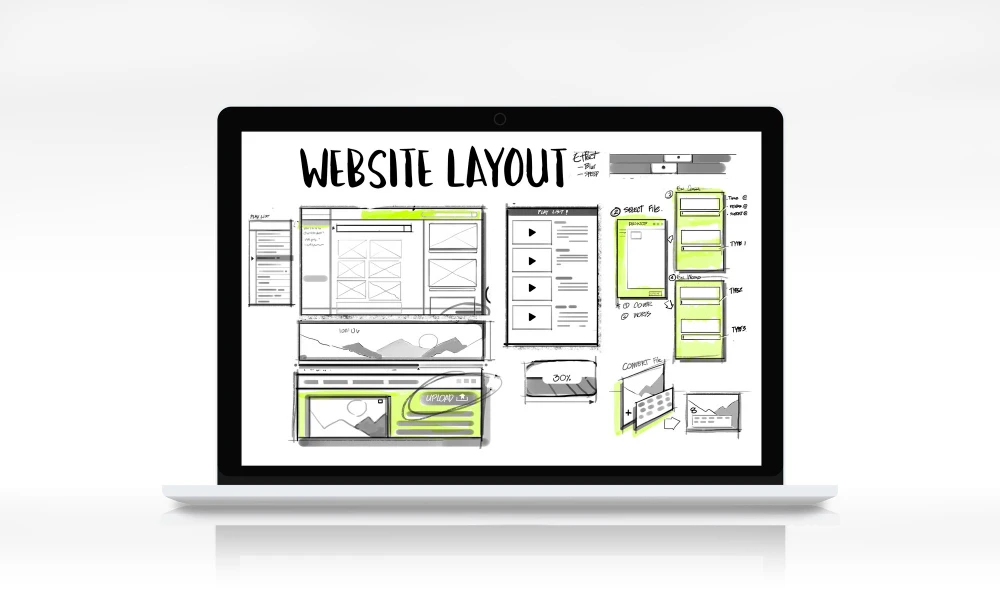
Develop a basic visual structure of your design without detailed aesthetics.Focus on layout, navigation, and content hierarchy.3. Interactive Prototypes:
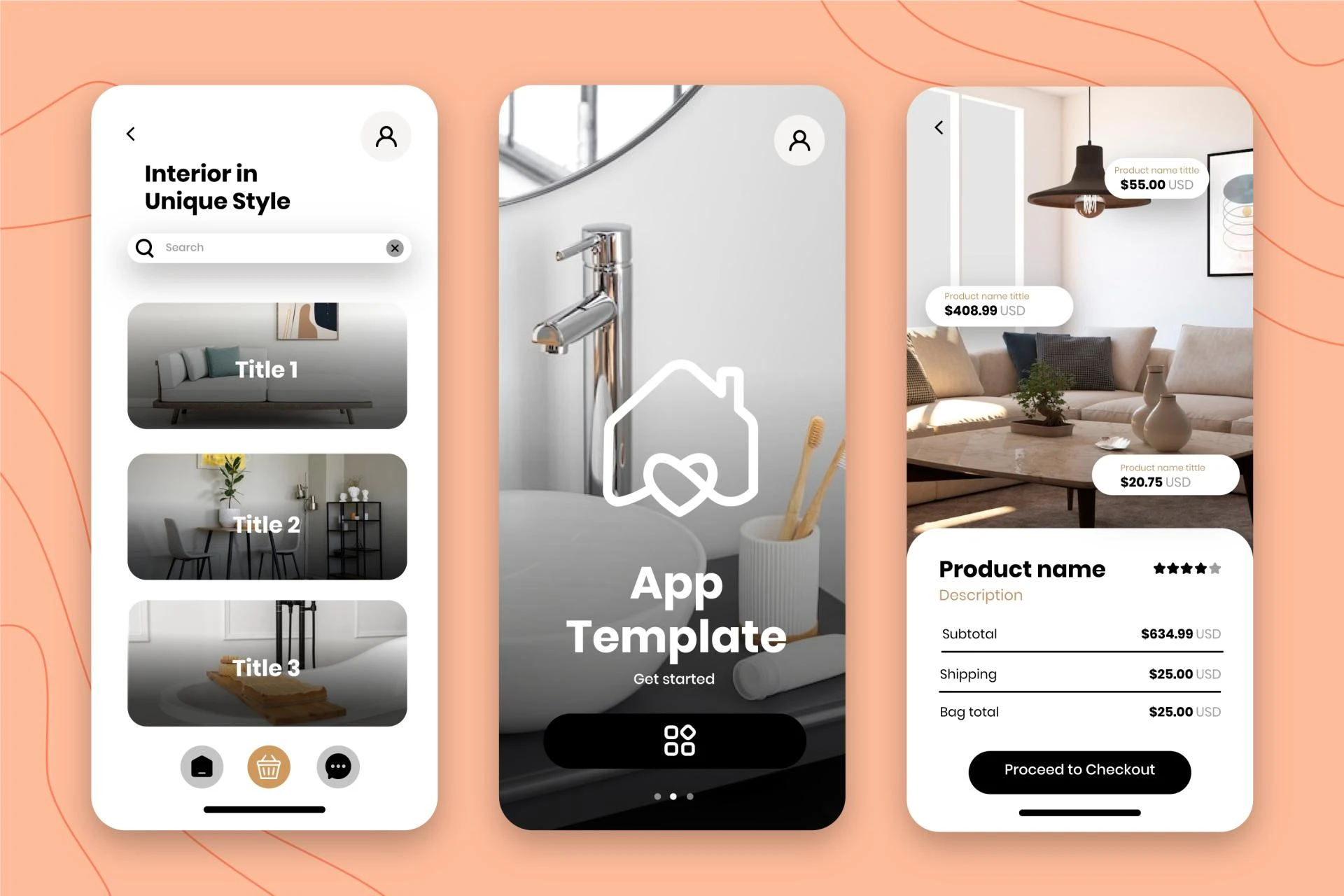
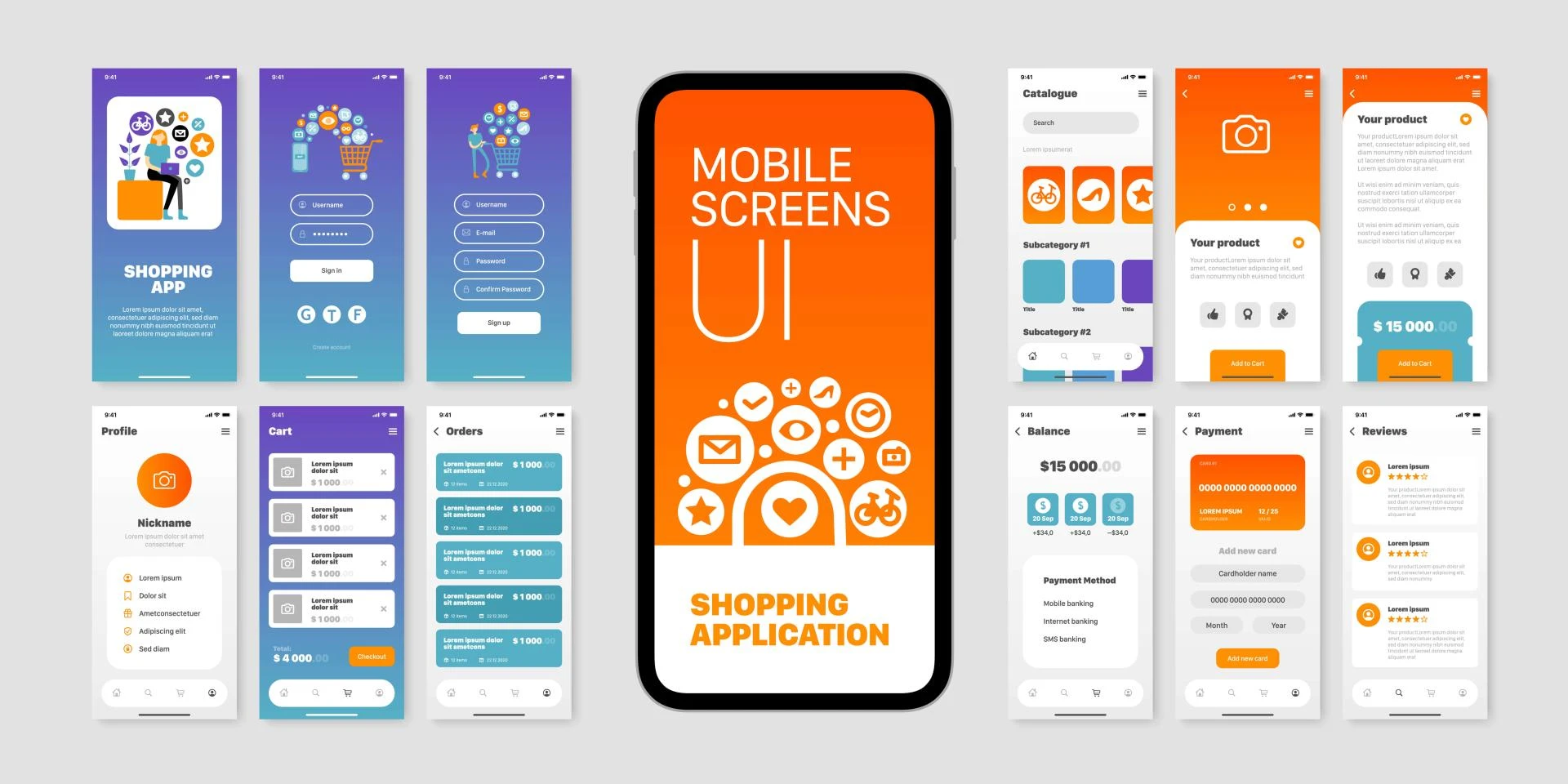
Leverage prototyping tools to create clickable, interactive models.Mimic user interactions and test the flow of your design.Tips for Effective Prototyping
Set Clear Objectives: Define the goals and expectations of your prototype before you begin. What specific aspects of the design do you want to test?Involve Stakeholders Early: Collaborate with stakeholders and gather their input during the prototyping phase. Their perspectives can provide valuable insights and shape the direction of your design.Iterate Based on Feedback: Act on the feedback received from users and stakeholders. Use this information to refine your prototype and address any identified issues.Utilize Prototyping Tools: Explore a variety of prototyping tools such as Figma, Sketch, or Adobe XD to streamline the process and create more polished, interactive prototypes.Conclusion
Prototyping is a powerful strategy for designers aiming to create user-centric and effective solutions. By testing your design ideas before committing to development, you can save time, reduce costs, and ensure that the final product meets user expectations. Embrace prototyping as an integral part of your design process, and watch as your ideas evolve into impactful, user-friendly experiences.
Visit my Upwork profile for — UI/UX design, Web Design & Mobile design
Check out my amazing project catalog — iOS or Android Mobile APP UX/UI Design, Responsive website design & Crypto & NFT Mobile App UI Design
























Sign in to leave a comment.