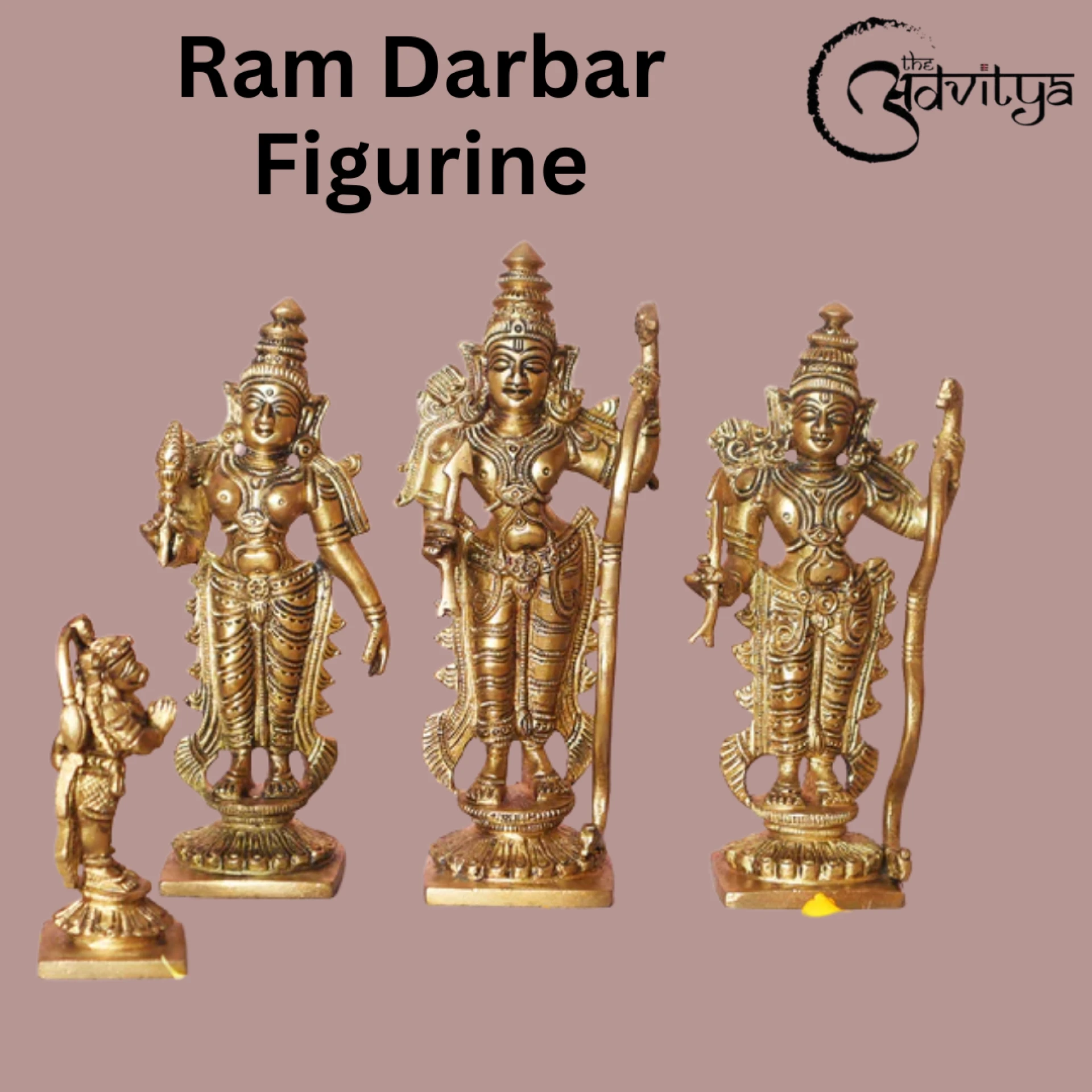

In Indian spiritual thought, Ram Darbar is not merely a divine tableau—it is a living philosophy. Depicting Lord Ram seated on the throne with Sita, Lakshman, Bharata, Shatrughna, and Hanuman, Ram Darbar represents the highest ideal of dharma, governance, devotion, and moral conduct. At its heart lies the principle that defines Lord Ram: Maryada Purushottam—the supreme embodiment of righteous boundaries.
Maryada Purushottam: The Ideal Man
Lord Ram is revered as Maryada Purushottam because he upheld dharma even when it demanded personal sacrifice. As a son, he obeyed his father without question. As a husband, he remained steadfast to Sita. As a king, he placed the welfare of his people above his own happiness. Ram Darbar captures this essence—not as a moment of triumph, but as a moment of responsibility.
In Ram Darbar, Ram is not shown wielding weapons, but seated in calm authority. This imagery reinforces the idea that true power lies in restraint, discipline, and moral clarity—the very definition of Maryada.
Ram Darbar: The Ideal Court of Dharma
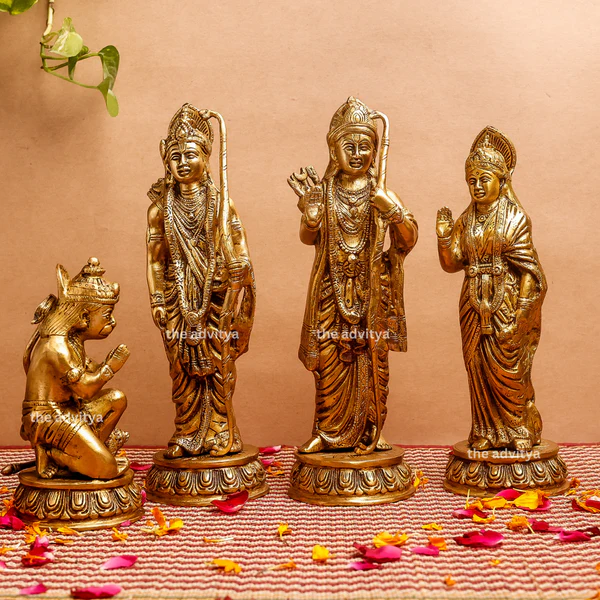
Every figure in Ram Darbar has symbolic significance:
- Lord Ram represents just leadership and ethical governance.
- Sita symbolizes purity, strength, and compassion—equal in dignity and grace.
- Lakshman stands for unwavering duty and service.
- Bharata and Shatrughna embody sacrifice, loyalty, and humility.
- Hanuman, eternally devoted, kneels at Ram’s feet—his presence a reminder that devotion completes dharma.
Together, Ram Darbar becomes a blueprint for an ideal society—where authority is balanced with empathy, and devotion is guided by wisdom.
Hanuman: The Soul of Devotion in Ram Darbar
No Ram Darbar is complete without a Hanuman murti placed in reverence. Hanuman’s folded hands and bowed posture reflect seva bhav - selfless service without expectation. Unlike others, Hanuman seeks no throne, no reward, only the eternal opportunity to serve.
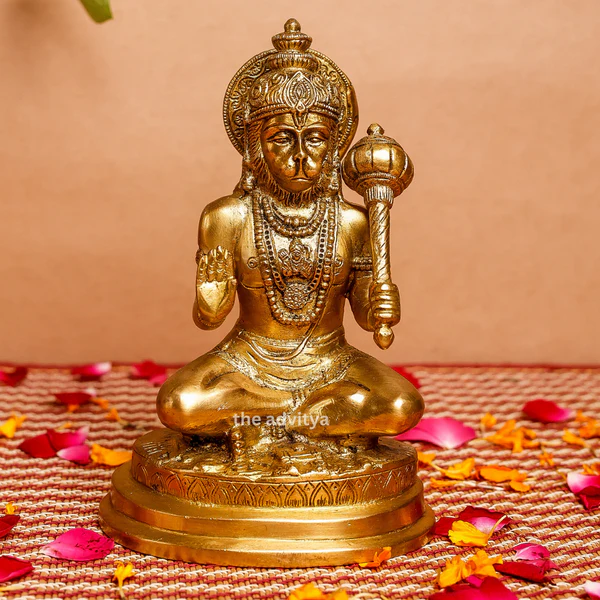
This is why the Hanuman idol often occupies a prominent place near Ram Darbar in temples and homes. It reminds devotees that strength without humility is incomplete, and devotion without ego is the highest virtue.
God Idols as Living Teachings
In Indian tradition, god idols are not decorative objects—they are carriers of values. A Ram Darbar idol placed in a home is believed to inspire harmony, discipline, and moral strength. Families worship Ram Darbar not just for blessings, but to internalize its teachings in daily life—be it relationships, leadership, or personal conduct.
Relevance of Ram Darbar Today
In a world driven by ambition and power, Ram Darbar offers a timeless reminder: leadership must be rooted in ethics, and success must respect boundaries. The concept of Maryada Purushottam is more relevant than ever, teaching us that doing what is right matters more than doing what is easy.
Ram Darbar is thus not confined to temples or scriptures. It is a way of life—one that urges us to act with integrity, serve with devotion, and lead with compassion.
Ram Darbar does not glorify victory—it glorifies values. And in Lord Ram, Maryada Purushottam, we find the eternal guide for righteous living.





























Sign in to leave a comment.