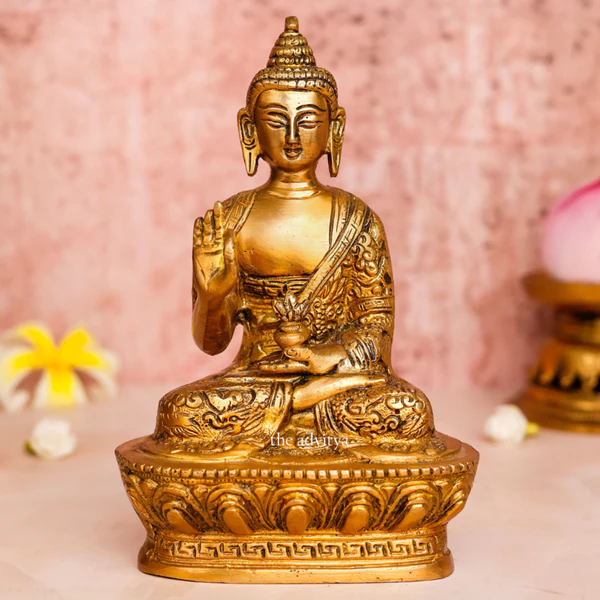

Among the many postures and hand gestures associated with Buddhist art, the Earth-Touching Mudra, also known as Bhumisparsha Mudra, is one of the most powerful and symbolic. Commonly seen in a Lord Buddha statue, this iconic gesture represents the very moment of Buddha’s enlightenment and carries deep spiritual meaning that continues to inspire people across cultures.
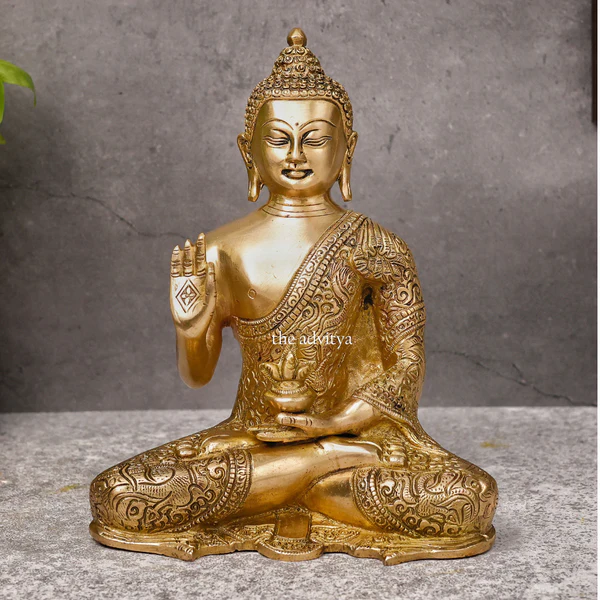
Understanding the Earth-Touching Mudra (Bhumisparsha)
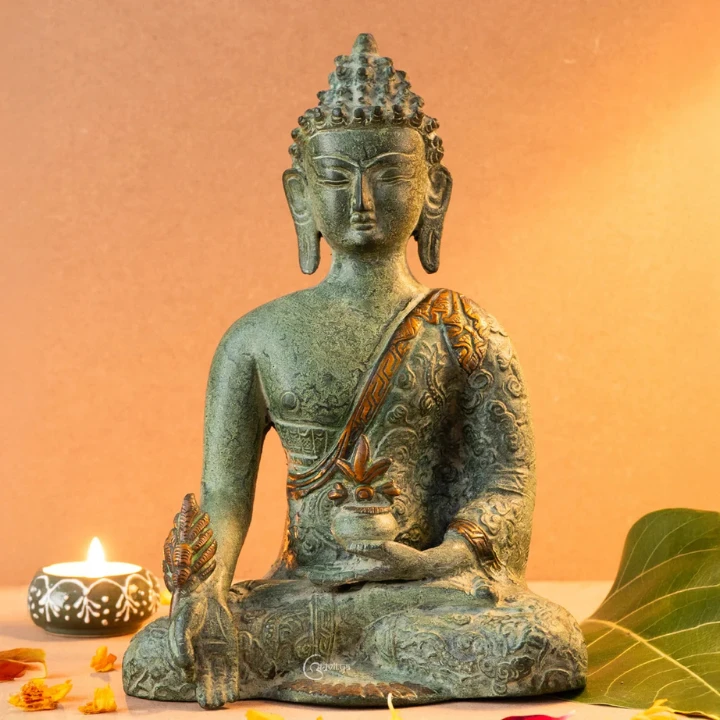
In this mudra, the Buddha is seated in a meditative posture with his right hand reaching down to touch the earth, while the left hand rests gently on his lap. This gesture depicts the historic moment when Siddhartha Gautama attained enlightenment under the Bodhi tree.
As legend narrates, when Mara, the embodiment of illusion and doubt, challenged Buddha’s right to attain enlightenment, Buddha calmly touched the earth to bear witness to his truth and perseverance. The earth responded by acknowledging his countless acts of compassion and discipline, allowing him to triumph over ignorance and desire.
Symbolic Meaning of the Earth-Touching Mudra
The Earth-Touching Mudra holds multiple layers of meaning, making it one of the most revered gestures in Buddhist iconography.
Triumph of Truth Over Illusion
The gesture signifies Buddha’s victory over temptation, fear, and self-doubt. It reminds devotees that truth and inner discipline ultimately overcome negativity.
Grounding and Stability
Touching the earth symbolises grounding oneself in reality. A Buddha statue in this mudra encourages mental balance, emotional stability, and clarity of thought.
Enlightenment and Awakening
This mudra marks the exact moment of awakening, making it a powerful symbol of self-realisation, wisdom, and liberation from suffering.
The Earth-Touching Mudra in Buddha Statues
Most meditative Buddha figures in homes and temples feature this gesture. Whether crafted in stone, metal, or resin, a Buddha murti in the Earth-Touching Mudra is revered for its calming presence and spiritual depth.
A Lord Buddha statue in this posture is often chosen by those seeking peace, focus, and spiritual growth. Its serene expression and symbolic hand placement make it suitable not only for prayer spaces but also as an antique showpiece for living room, blending spirituality with timeless aesthetics.
Why Choose an Earth-Touching Buddha for Your Space?
- Spiritual Significance: Represents enlightenment, determination, and inner strength
- Aesthetic Appeal: Adds a serene, antique charm to interiors
- Positive Energy: Believed to create an atmosphere of calm and mindfulness
- Universal Symbolism: Appreciated by both Buddhists and non-Buddhists alike
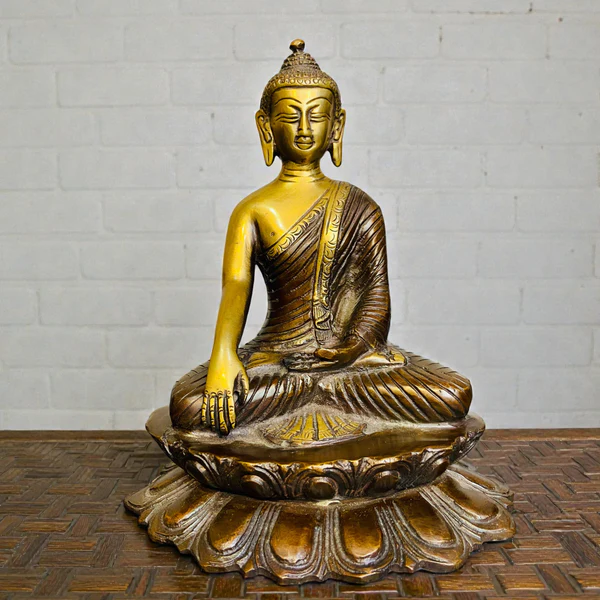
Placing such a Buddha statue in a living room or meditation corner serves as a daily reminder to stay grounded, resilient, and mindful in the face of challenges.
The Earth-Touching Mudra is far more than a graceful hand gesture, it is a profound symbol of enlightenment, truth, and unwavering resolve. A Buddha statue depicting this moment captures the essence of Lord Buddha’s spiritual awakening and brings that energy into the surrounding space.
Whether worshipped, meditated upon, or displayed as an antique showpiece for the living room, a Lord Buddha statue in the Earth-Touching Mudra continues to inspire calmness, wisdom, and inner balance in modern life.



























Sign in to leave a comment.