
The real estate industry has evolved dramatically over the last decade. From managing large-scale property developments to handling rental agreements and client relationships, companies face growing complexities every day. To stay competitive, real estate businesses are turning to real estate ERP systems—comprehensive platforms that integrate all operations into one unified solution.
In this article, we’ll explore what real estate ERP systems are, why they’re essential, the key features to look for, and how they are driving growth for property developers, realtors, and real estate investors alike.
What Are Real Estate ERP Systems?
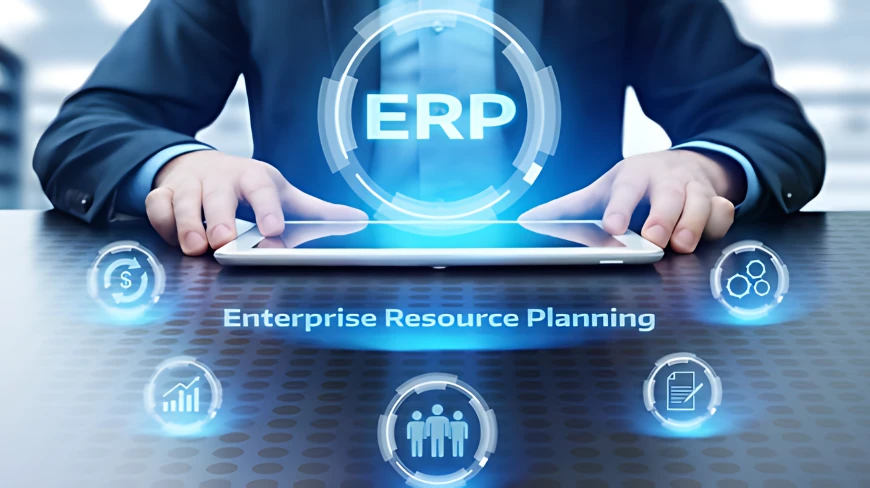
A real estate ERP (Enterprise Resource Planning) system is a software platform designed specifically for the needs of the property sector. Unlike generic ERP solutions, real estate ERP systems focus on streamlining tasks such as property sales, leasing, financial management, customer relationship handling, and project execution.
By integrating all departments—sales, finance, project management, marketing, and facility maintenance—into a single platform, ERP systems allow businesses to operate with higher efficiency, accuracy, and transparency.
Why Real Estate Companies Need ERP Systems
Real estate businesses deal with multiple stakeholders including buyers, tenants, contractors, suppliers, and government authorities. Managing this ecosystem manually or through disconnected software often leads to errors, delays, and missed opportunities.
Here’s why real estate ERP systems are crucial:
- Improved Property Management: Track occupancy, rental agreements, maintenance schedules, and property availability.
- Better Financial Control: Real-time insights into payments, invoicing, loans, and mortgages.
- Stronger Customer Relationships: Manage leads, automate follow-ups, and offer better client experiences.
- Efficient Project Management: Monitor budgets, deadlines, and resource allocation seamlessly.
- Regulatory Compliance: Stay aligned with real estate laws.
Simply put, ERP systems bring all moving parts of a real estate business together, resulting in smarter decision-making and improved profitability.
Key Features of Real Estate ERP Systems
When choosing an ERP solution for the real estate sector, companies should look for features tailored to their business needs. The following are must-have modules:
1. Property & Lease Management
ERP systems help track residential, commercial, and industrial properties, along with lease agreements, tenant details, and rental escalations. Automated reminders reduce the risk of missed payments or renewal delays.
2. Financial & Accounting Management
An integrated financial module ensures accuracy in billing, collections, loan management, and tax compliance. Real-time dashboards provide insights into profitability and cash flow.
3. CRM (Customer Relationship Management)
A dedicated CRM helps nurture leads, manage the sales pipeline, send personalized offers, and track customer interactions throughout the property lifecycle.
4. Project & Construction Management
From land acquisition to project completion, ERP systems allow developers to manage budgets, contractors, material supplies, and timelines with precision.
5. Sales & Marketing Automation
Real estate ERP systems integrate with websites and property listing portals, enabling online bookings, digital campaigns, and seamless client communication.
6. Facility & Maintenance Management
Property upkeep is essential to retain tenants and buyers. ERP platforms enable scheduling, service requests, vendor management, and preventive maintenance tracking.
7. Document & Compliance Handling
With centralized storage, real estate companies can securely manage deeds, contracts, blueprints, and regulatory documents, reducing legal risks.
Benefits of Implementing Real Estate ERP Systems
Implementing ERP systems in real estate offers several tangible benefits:
- Increased Productivity: Automation reduces manual effort, allowing staff to focus on high-value tasks.
- Enhanced Transparency: All stakeholders, from finance to sales, have access to real-time data.
- Customer Satisfaction: Faster response times and accurate updates improve client trust.
- Cost Savings: Better project control and resource allocation reduce operational waste.
- Scalability: ERP systems grow with the business, supporting expansions into new projects and markets.
Choosing the Right Real Estate ERP System
There are several ERP providers in the market, but selecting the right one depends on business size, operations, and goals. Some leading solutions include:
- Odoo ERP – A customizable and cost-effective ERP widely adopted in real estate for property management, accounting, and CRM.
- SAP – Suitable for large enterprises handling complex portfolios.
- Microsoft Dynamics 365 – Offers strong financial and CRM capabilities for real estate developers.
- Oracle NetSuite – Cloud-based ERP with strong financial management tools.
Small and medium real estate firms often prefer flexible systems like Odoo, which can be tailored to specific workflows and scaled as the business grows.
Future of Real Estate with ERP Systems
With the rise of digital transformation, real estate ERP systems are no longer optional—they are essential. Emerging technologies like AI, IoT, and predictive analytics are further enhancing ERP capabilities. For instance, predictive insights can forecast property demand, while IoT integration can track building maintenance in real time.
In the coming years, we can expect ERP systems to integrate even more deeply with smart city initiatives, virtual property tours, and blockchain-based property transactions.
Final Thoughts
The real estate sector thrives on precision, transparency, and trust. By implementing real estate ERP systems, companies can gain a competitive edge, streamline processes, and deliver exceptional customer experiences.
Whether you are a property developer, realtor, or facility manager, ERP solutions can help transform your business into a more efficient and profitable enterprise.
Looking to implement a powerful ERP for your real estate business?
Banibro IT Solutions offers tailored ERP solutions designed to meet the unique needs of the property sector. From sales automation to property management and financial control, we help real estate companies streamline operations and boost growth.
👉 Get in touch today to explore how ERP can transform your real estate business!
































Sign in to leave a comment.