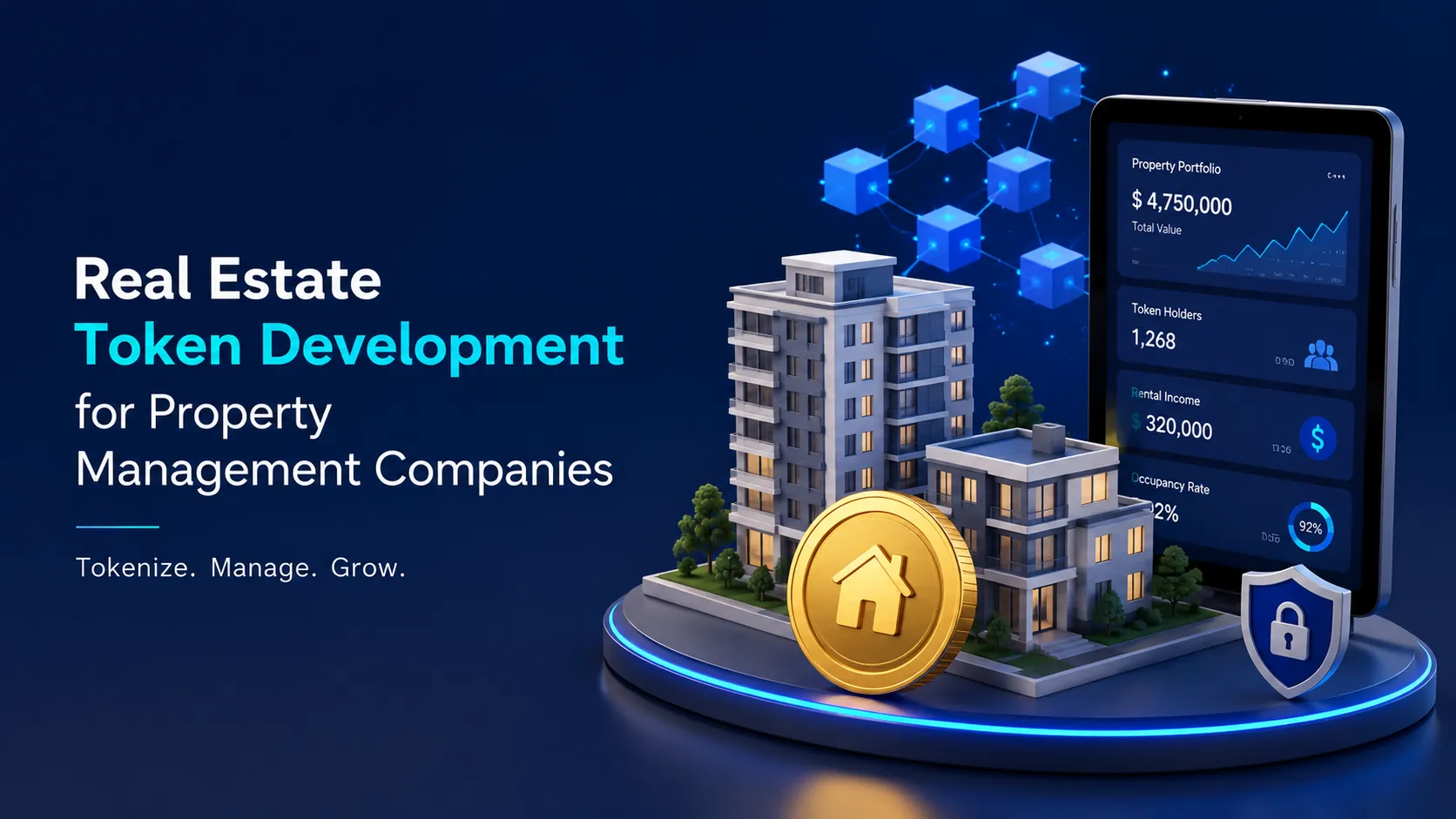

Property management companies are responsible for handling residential communities, commercial buildings, rental portfolios, and mixed-use developments. Their daily work includes rent collection, maintenance coordination, tenant management, financial reporting, ownership records, vendor payments, and compliance. As property portfolios continue to expand, many companies are looking at blockchain-based systems that can support digital ownership records and simplify asset administration.
One area gaining attention is Real Estate Token Development. Instead of treating blockchain only as a financial technology, property management firms are beginning to use digital tokens to represent ownership rights, investment shares, lease interests, or other property-related records. This approach opens new opportunities for property operators, investors, and asset owners while introducing a different way to organize real estate information.
Many organizations are now working with a Real Estate Tokenization company to evaluate how token-based systems can fit into their existing operations. Whether managing apartment buildings, commercial offices, hospitality projects, or industrial properties, tokenization creates new possibilities for ownership distribution, investment participation, and digital record management.
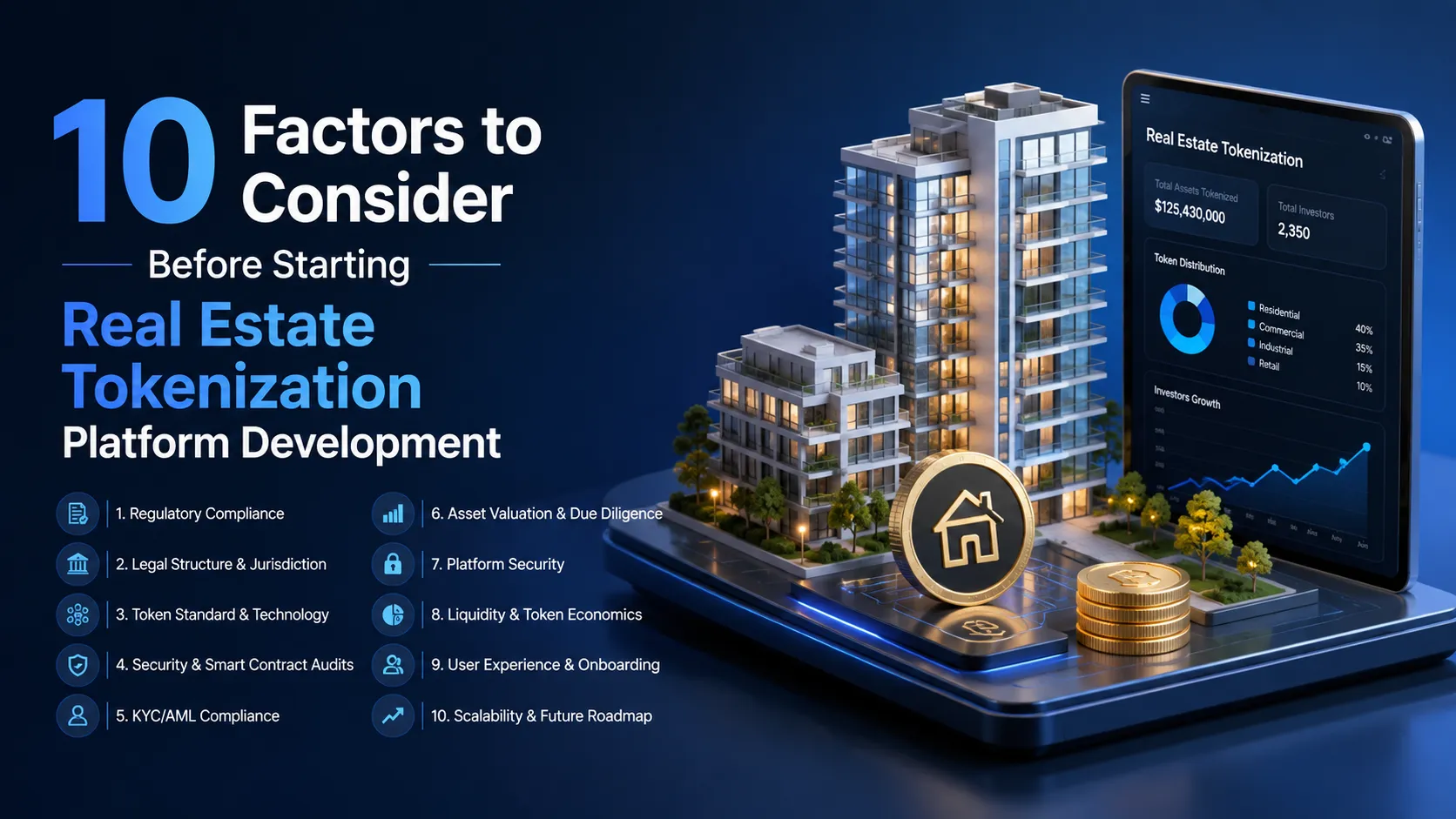
This article explains how Real Estate Token Development benefits property management companies, how the process works, practical applications, development stages, and factors to consider before launching a tokenized property platform.
Why Property Management Companies Are Looking at Token Development
Traditional property management depends on multiple disconnected systems. Ownership records may exist in one platform, lease documents in another, accounting software elsewhere, and investor records in spreadsheets.
Digital tokens introduce another method for representing property interests on blockchain networks.
Instead of replacing every existing process, token development adds another digital layer that records ownership units, investment allocations, and transaction history.
For companies handling multiple assets, this creates a more organized framework for managing information across different stakeholders.
Real Estate Tokenization is becoming part of long-term digital planning because it supports both operational management and investment participation within a single ecosystem.
Understanding Real Estate Token Development
Real Estate Token Development refers to creating blockchain-based digital tokens that represent value connected to physical property.
Depending on business objectives, these tokens may represent:
- Fractional ownership
- Investment participation
- Rental income rights
- Property shares
- Asset-backed digital securities
- Portfolio ownership
- Development project interests
Unlike cryptocurrencies, these tokens are linked to identifiable real estate assets.
Property management companies can issue tokens for existing buildings, new developments, commercial projects, rental portfolios, or mixed asset collections.
This is where real estate asset tokenization becomes useful because physical assets gain a digital representation that investors can purchase, transfer, or manage according to applicable regulations.
Benefits for Property Management Companies
Better Ownership Record Management
Managing ownership records becomes more complicated when multiple investors participate in one property.
Blockchain records maintain transaction history while reducing manual record reconciliation.
Instead of relying entirely on paper documentation, companies maintain digital ownership information that remains available throughout the property's lifecycle.
Fractional Investment Opportunities
Large commercial buildings often require significant capital.
Token development allows ownership to be divided into smaller digital units.
Rather than depending on a limited number of investors, companies may attract participants interested in purchasing smaller ownership portions.
This creates broader investment participation while maintaining structured ownership records.
Easier Distribution of Rental Income
Rental income distribution usually involves accounting processes, payment calculations, and investor reporting.
When token holders represent ownership interests, income allocation can follow predefined business rules established during platform design.
Property managers continue supervising property operations while investor reporting becomes more organized.
Portfolio Expansion
Companies managing several buildings can tokenize multiple assets instead of individual properties.
Different investment pools can represent residential projects, office buildings, hotels, warehouses, or retail centers.
As additional properties enter the portfolio, new token offerings can follow the same operational structure.
Better Investor Experience
Investors increasingly expect online access to investment information.
Tokenized platforms may include:
- Ownership dashboards
- Investment history
- Property reports
- Income statements
- Digital documentation
- Portfolio summaries
This creates a more modern experience without replacing professional property management services.
Real Estate Tokenization and Property Management
Property management extends beyond collecting rent.
Companies supervise maintenance, tenant relationships, financial reporting, insurance coordination, legal documentation, and operational planning.
Real Estate Tokenization introduces digital ownership management alongside these existing responsibilities.
Property managers remain responsible for day-to-day operations while blockchain records represent ownership interests digitally.
This combination allows companies to continue familiar business processes while introducing additional digital investment capabilities.
Many organizations now consider Real Estate Tokenization Services when modernizing long-term asset management strategies.
Property Types Suitable for Token Development
Property management companies oversee different asset categories.
Residential Apartments
Apartment communities can issue digital ownership shares for investment participation.
Commercial Buildings
Office complexes remain popular candidates because of their rental income potential.
Retail Properties
Shopping centers with multiple tenants can support fractional investment structures.
Industrial Assets
Warehouses and logistics facilities continue attracting institutional investors interested in long-term income.
Hotels
Hospitality properties provide another opportunity where investors participate through digital ownership units.
Student Housing
Growing education hubs often require continuous housing investment.
Vacation Properties
Holiday rental portfolios may also benefit from digital ownership structures.
Each project requires business planning before beginning real estate tokenization development.
Development Process for Property Management Companies
Business Planning
Every project begins with identifying objectives.
Companies determine:
- Property type
- Ownership model
- Investor eligibility
- Token utility
- Revenue structure
- Compliance requirements
These decisions influence later development phases.
Asset Evaluation
Property valuation helps determine token pricing.
Professional valuation reports provide information about market value, income potential, liabilities, and ownership structure.
Accurate asset information supports investor confidence.
Legal Structure
Property ownership must comply with applicable regulations.
Legal specialists determine whether tokens represent securities, ownership interests, investment contracts, or other approved structures.
Legal preparation remains one of the most important stages before issuing digital tokens.
Token Design
The token model defines:
- Total supply
- Ownership percentage
- Distribution rules
- Investor rights
- Income allocation
- Governance options
- Transfer conditions
Each project may require different token characteristics depending on business objectives.
Smart Contract Development
Smart contracts automate predefined activities such as:
- Token issuance
- Ownership tracking
- Investor allocation
- Income distribution
- Transaction verification
Extensive testing takes place before deployment.
Platform Integration
Property management software may connect with token management systems.
Possible integrations include:
- Investor portals
- Property dashboards
- Payment gateways
- Identity verification
- Reporting systems
- Accounting software
Real Estate Tokenization Platform Development focuses on creating a connected environment for investors and property managers.
Platform Testing
Before launch, developers evaluate:
- Security
- Performance
- Smart contract accuracy
- User interface
- Transaction processing
- Platform reliability
Testing minimizes operational issues during public use.
Features Property Management Platforms Should Include
A property token platform should provide practical functionality for administrators and investors.
Common features include:
- User registration
- Investor verification
- Property listings
- Digital asset management
- Token purchasing
- Ownership tracking
- Portfolio dashboard
- Income reporting
- Transaction history
- Document storage
- Administrative controls
- Notification system
- Multi-property management
- Audit records
Many businesses seek assistance from a Real Estate Tokenization Development company to include these functions within a single platform.
Challenges Property Management Companies Should Consider
Regulatory Compliance
Real estate investments often fall under financial regulations.
Every jurisdiction has different rules governing digital assets, securities, taxation, and investor participation.
Professional legal guidance remains necessary before launching token offerings.
Property Valuation
Token prices depend on realistic asset valuation.
Frequent market changes may require periodic valuation updates.
Investor Education
Some investors remain unfamiliar with blockchain technology.
Educational resources, onboarding guides, and support documentation help investors understand token ownership.
Technology Maintenance
Platforms require regular updates, monitoring, and maintenance after launch.
Property management companies should plan for long-term operational support.
Cybersecurity
Digital platforms require security reviews, wallet protection, identity verification, and monitoring to reduce operational risks.
Choosing the Right Development Partner
Selecting an experienced development partner affects the success of any tokenization project.
Before selecting a provider, companies should evaluate:
- Blockchain experience
- Previous tokenization projects
- Smart contract expertise
- Security testing methods
- Legal understanding
- Platform integration capabilities
- Technical support
- Maintenance services
Working with a Real Estate Tokenization company offering complete Real Estate Tokenization Development Services helps businesses move through planning, development, testing, deployment, and ongoing maintenance with greater confidence.
Future Outlook
Property management continues moving toward digital operations.
Online leasing, electronic documentation, tenant portals, and automated reporting have already become common in many markets.
Token development represents another stage in this digital progression.
As regulations continue developing across different regions, more organizations may consider tokenized ownership models for residential, commercial, hospitality, and industrial properties.
Real estate asset tokenization is expected to receive greater attention from investment firms, developers, and property management companies seeking alternative ownership structures and broader investor participation.
The combination of blockchain technology and professional property management may introduce new opportunities for both institutional and individual investors while maintaining organized ownership records.
Conclusion
Real Estate Token Development gives property management companies another way to manage ownership records, investment participation, and digital property administration. From fractional ownership and investor management to rental income distribution and portfolio expansion, tokenized property ecosystems continue attracting attention across the real estate sector. Success depends on careful planning, legal compliance, reliable technology, and experienced development support. Blockchain App Factory provides Real Estate Tokenization Development Services that help property management companies plan, develop, launch, and maintain blockchain-based real estate platforms designed for long-term business growth.
FAQs
1. What is Real Estate Token Development?
Real Estate Token Development is the process of creating blockchain-based digital tokens that represent ownership interests, investment shares, or rights connected to physical real estate assets.
2. How can property management companies benefit from Real Estate Tokenization?
Property management companies can improve digital ownership management, support fractional investments, organize investor records, and simplify rental income distribution through Real Estate Tokenization.
3. What types of properties can be tokenized?
Residential apartments, commercial buildings, office spaces, hotels, retail centers, warehouses, industrial facilities, student housing, and vacation properties can all be considered for tokenization depending on legal requirements.
4. Why should businesses work with a Real Estate Tokenization Development company?
A Real Estate Tokenization Development company assists with blockchain development, smart contracts, platform creation, compliance planning, security testing, deployment, and long-term maintenance.
5. What is included in Real Estate Tokenization Platform Development?
Real Estate Tokenization Platform Development generally includes investor dashboards, token management, property listings, payment integration, identity verification, reporting tools, smart contracts, and administrative controls.
6. What are Real Estate Tokenization Services?
Real Estate Tokenization Services include business consultation, blockchain architecture, token creation, smart contract development, platform integration, compliance support, testing, deployment, and ongoing technical maintenance.

























Sign in to leave a comment.