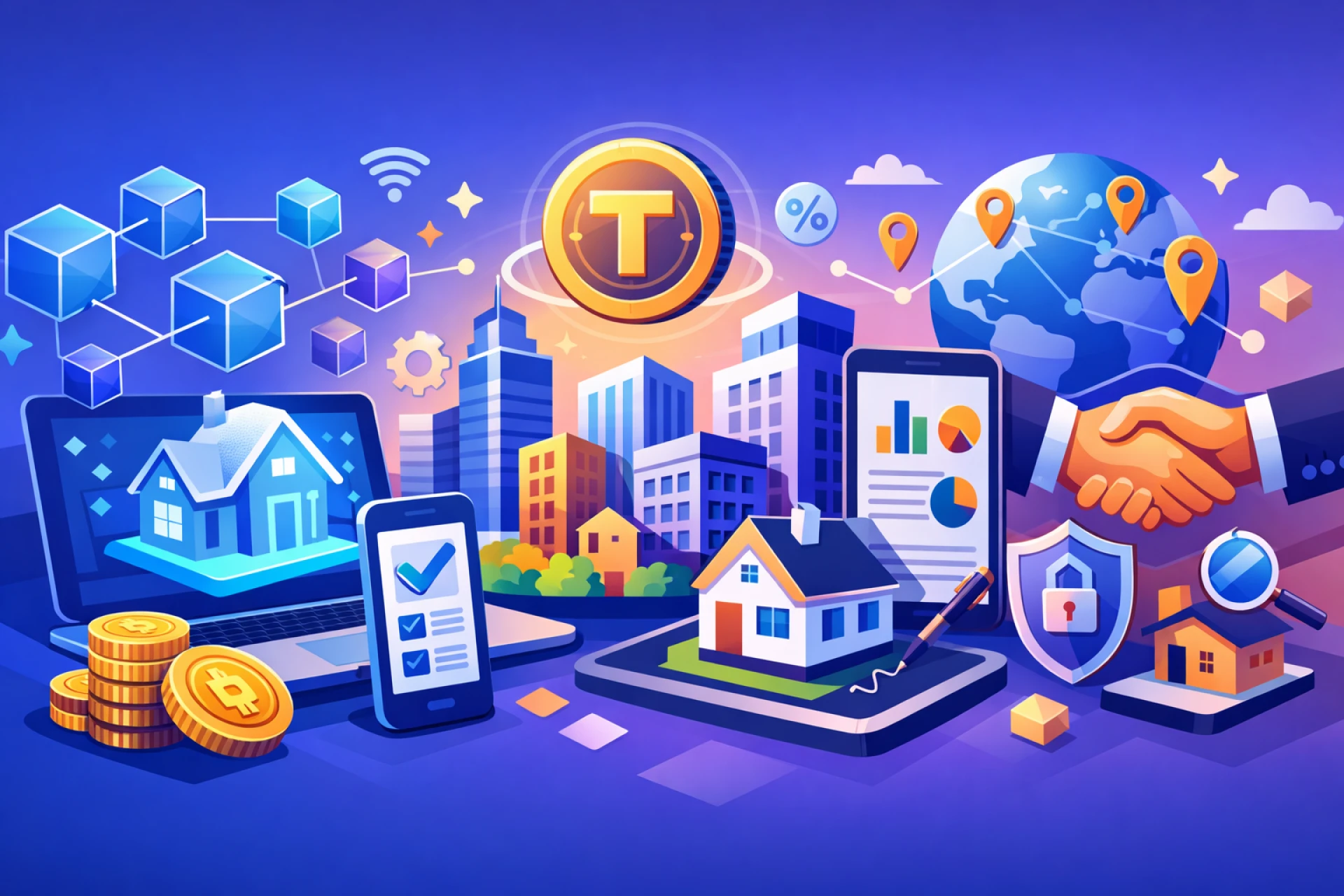

Real estate markets have always faced limitations related to liquidity, accessibility, and cross-border participation. As digital ownership models gain traction, real estate tokenization has become a practical approach for addressing these long-standing issues. By converting property ownership into digital tokens recorded on blockchain networks, businesses can divide high-value assets into smaller units and offer them to a wider investor base.
In 2026, expectations from investors, regulators, and property owners are more demanding than ever. Launching a platform without careful planning and feature selection can result in compliance risks, poor user experience, and limited adoption. This makes real estate tokenization platform development not just a technical task, but a strategic initiative.
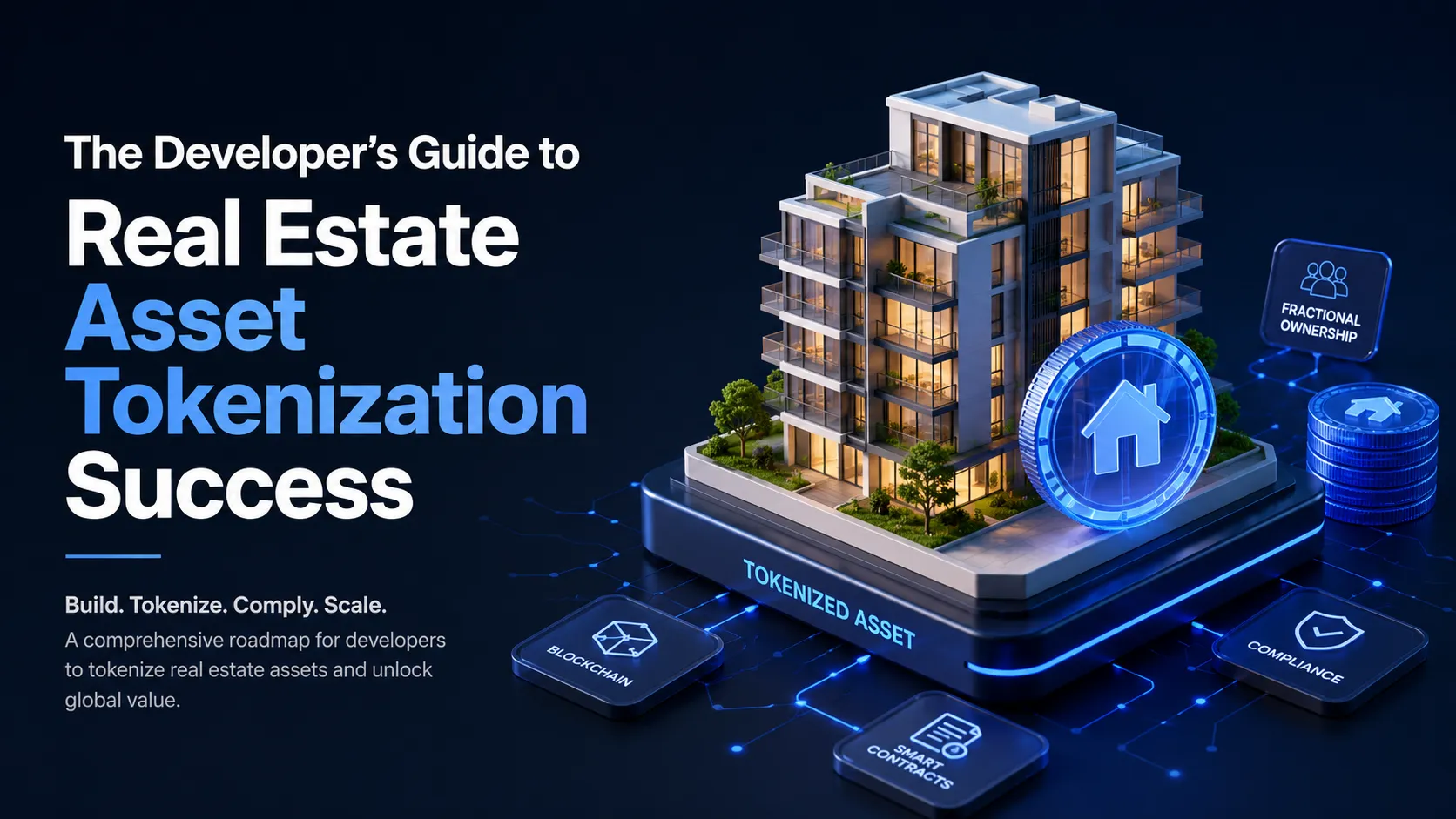
This blog provides a detailed breakdown of the features that must be included when developing a platform, along with structured methods to guide implementation.
Understanding the Role of Real Estate Tokenization Platforms
Before focusing on features, it is important to understand what a tokenization platform actually does. A platform acts as the bridge between physical property assets and digital tokens. It handles asset onboarding, token issuance, compliance checks, investor onboarding, trading, and reporting.
Businesses that partner with a real estate tokenization company often aim to digitize ownership structures while maintaining legal and financial integrity. The platform becomes the central system where issuers, investors, regulators, and administrators interact.
Real estate tokenization services are no longer limited to simple asset digitization. In 2026, platforms are expected to support global investors, integrate regulatory frameworks, and offer real-time insights into asset performance.
Method 1: Build a Secure and Compliant Foundation
Regulatory Compliance Framework
Compliance is one of the first priorities in real estate tokenization development. Since tokenized assets often fall under securities regulations, platforms must align with regional laws such as KYC and AML requirements.
A reliable real estate tokenization development company will incorporate compliance modules that verify user identity, assess risk profiles, and track transaction histories. These systems should support multiple jurisdictions if the platform targets international investors.
Smart Contract Integrity
Smart contracts handle token issuance, ownership transfers, and dividend distribution. Errors in these contracts can lead to financial losses and legal issues. Proper auditing, testing, and version control are necessary.
Data Protection
Investor data and transaction records must be stored securely. Encryption methods, secure APIs, and role-based access control help reduce risks. This is particularly important when handling large-scale real estate asset tokenization operations.
Method 2: Asset Digitization and Token Structuring
Property Onboarding System
The platform must include a structured process for onboarding properties. This includes document verification, valuation reports, ownership records, and legal approvals.
Real estate tokenization services should support different asset types such as residential, commercial, industrial, and mixed-use properties.
Token Design Models
Different token structures can be used depending on the business model. These may include:
- Equity-based tokens representing ownership shares
- Debt-based tokens linked to rental income
- Hybrid tokens combining both models
A real estate tokenization development company should provide flexibility in token structuring to suit different investment strategies.
Fractional Ownership Logic
One of the main advantages of real estate tokenization is fractional ownership. The platform should allow property owners to divide assets into smaller units, making them accessible to retail investors.
Method 3: Investor Onboarding and User Experience
Simple Registration and Verification
Investors should be able to sign up, complete identity verification, and access investment opportunities without unnecessary complexity. Long or confusing onboarding processes can discourage participation.
Dashboard and Portfolio Tracking
A user-friendly dashboard is necessary for investors to monitor their holdings. This includes:
- Token balances
- Property performance metrics
- Rental income distribution
- Transaction history
Real estate tokenization platform development must focus on clarity and ease of use.
Multi-Currency and Payment Integration
Since platforms attract global investors, support for multiple currencies and payment methods is required. Integration with fiat gateways and digital wallets expands accessibility.
Method 4: Secondary Marketplace Functionality
Token Trading System
Liquidity is one of the main reasons investors choose tokenized real estate. A secondary marketplace allows users to buy and sell tokens without waiting for property liquidation.
The platform should include:
- Order matching systems
- Price discovery mechanisms
- Transaction settlement processes
Compliance in Trading
Even secondary trading must follow regulatory guidelines. Restrictions based on investor type, geography, or holding periods should be enforced automatically.
Liquidity Management
Real estate tokenization development should include mechanisms to maintain liquidity. This may involve partnerships with market makers or internal liquidity pools.
Method 5: Asset Management and Reporting Tools
Real-Time Asset Monitoring
Property performance data should be updated regularly. This includes occupancy rates, rental income, maintenance costs, and valuation changes.
Automated Income Distribution
Rental income or dividends should be distributed automatically to token holders. Smart contracts can handle this process based on predefined rules.
Financial Reporting
Investors expect detailed reports for tax and investment analysis. The platform should generate:
- Profit and loss statements
- Transaction summaries
- Tax reports
A real estate tokenization company must consider reporting features as part of long-term investor engagement.
Method 6: Integration with Legal and Financial Systems
Legal Documentation Management
All property-related documents should be stored and accessible within the platform. This includes ownership certificates, contracts, and compliance records.
Banking and Payment Systems
Integration with banks and payment gateways is necessary for deposits, withdrawals, and income distribution. Real estate tokenization services should support both traditional and digital payment systems.
Custody Solutions
Secure custody of digital tokens is critical. Platforms may offer built-in wallets or integrate with third-party custody providers.
Method 7: Governance and Voting Mechanisms
Token Holder Voting
Investors may need to vote on decisions such as property management changes, renovations, or sale approvals. Governance features allow token holders to participate in decision-making.
Proposal Management
The platform should include systems for creating, reviewing, and voting on proposals. Voting results should be recorded and accessible.
Transparency in Decisions
Clear records of decisions and voting outcomes help maintain trust among investors.
Method 8: API and Third-Party Integrations
Open API Architecture
An API-driven approach allows integration with external systems such as property management tools, accounting software, and analytics platforms.
Blockchain Network Compatibility
The platform should support widely used blockchain networks or allow migration between them. This flexibility helps adapt to market changes.
Integration with Market Data Providers
Access to real estate market data improves decision-making for investors. Integrating external data sources adds value to the platform.
Method 9: Scalability in Operations and Asset Volume
Even though the term is often overused, platforms must still handle increasing numbers of users and assets. As more properties are added, the system should maintain performance and reliability.
Real estate tokenization platform development should consider infrastructure that supports:
- High transaction volumes
- Large user bases
- Multiple asset listings
A real estate tokenization development company should plan for future expansion during the initial stages.
Method 10: White Label and Customization Options
White Label Capabilities
Businesses may want to launch platforms under their own branding. White label solutions allow quick deployment with minimal changes.
Custom Feature Development
Each business has unique requirements. Real estate tokenization services should allow modification of workflows, user interfaces, and investment models.
Regional Adaptation
Platforms operating in multiple regions must adapt to local regulations, languages, and user preferences.
Method 11: Risk Management and Fraud Prevention
Transaction Monitoring
Continuous monitoring of transactions helps detect suspicious activity. Alerts and automated checks can reduce fraud risks.
Investor Risk Profiling
Assessing investor profiles helps match them with suitable investment opportunities. This also supports regulatory compliance.
Insurance Integration
Some platforms offer insurance coverage for digital assets or property-related risks. This adds an extra layer of confidence for investors.
Method 12: Marketing and Investor Engagement Tools
Campaign Management
The platform should include tools for launching investment campaigns. This helps property owners attract investors.
Communication Channels
Direct communication between issuers and investors improves engagement. Notifications, updates, and announcements should be part of the system.
Educational Resources
Providing guides and tutorials helps new investors understand real estate asset tokenization and make informed decisions.
Challenges to Consider in 2026
Despite its benefits, real estate tokenization development comes with challenges:
- Regulatory uncertainty in some regions
- Limited awareness among traditional investors
- Integration complexities with legacy systems
- Liquidity concerns in early stages
A real estate tokenization development company must address these challenges during planning and execution.
Future Outlook
The growth of digital assets continues to influence real estate markets. Institutional investors are showing interest, and regulatory frameworks are becoming more defined.
Real estate tokenization platform development is expected to expand into new areas such as:
- Cross-border property investments
- Integration with decentralized finance systems
- Tokenization of infrastructure and large-scale projects
Businesses that adopt the right features today can position themselves for long-term success.
Conclusion
Real Estate Tokenization Platform Development is no longer an experimental concept. It has become a practical solution for improving accessibility and liquidity in property markets. However, the success of a platform depends on the features it offers and how well it aligns with user expectations and regulatory requirements.
From compliance systems and asset digitization to investor dashboards and secondary marketplaces, each component plays a role in creating a functional platform. Real estate tokenization services must go beyond basic implementation and focus on reliability, usability, and long-term adaptability.
Partnering with an experienced real estate tokenization company can help businesses navigate technical and legal complexities. By including the features outlined in this blog, companies can develop platforms that meet the demands of 2026 and support the growing adoption of real estate asset tokenization.



























Sign in to leave a comment.