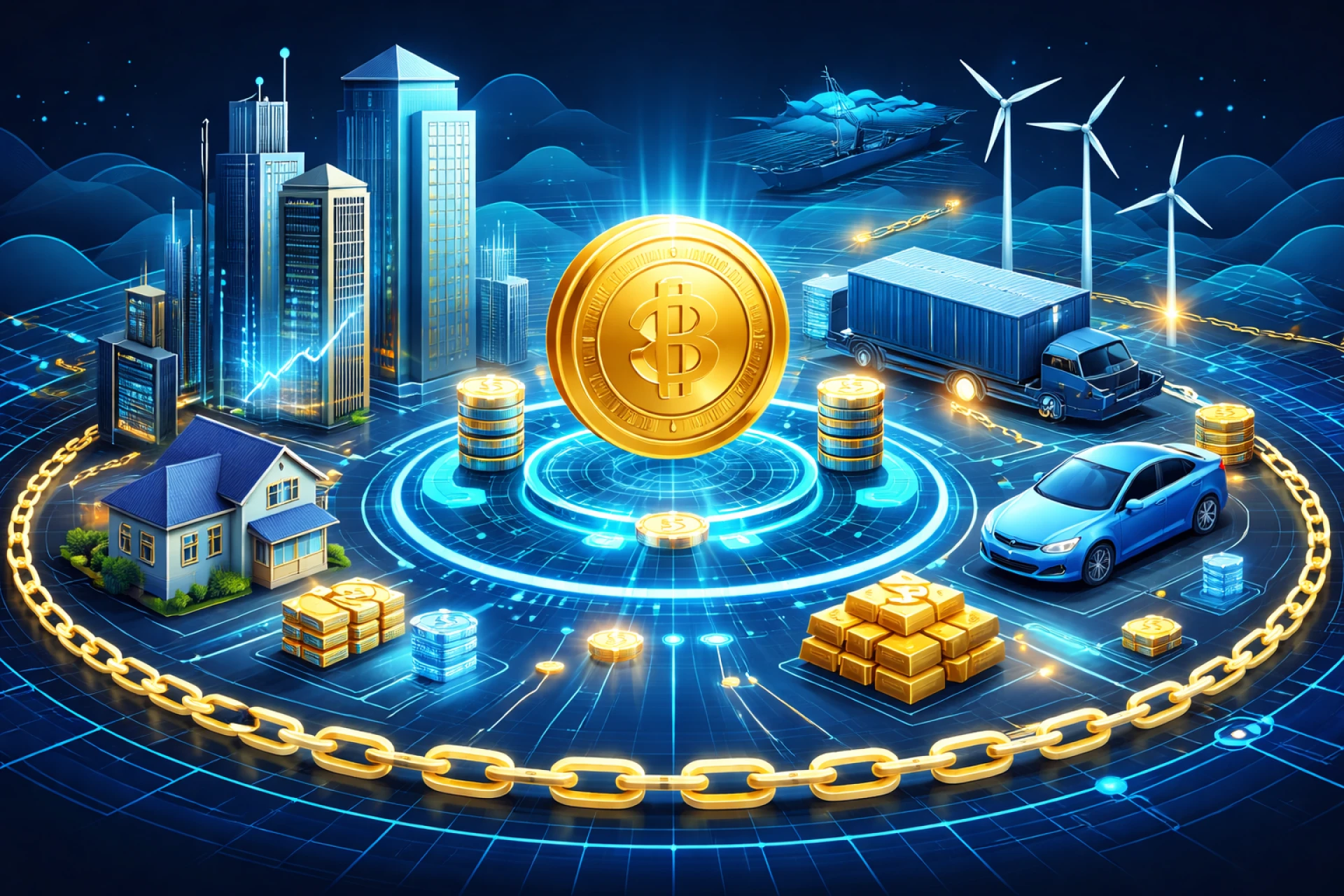

The global financial system is entering a phase where physical and financial assets are increasingly represented in digital form. Real estate, commodities, infrastructure funds, and private equity holdings have traditionally been considered illiquid investments with high entry barriers. Investors often needed large capital commitments, extended holding periods, and access to private networks to participate in such opportunities.
Digital token frameworks have introduced an alternative model where these assets can be represented as blockchain-based tokens. This process, often referred to as asset tokenization, allows ownership units to be divided into smaller portions that can be traded or transferred within digital marketplaces. As institutional investors, fintech startups, and asset managers adopt this approach, Asset Tokenization Platform Development has become an important focus for technology providers and financial innovators.
In 2026, financial institutions and asset managers are actively evaluating Tokenization Platform Development to digitize ownership structures and attract a broader investor base. The market interest extends across real estate portfolios, infrastructure projects, art collections, carbon credits, and even agricultural assets. As more organizations adopt digital asset models, Tokenization Platform Development Services are increasingly requested by enterprises seeking compliant and technically reliable platforms.
This article provides a detailed overview of how tokenization platforms work, their technical structure, their benefits for real-world asset markets, and the development methods used by an Asset tokenization development company.
Understanding Real-World Asset Tokenization
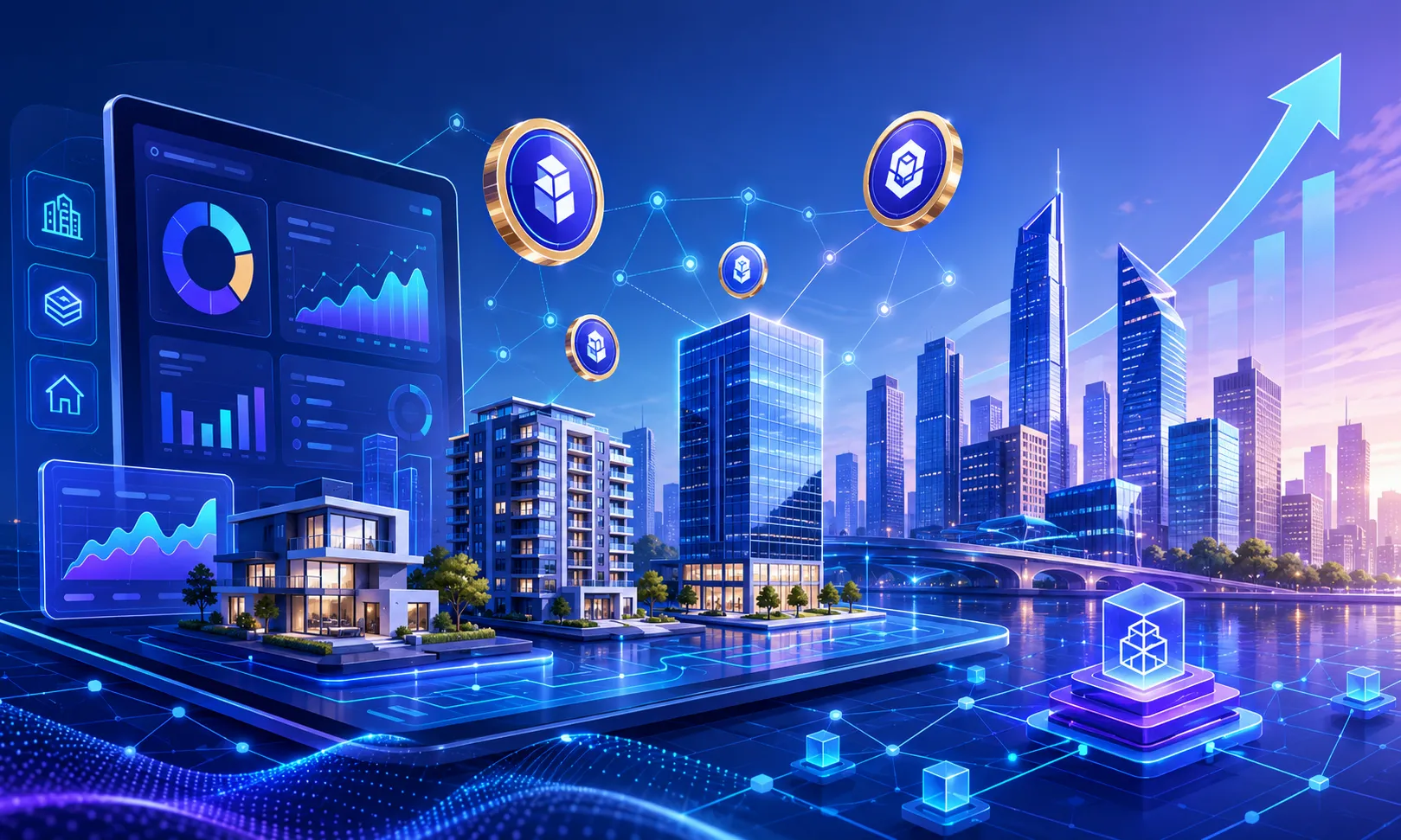
Real-world asset tokenization refers to the process of converting ownership rights of physical or financial assets into digital tokens recorded on a blockchain network. Each token represents a fractional ownership stake or economic right tied to an underlying asset.
For example, a commercial building valued at $20 million can be divided into digital tokens where each token represents a share of the property. Investors purchase these tokens rather than buying the entire asset. This approach reduces entry barriers and allows asset managers to distribute ownership more broadly.
Tokenized assets can include:
- Commercial and residential real estate
- Infrastructure projects
- Precious metals and commodities
- Art collections
- Venture capital investments
- Carbon credits and environmental assets
- Private debt funds
Organizations pursuing Tokenized asset platform development must integrate blockchain infrastructure, regulatory compliance layers, asset custody frameworks, and trading mechanisms.
In 2026, the demand for Asset Tokenization Platform Development is rising due to growing interest from both institutional and retail investors who seek diversified investment access.
Market Trends Driving Tokenization in 2026
Several developments across global financial markets have increased interest in tokenized assets.
Institutional Participation
Large financial institutions have begun experimenting with tokenized securities, digital bonds, and tokenized funds. Banks and asset managers are evaluating Tokenization Platform Development to reduce administrative costs related to settlement and ownership management.
Fractional Investment Models
Traditional assets such as commercial real estate often require substantial capital. Tokenization divides these assets into smaller units that allow investors to participate with lower capital requirements.
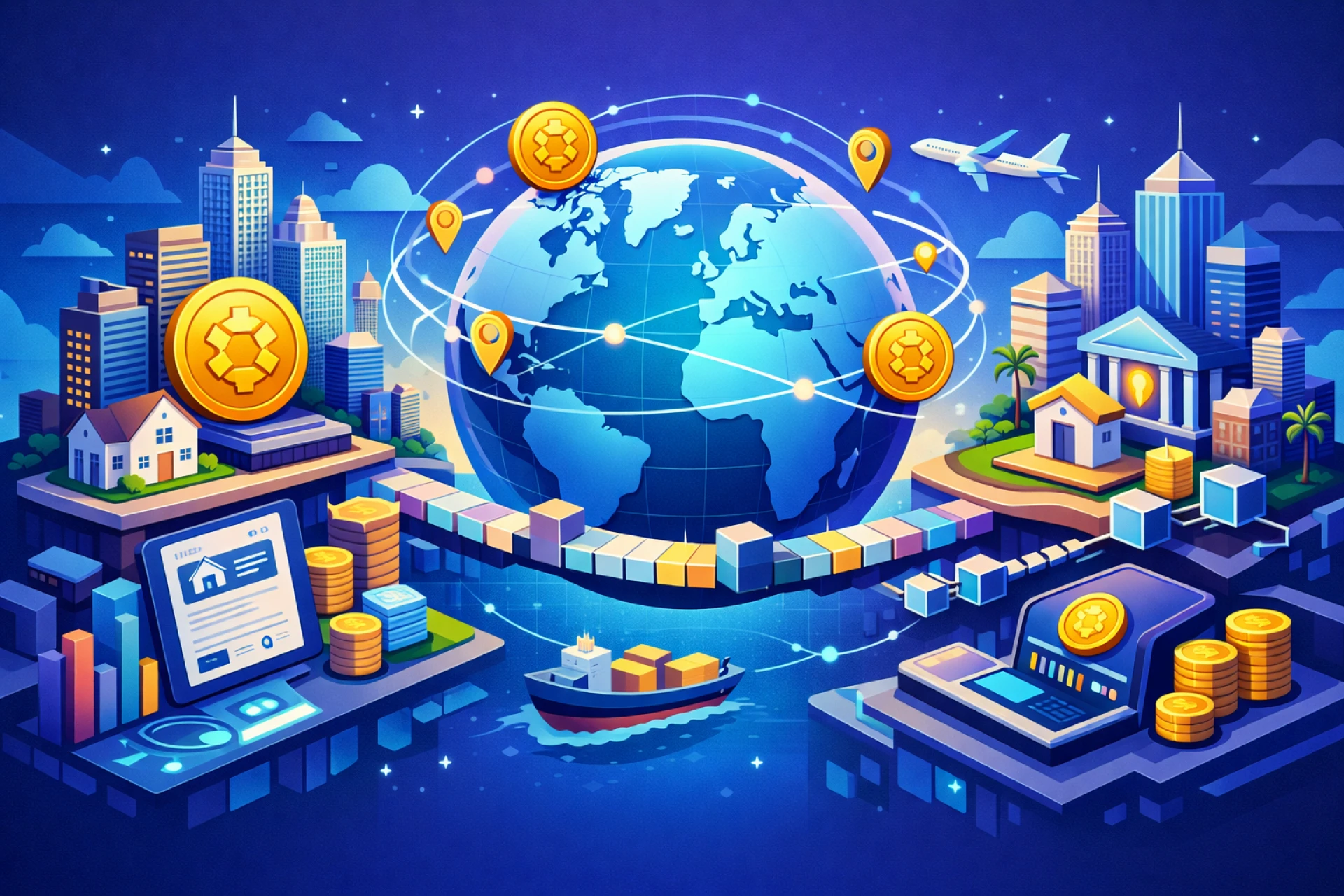
Cross-Border Investment Opportunities
Digital asset platforms allow investors from different regions to access global investment opportunities. When combined with compliance frameworks such as KYC and AML checks, tokenized assets can be traded across regulated digital marketplaces.
Secondary Market Liquidity
Traditional real-world assets often lack liquid secondary markets. Tokenized assets can be listed on regulated digital exchanges, providing investors with additional options to sell their holdings.
These developments have increased the need for professional Asset tokenization development services from companies specializing in blockchain infrastructure and financial technology.
Technology Foundations Behind Tokenization Platforms
Developing a tokenization platform requires integration of several technological components. Asset Tokenization Platform Development combines blockchain infrastructure with financial management systems and regulatory compliance tools.
Blockchain Networks
Blockchain serves as the ledger where ownership records and token transactions are stored. Platforms may use public networks such as Ethereum or permissioned blockchain networks designed for institutional environments.
Smart contracts define ownership rules, token issuance, and transfer restrictions.
Smart Contracts
Smart contracts automate many of the processes involved in asset ownership. These contracts define how tokens are issued, distributed, and transferred between investors.
They may also include dividend distribution mechanisms, governance rights, and compliance checks.
Asset Custody Systems
The underlying physical asset must be managed by a legal entity or custodian. This ensures that token holders have enforceable rights to the asset.
Custody frameworks often involve legal agreements, asset management companies, and regulated trustees.
Compliance and Regulatory Modules
Tokenized assets must comply with financial regulations depending on the jurisdiction. Tokenization Platform Development Services usually include modules for:
- Investor identity verification
- Anti-money laundering screening
- Transaction monitoring
- Investor accreditation verification
Compliance integration is necessary for platforms offering digital securities or regulated financial instruments.
Methods Used in Tokenization Platform Development
Organizations planning to launch tokenized asset markets often follow structured development methods. An Asset Tokenization Platform Development Company generally adopts a multi-stage approach.
1. Asset Identification and Legal Structuring
The first stage involves selecting the asset that will be tokenized. Legal teams determine the ownership structure and regulatory framework applicable to the asset.
Special purpose vehicles (SPVs) are often created to hold the asset and issue tokens representing ownership shares.
2. Blockchain Infrastructure Design
The technical team determines the blockchain network that will support token issuance and transaction processing. Considerations include transaction costs, security standards, and compatibility with digital asset exchanges.
This stage also includes development of smart contracts that define token functionality.
3. Token Issuance and Distribution
Once the smart contract framework is ready, digital tokens representing asset ownership are issued. Investors can purchase tokens through private placements or digital security offerings.
Platforms developed through Asset tokenization development services usually integrate payment gateways for fiat currency and cryptocurrency transactions.
4. Investor Management Systems
Investor dashboards allow participants to manage their holdings, track asset performance, and receive distributions.
These dashboards also handle KYC verification and compliance checks before investors can participate in token sales.
5. Secondary Market Integration
Some platforms include trading capabilities that allow investors to transfer or sell their tokens within regulated marketplaces.
This stage may involve partnerships with digital asset exchanges or the creation of proprietary trading platforms.
Benefits of Asset Tokenization for Investors and Asset Owners
Asset tokenization introduces several advantages compared to traditional ownership models.
Broader Investor Participation
Fractional ownership allows individuals and smaller funds to participate in investments that previously required significant capital.
Real estate, infrastructure funds, and venture investments become accessible to a larger group of investors.
Portfolio Diversification
Tokenized assets allow investors to diversify across asset classes and geographical markets without large capital commitments.
Digital ownership units make it easier to distribute investments across multiple assets.
Operational Efficiency
Tokenized asset platforms reduce administrative complexity in areas such as investor onboarding, dividend distribution, and ownership tracking.
Automation through smart contracts reduces reliance on manual record keeping.
Improved Market Access
Investors located in different regions can participate in global asset markets through regulated digital platforms.
Asset managers also gain access to a wider investor audience.
Challenges and Considerations
Despite the potential benefits, tokenization platforms also face several challenges.
Regulatory Uncertainty
Financial regulations for digital securities differ across countries. Organizations launching tokenized assets must carefully evaluate regulatory frameworks before issuing tokens.
Legal compliance remains one of the most important aspects of Tokenization Platform Development.
Investor Education
Many investors are still unfamiliar with blockchain-based ownership systems. Platforms must provide educational resources explaining how tokenized assets function and how investor rights are protected.
Asset Valuation
Determining accurate asset valuations is critical when dividing ownership into digital tokens. Independent valuation processes are usually required before token issuance.
Platform Security
Security vulnerabilities in smart contracts or blockchain infrastructure could affect token transactions. Security audits are therefore an important component of Asset tokenization development services.
Role of an Asset Tokenization Platform Development Company
Organizations seeking to launch tokenized asset markets often collaborate with specialized development companies. An Asset Tokenization Platform Development Company provides both technical and regulatory expertise.
These companies typically offer services such as:
- Blockchain architecture design
- Smart contract development
- Digital asset wallet integration
- Investor management platforms
- Compliance and identity verification systems
- Token issuance infrastructure
In addition to development services, many companies also assist with regulatory planning and token launch strategies.
Working with an experienced Asset tokenization development company allows financial institutions and startups to reduce technical complexity and shorten development timelines.
Real-World Applications of Tokenized Assets
Tokenization platforms are being adopted across multiple industries.
Real Estate
Commercial real estate remains one of the most widely tokenized asset categories. Property developers can raise capital by offering fractional ownership tokens to investors.
Infrastructure Investments
Large infrastructure projects often require long-term funding. Tokenization allows project developers to raise capital from a distributed investor base.
Art and Collectibles
Rare artworks and collectibles can be divided into digital shares. Investors purchase tokens representing ownership stakes in these high-value items.
Commodity Markets
Precious metals such as gold and silver can be represented through blockchain tokens backed by physical reserves.
These examples highlight the broad potential for Tokenized asset platform development across industries.
Future Outlook for Tokenization Platforms
Financial analysts expect tokenized asset markets to expand significantly over the coming decade. Increased institutional adoption and clearer regulatory frameworks may contribute to wider acceptance.
In 2026, financial institutions are already experimenting with tokenized funds, bonds, and real estate portfolios. Technology companies offering Tokenization Platform Development Services are responding to growing demand from asset managers and investment firms.
Emerging trends include:
- Integration with decentralized finance platforms
- Tokenized investment funds
- Digital asset exchanges specializing in tokenized securities
- Institutional custody solutions for tokenized assets
These developments suggest that tokenization platforms will continue gaining relevance within global financial markets.
Conclusion
Asset tokenization represents a major shift in how ownership rights are structured and traded. By converting real-world assets into blockchain-based digital tokens, asset managers can distribute ownership more broadly and offer investors new ways to participate in global markets.
The process requires a combination of blockchain infrastructure, legal structuring, compliance frameworks, and investor management systems. For this reason, many organizations partner with an Asset Tokenization Platform Development Company to build reliable and compliant platforms.
As financial institutions continue adopting digital asset frameworks, the demand for Asset Tokenization Platform Development and related Tokenization Platform Development Services is expected to increase. Companies offering Asset tokenization development services will play a significant role in supporting asset managers, fintech startups, and investment firms entering this evolving sector.
With ongoing regulatory progress and institutional participation, tokenized asset markets are likely to remain an important area of financial innovation throughout the coming decade.





























Sign in to leave a comment.