


A quick look inside the bedside drawer of an exhausted person usually reveals a graveyard of failed acoustic experiments.
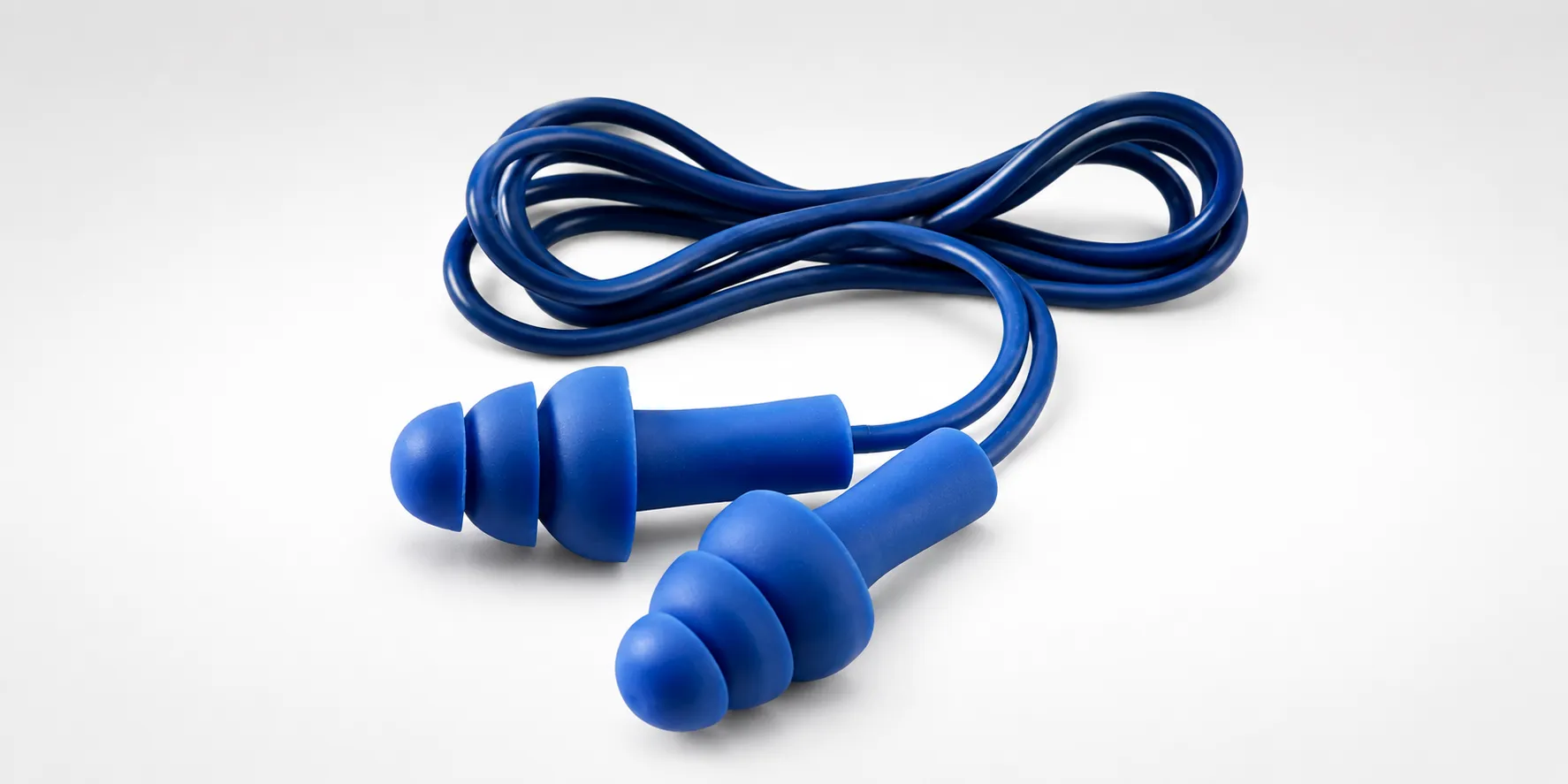
You will likely find half-empty boxes of brightly colored foam, rigid silicone cones, and perhaps even a bulky pair of electronic headphones gathering dust.
Working with customers every day at Aussie Ear Plugs, we notice a distinct pattern. People do not usually come to us when they first experience bedroom noise.
They reach out to us after they have spent months, sometimes years, trying to find a reliable solution that does not cause intense physical pain.
Navigating the market for sleeping ear plugs can feel completely overwhelming. To make an informed decision, you have to look past the aggressive marketing claims on the packaging and understand exactly how different materials interact with the human body.
The Three Signs Your Current Plugs Are Failing
Before upgrading your sleep gear, you need to diagnose why your current setup is not working. In our experience, standard pharmacy earplugs fail for three very specific physical reasons:
- The Bass Bleed: You can hear low-frequency rumbling (like heavy snoring or distant trucks) perfectly clearly, even though high-pitched sounds are muffled.
- The Cartilage Ache: You wake up around 3:00 AM with a throbbing, localized headache directly inside your ear canal due to outward foam expansion.
- The Pillow Lever Effect: If you sleep on your side, the rigid stem of the plug catches on your pillow fabric, driving the hard plastic deep into your sensitive ear tissue.
If any of those sound familiar, your hearing protection is fundamentally flawed for a bedroom environment.
What Are You Actually Trying to Block?
The first step in finding a realistic solution is identifying the exact nature of your bedroom noise. Not all sound waves behave the same way in a physical space.
If you live next to a busy highway, you are dealing with a mixture of high-pitched tire squeals and low-frequency engine rumbles.
If you have a snoring partner, you are facing concentrated, heavy bass vibrations. These long sound waves do not just travel through the air. They travel directly through the timber of your bed frame and up through your mattress.
Standard porous foam is highly effective at muffling the sharp, high-pitched sounds of a distant siren or a barking dog.
However, because foam lacks physical mass and density, it allows those heavy, low-frequency bass vibrations to pass straight through its microscopic air pockets and into your ear canal.
Finding Your Ideal Acoustic Barrier
Solving the bedroom noise dilemma requires a fundamental shift in how you view hearing protection. You need to move away from internal wedges and look for products that utilize an external perimeter seal.
When our team consults with exhausted clients looking for the best earplugs for sleeping in Australia, we consistently point them toward moldable, high-density materials.
Medical-grade silicone putty or natural beeswax blends do not rely on aggressive expansion to stay in place. They do not fight against your anatomy.
Instead, they use your natural body heat to become soft and pliable. You simply mold the dense material directly over the outer bowl of your ear (the concha).
This acts as a solid, flat shield. It physically blocks low-frequency noise from entering the canal, while sitting completely flush with your skin.
Because the canal remains empty, there is no restriction of blood flow, no cartilage pressure, and absolutely zero morning pain. By understanding the mechanics of noise and prioritizing a flush-fitting outer seal, you can stop wasting money on ineffective pharmacy foam and finally reclaim your rest.


























Sign in to leave a comment.