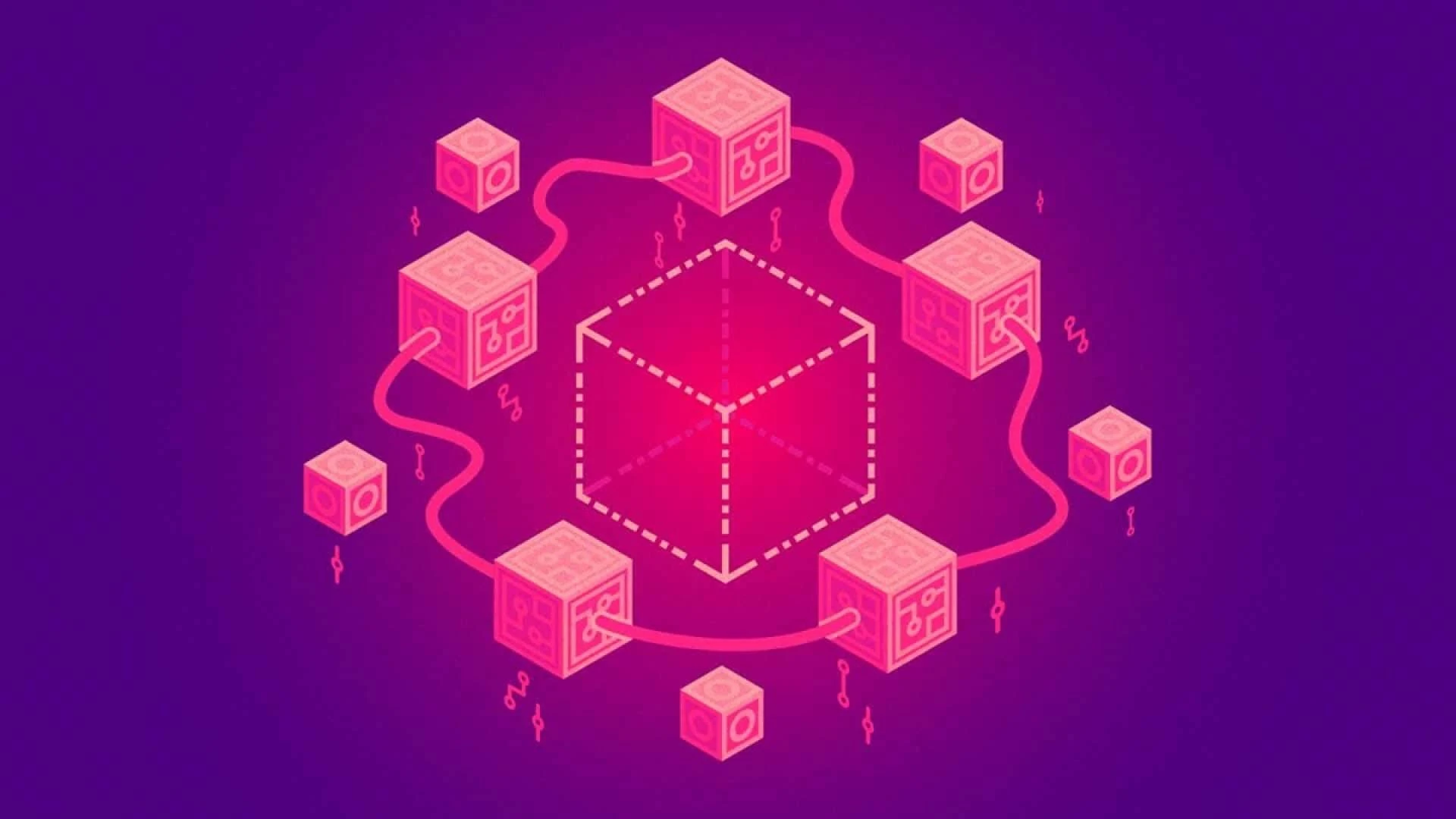

We’re entering a new phase of digital evolution—one where artificial intelligence isn’t just centralized in corporate clouds but distributed across networks powered by individuals. This shift isn’t just technical; it’s philosophical. It challenges the long-standing assumption that data must be surrendered to participate in innovation. Instead, it invites us to imagine a world where privacy, autonomy, and intelligence coexist. At the heart of this transformation is Zero Knowledge Proof, a cryptographic protocol that allows systems to verify truths without revealing the underlying data.
Privacy as a Prerequisite, Not a Perk
For too long, privacy has been treated as a trade-off—something sacrificed for convenience or performance. But decentralized AI networks flip that narrative. They embed privacy into the infrastructure itself, ensuring that users can contribute, collaborate, and compute without exposing personal information. Whether it’s training models on encrypted data or validating outputs without revealing inputs, these systems prove that privacy isn’t a barrier to progress—it’s the foundation of trust.
Proof Pods: Participation Without Exposure
One of the most compelling innovations in this space is the Proof Pod—a dedicated device that allows individuals to contribute computing power to a decentralized AI network. Unlike traditional mining rigs or centralized servers, Proof Pods are designed for transparency, efficiency, and privacy. They validate AI workloads and generate cryptographic proofs, all while keeping user data secure. This model transforms passive users into active contributors, aligning incentives across the ecosystem.
Modular Infrastructure for Scalable Intelligence
The architecture behind these networks is modular and purpose-built for privacy-first AI.
- Consensus Layer: Combines Proof-of-Intelligence and Proof-of-Space to secure compute and storage.
- Application Layer: Supports both EVM and WASM smart contracts, offering flexibility for developers.
- Zero-Knowledge Layer: Enables confidential inference and verifiable computation.
- Storage Layer: Integrates IPFS and Filecoin for scalable, off-chain data handling.
This layered design ensures that privacy is not a bottleneck but a driver of scalability and adaptability.
Real-World Impact Across Sectors
Privacy-first AI is already making waves in critical industries:
- Healthcare: Hospitals and researchers collaborate on encrypted patient data without sharing raw inputs.
- Enterprise R&D: Companies co-train models while keeping proprietary datasets confidential.
- Public AI Systems: Governments and watchdogs verify outputs without accessing sensitive information.
These applications demonstrate that privacy isn’t just about protection—it’s about enabling collaboration that would otherwise be impossible.
Tokenized Incentives for a Thriving Ecosystem
To sustain participation, these networks introduce native tokens that reward contributors. These tokens fuel transactions, secure the network, and enable a vibrant economy built on privacy and performance. Validators, developers, and users all benefit from a shared value system that prioritizes integrity and autonomy.
Human-Centered Design
What sets this movement apart is its human focus. Privacy-first AI isn’t just about cryptography—it’s about dignity, empowerment, and choice. Users engage with technology on their own terms, contributing to systems that respect their boundaries. In a digital world often dominated by extraction, this approach restores balance and agency.
Developer-Ready Tools and Templates
To accelerate adoption, the ecosystem offers SDKs, APIs, and templates tailored for building AI-powered decentralized applications. Developers can create intelligent agents, privacy-preserving dApps, and collaborative models with zero-knowledge guarantees. It’s a toolkit designed for innovation without compromise.
Roadmap to a Decentralized Future
The journey is just beginning. Key milestones include:
- Q3 2025: Final hardware design, blockchain infrastructure setup, and privacy architecture.
- Q4 2025: Prototype manufacturing, token economics refinement, and beta testing.
- Q1 2026: Device launch, public presale, and community onboarding.
- Q2 2026: Ecosystem expansion, governance votes, and research partnerships.
- Q1 2027: Advanced data contribution tiers, multichannel rewards, and AI model insights.
This roadmap reflects a commitment to transparency, scalability, and community-driven growth.
Reimagining Collaboration
Decentralized AI redefines how we collaborate. Instead of siloed data and opaque algorithms, we get transparent systems where contributors validate, train, and audit models together. It’s a future where trust is built into the infrastructure, not assumed.
Conclusion: Privacy as Progress
As AI becomes more embedded in our lives, the need for privacy, transparency, and user control grows stronger. Decentralized networks powered by Zero Knowledge Proof offer a path forward—one where innovation and integrity go hand in hand.




























Sign in to leave a comment.