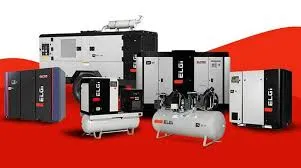

In the demanding industrial landscape of Australia—from the rugged mining sectors of Western Australia to the high-tech manufacturing hubs in Melbourne and Sydney—compressed air is the lifeblood of productivity. Choosing the right technology is not just about meeting pressure requirements; it is about ensuring long-term operational efficiency, reducing total cost of ownership, and maintaining a sustainable carbon footprint.
The Power of Oil-Lubricated Rotary Screw Technology
For enterprises requiring a continuous, 24/7 supply of compressed air, oil-lubricated rotary screw compressors have become the gold standard. Unlike other technologies that may require frequent rest periods to cool down, these machines are engineered for a 100% duty cycle.
The secret lies in the precision-engineered rotors. As the rotors mesh, they draw in air and trap it within the screw grooves. A thin film of specialized lubricant is injected to seal the gaps, lubricate the moving parts, and—most importantly—absorb the heat of compression. This allows the system to deliver a steady stream of high-pressure air while maintaining optimal internal temperatures, even in harsh environmental conditions.
Scaling for Precision: The Compact Air Compressor
While heavy industry often demands massive stationary installations, many modern workshops and specialized facilities require high performance in a smaller footprint. The shift toward the Compact Air Compressor represents a breakthrough in design.
A modern compact screw unit offers several advantages over traditional larger models:
- Space Efficiency: Integrated designs often include the compressor, dryer, and receiver tank all within a single, small-footprint enclosure.
- Plug-and-Play Installation: Reduced piping and electrical requirements mean these units can be positioned closer to the point of use.
- Low Noise Levels: Advanced sound-dampening enclosures allow these machines to operate quietly, making them ideal for environments where worker comfort is a priority.
Versatility in Demand: Integration with Reciprocating Air Compressors
While rotary screw technology excels at continuous demand, many businesses still find immense value in reciprocating air compressors. Often utilized for intermittent tasks or smaller-scale operations, piston-based systems provide a rugged and cost-effective solution for applications such as automotive repair, small workshops, and construction sites.
The key to a truly efficient facility often lies in a hybrid approach. Using a high-efficiency rotary screw compressor for the primary plant load while utilizing reciprocating units for specialized, high-pressure bursts or standby tasks ensures that the energy consumed is always proportional to the work performed.
Engineering for the Future: Efficiency and Support
Beyond the hardware, the true value of a compressed air system is found in its "smart" features. Modern units now incorporate:
- Variable Speed Drives (VSD): Adjusting motor speed to match air demand can reduce energy costs by up to 35%.
- Advanced Monitoring: Real-time data tracking allows for predictive maintenance, preventing costly unplanned downtime.
- Robust Filtration: Multi-stage separation ensures that the air delivered is clean and the lubricant is recycled efficiently within the system.
In a competitive market, having a reliable compressed air system means more than just buying a machine. It means investing in a solution that offers world-class energy efficiency, a low noise profile, and the durability to withstand unique environmental challenges. By selecting the right blend of screw and reciprocating technology, businesses can ensure they are powered for growth today and for years to come.























Sign in to leave a comment.