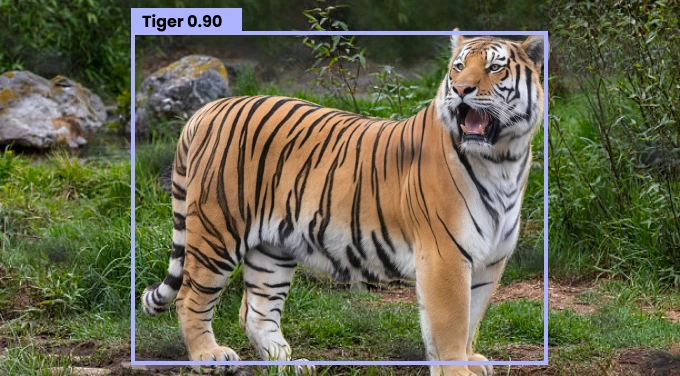

Supporting wildlife conservation, zoos play a crucial role in maintaining ecological diversity by offering safe and enriched environments for animals. These facilities are designed not only to protect animal interests but also to provide in-depth understanding of their daily habits, social behaviours, and well-being. The traditional approaches to monitoring animals are fast becoming outdated due to multiple constraints, including the manual nature of the task, inaccuracies, and the fact that they do not scale well.
Animal and species management in zoos and wildlife parks, with big enclosures to operate in and a large number of species with different behaviors can be challenging for caretakers and providers of care. There are clear limitations for traditional approaches in animal observation and management; it was clear that a new and better, more reliable method was required; computer vision with AI is the way to go.
Through AI-enabled computer vision, zookeepers, researchers, and animal experts can receive valuable insights about animals and their social interactions, health, and routines of care.
This paper will discuss how computer vision and AI enhance animal welfare and zoo management. In a recent report, it is estimated that the global AI landscape in animal healthcare will reach approximately 8.23 billion U.S. dollars (USD by 2034) demonstrating the demand for smart solutions in animal and wildlife management is growing.
Why Is Animal Monitoring in Zoo Enclosures Important?
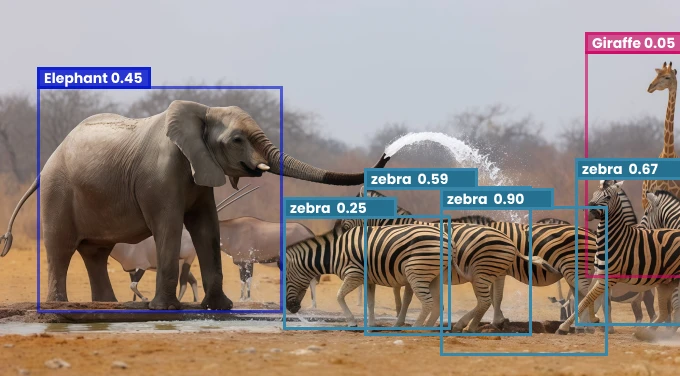
Consider this, when a zookeeper must always be looking after a recovering animal; it could easily be handled by AI. Computer vision allows for tracking animals in real-time, with early identification of factors associated with stress, injury and illness. Models such as Ultralytics YOLOv11 are exceptionally effective in recognizing and tracking animals, assisting in automating daily operational tasks.
Limitations of Traditional Monitoring Techniques
Conventional observation methods rely heavily on human oversight, making them prone to errors and inefficiencies. Accurately recording behavioural patterns, especially in real-time, is difficult through manual surveillance. These limitations make it essential to shift toward smarter solutions like AI-integrated vision systems.
How Computer Vision Is Transforming Zoo Environments
Computer vision systems, supported by machine learning algorithms, offer a smarter approach to tracking animals within zoo habitats. By automating monitoring processes, this technology enhances animal welfare, supports scientific studies, and helps optimize habitat design through data-backed insights. The adoption of computer vision in zoo management is proving to be a game-changer, enabling a more structured, efficient, and insightful approach to animal care.
Vision AI drastically reduces the possibility of human error and facilitates decision-making based on objective, consistent data. With AI-driven systems in place, daily zoo operations become more organized, efficient, and accurate.
Protecting Endangered Species with AI Monitoring
Animals that are classified as endangered or vulnerable demand meticulous monitoring. With the integration of facial recognition and vision AI, caregivers can observe animal health, detect unusual behaviour, and act swiftly when required. This ensures timely medical attention and proactive animal care.
Smart Data Analysis Capabilities
At Nextbrain, a top-tier Vision AI solutions provider, we believe AI in wildlife monitoring is ushering in a new age of precision and innovation. Our advanced analytics dashboard enables zoo administrators, veterinarians, and scientists to interpret data effectively and draw valuable conclusions from observed behaviours.
Role of Computer Vision in Wildlife Conservation and Research
By applying computer vision technology, zoos can contribute meaningfully to broader conservation initiatives. Real-time behavioural data aids in designing species-specific strategies, improving habitat enrichment programs, and deepening scientific knowledge about various species.
Tracking Aquatic Animals with AI Vision
Advanced object tracking algorithms allow precise observation of aquatic animals like dolphins. By studying their movements, social interactions, and reactions to environmental changes, zookeepers can better understand their spatial needs and health status.
Our smart systems utilize AI to trace aquatic animals throughout their enclosures, providing real-time data on activities like swimming, playing, or interacting with others.
Heatmap Generation for Behavioural Study
Using Nextbrain’s computer vision tools, the collected data can be visualized as heatmaps, showcasing how long animals spend in various sections of their enclosures. These visuals reveal their preferred zones, helping staff enhance enclosure design and behavioural enrichment.
In secure zoo environments, animals often remain at potential health risks. By utilizing non-invasive facial recognition technology, staff can monitor feeding patterns, medical conditions, and movements without disturbing the animals.
Why Choose Nextbrain’s Computer Vision Technology?
Computer vision is being utilized across various sectors of animal care, from wildlife parks to animal hospitals. At Nextbrain, our Vision AI solutions are designed to streamline operations and enhance animal well-being. Here's how our technology makes a difference:
Reduced Manual Effort
Routine monitoring tasks are automated, allowing caregivers to focus more on enrichment and medical care.
Enclosure Usage Analysis
Our heatmaps and behavioural tracking help identify which areas animals use most or avoid, aiding in better enclosure planning and enrichment.
Remote Veterinary Collaboration
Real-time animal data can be shared with off-site specialists, enabling quicker, coordinated care.
Enhanced Nocturnal Observation
With night-vision capabilities, staff can monitor animals even after hours, gaining insights into their nocturnal activities.
Final Thoughts
By leveraging real-time data and intelligent algorithms, zoos are gaining valuable knowledge to improve animal welfare, enclosure designs, and conservation initiatives. Computer vision is redefining how zoo facilities operate, offering a smarter and more ethical way to monitor animals.
Nextbrain’s AI video analytics software marks a new chapter in animal observation, where technology and empathy intersect to create better outcomes for wildlife. Integrated with smart habitats and sensor technologies, our systems provide a connected, holistic view of animal well-being.
Interested in building your next AI vision solution?
Explore our portfolio of AI in healthcare and wildlife monitoring technologies. Connect with our experts at Nextbrain and bring your computer vision projects to life.
























Sign in to leave a comment.