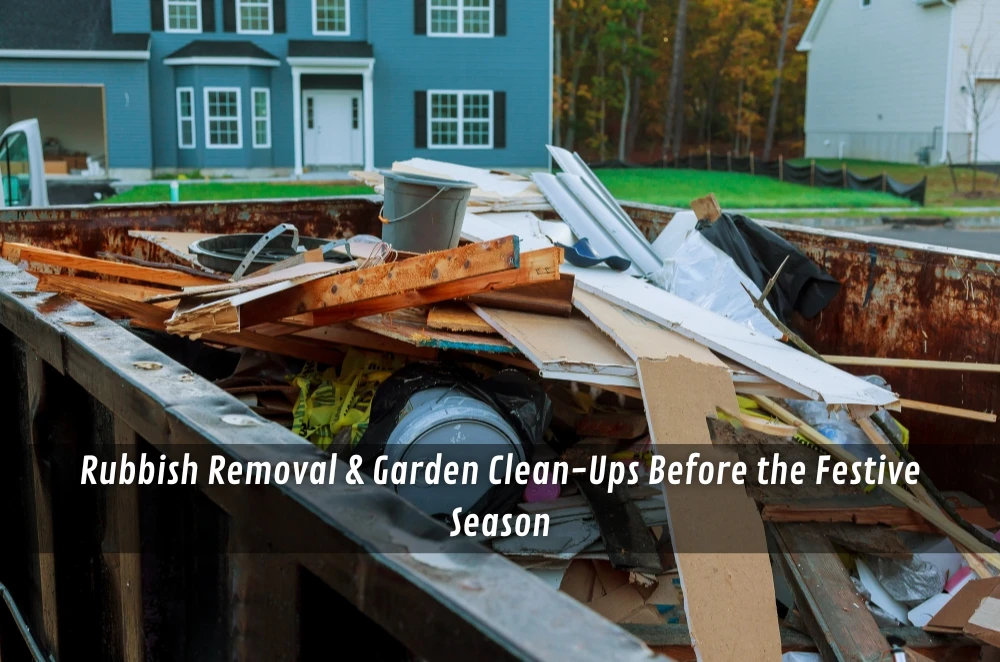

By the time the festive season rolls around in Sydney, a lot of backyards are looking a bit wild. If you’re thinking about hosting Christmas lunch, getting your garden rubbish removal in Sydney sorted early means you’re not up a ladder the night before guests arrive.
I’ve seen this play out so many times – you promise yourself you’ll “do the yard” in November, then suddenly it’s mid-December, the lawn’s knee-high and there’s still an old rusty fire pit sitting where the kids’ table needs to go. The good news is you don’t need a perfect garden. You just need a plan and a bit of honesty about how much rubbish you’ve actually got lying around.
Why rubbish piles up before Christmas
The weeks before Christmas have their own chaos. Work wrap-ups, school concerts, mad dashes to the shops. The backyard quietly cops all the overflow.
A few usual suspects:
- Pruning jobs that never made it past the “I’ll stack it by the fence” stage
- Broken outdoor chairs, umbrellas and pots leaning in a corner “for now”
- Old kids’ toys, sandpits, blow-up pools that nobody quite wants to throw away
- Offcuts from DIY jobs – pavers, timber, leftover tiles, half-used bags of cement
If your place feels the same, do a slow lap and:
- Group everything into rough categories: green waste, hard rubbish, recycling, “not sure”
- Notice the spots guests will actually see – around the table, the clothesline, the side path
- Circle any “problem corners” that collect junk over and over
That 20-minute walk usually tells you whether this is a one-bin job or a “we need help” situation.
A simple three-stage festive clean-up plan
Trying to do everything in one massive day is how backs get wrecked and tempers flare. Breaking it into chunks feels more human.
Stage 1: Sorting and a light tidy
- Do a basic mow so you can see what’s going on
- Stack branches and clippings in one spot, not all over the lawn
- Create one pile for hard rubbish and another for recyclables
- Take a couple of photos of the worst areas – handy if you end up getting quotes
The goal here isn’t perfection. It’s to turn chaos into an organised mess.
Stage 2: The proper prune
On a cooler morning (or late arvo):
- Trim back anything blocking paths, windows or seating areas
- Cut long branches into manageable lengths
- Deal with plants that always snag clothes or smack people in the face
- Keep the green pile neat so it’s easy to load later
This is where you notice if your green bin is nowhere near big enough for what you’ve cut.
Stage 3: Removal and the “nice” touches
Once you’ve got everything in piles:
- Decide: council collection, trip to the tip, skip bin, or a removal service
- Move rubbish out of the entertaining areas so you can finally see the space
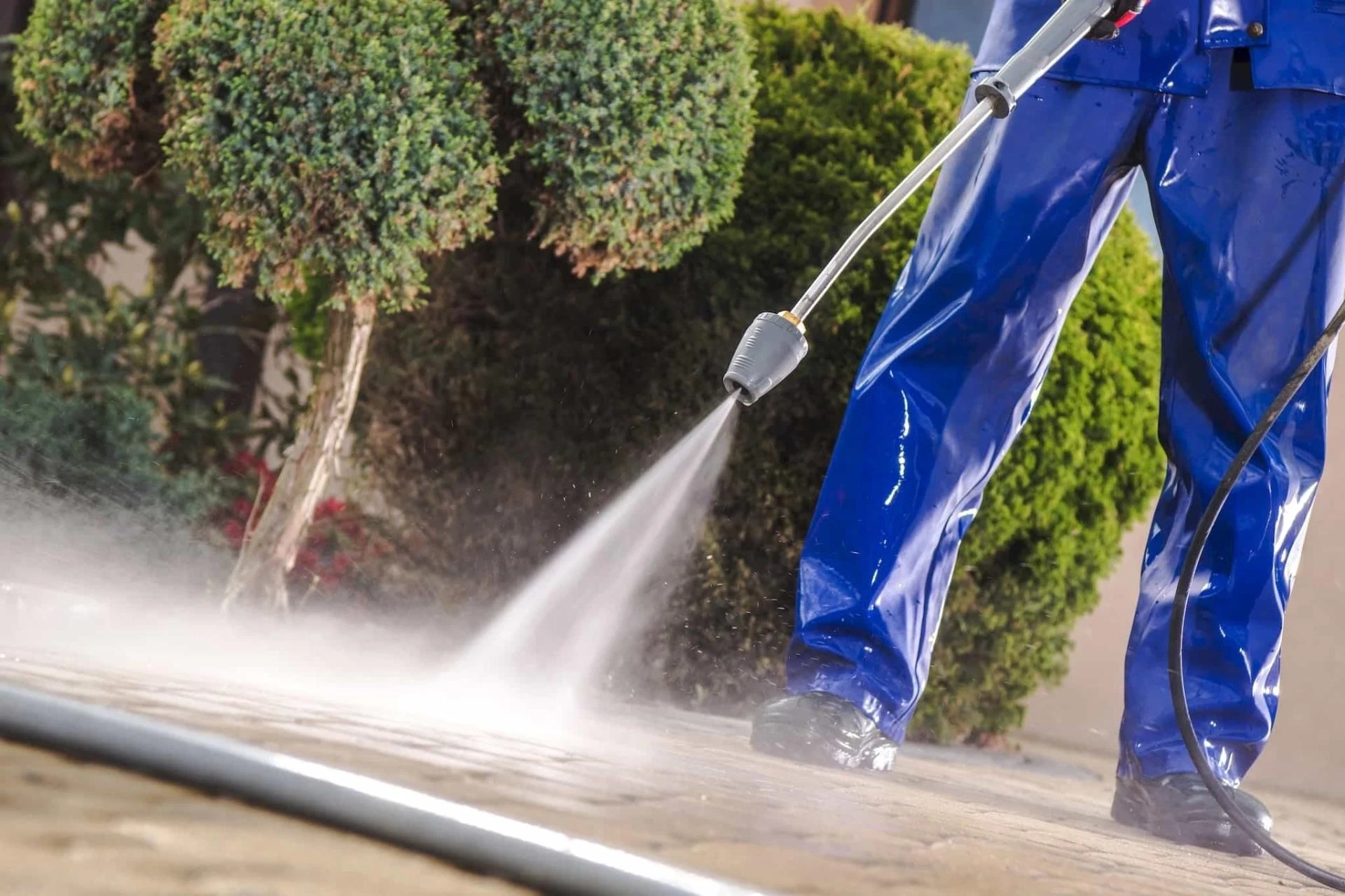
- Sweep paths, wipe down outdoor tables, and hose down the deck if needed
- Add small touches – a clean tablecloth, some shade, maybe a few pots that are actually alive
I did this in my own courtyard last year. It’s tiny, but once the dead pot plants and random timber offcuts were gone, it felt twice the size. Nothing fancy – just less junk in the way.
Green waste, hard rubbish and what goes where
Not all rubbish can be treated the same, and mixing everything together usually makes the job harder and more expensive.
Green waste
This covers your:
- Lawn clippings and leaves
- Hedge and shrub prunings
- Small branches and twigs
Depending on your council and space, you can:
- Use the green bin (if the volume isn’t huge)
- Drop a load at a green waste facility
- Compost some of it on-site if you’re set up for that
- Book a green-waste–focused collection or removal service
NSW is pushing hard on better use of food and garden organics through FOGO (Food Organics and Garden Organics) services, with statewide mandates rolling out, so less of this stuff ends up in landfill. If you’ve got a FOGO bin already, it’s worth checking the local rules on what can go in.
Hard rubbish
This is the heavier, awkward stuff:
- Old outdoor settings, broken chairs, rusted BBQs
- Kids’ equipment that’s cracked or unsafe
- Random renovation leftovers – bricks, tiles, bits of timber
Options here usually include:
- Council hard rubbish pick-up (if offered in your area)
- Loading a trailer and heading to the tip
- Booking a skip or a private rubbish removal service
Just be wary of:
- Old sheeting, eaves or fences that could contain asbestos
- Chemicals, paint tins and similar nasties that need special handling
When in doubt, your council website or the NSW Environment Protection Authority (EPA) pages are your friends.
Staying on the right side of the rules
Under NSW laws, waste is pretty tightly regulated – not just for big companies, but also for how all waste is handled and disposed of across the state. The EPA sets rules for how waste is transported and managed, and updates regulations to maintain high industry standards.
For everyday households, this mostly shows up as:
- Rules about what can go in each kerbside bin
- Limits and conditions on hard rubbish and green waste collections
- Clear restrictions and penalties for illegal dumping.
If you want to dig deeper into the legal side, the EPA’s information on waste management regulations in NSW explains how the main waste regulation fits within the broader system.
A couple of practical takeaways for a backyard clean-up:
- Don’t dump trailer loads of garden waste in bushland “because it breaks down” – it counts as dumping
- Don’t leave big piles of rubbish on the verge outside the allowed window for council collection
- Think twice before accepting a “cash” deal from someone offering to take everything away with no paperwork
If rubbish from your place ends up dumped illegally, enforcement agencies can and do chase the source, and fines can hurt a lot more than a legitimate removal fee.
DIY, skip bin or rubbish removal service?
So which way do you jump? It depends a bit on your energy levels and how much you’ve actually got lying around.
DIY can work when:
- You’ve got a standard suburban yard
- The green bin and maybe one tip run will cover it
- You’re happy to chip away over a few weekends
At one point, I borrowed a mate’s trailer, did two trips to the tip and felt very smug… until I added up the time, fuel and tip fees. It was still cheaper than a skip, but not by as much as I’d assumed.
Skip bins suit bigger, mixed clean-ups:
- Garden waste plus old furniture or minor renovation rubbish
- Properties with a driveway or safe on-street space
- Jobs where you want everything out in one go
You do need to watch:
- What’s allowed in each type of bin
- Weight limits if you’re tossing bricks, soil or concrete
- Neighbours deciding your skip is now “ours”
Rubbish removal services make sense when:
- Access is tricky (steep block, lots of stairs, narrow paths)
- You’ve got more green waste than you can realistically handle
- Time is tight, and you just need it gone before the in-laws show up
If you were turning this into a content hub on Medium or your own site, a deeper guide on how to choose a rubbish removal service could walk through how to compare quotes, what insurance and licences to check, and warning signs to avoid.
Making your festive clean-up more sustainable
It’s pretty easy for December to become one long rubbish stream – packaging, decorations, food waste, plus whatever you cleared from the yard. A few small tweaks make the whole thing less wasteful.
Ideas that don’t require you to become a zero-waste saint:
- Keep green waste separate and clean so it can be composted or mulched properly
- Compost what you realistically can – even just leaves and clippings
- Set aside usable items (chairs, pots, toys) to sell, swap or give away
- Avoid tossing e-waste, chemicals or batteries into general rubbish – use proper drop-off points instead
If you want to build this out with more detail later, an external explainer on sustainable garden waste disposal tips could dig into things like community composting, soil health and how organics recycling actually works behind the scenes.
Final thoughts
If your place is like most Aussie homes, the garden doesn’t need to look like a magazine shoot before people come over. It just needs to feel looked-after and safe to walk around barefoot.
A slow lap of the yard, three simple stages (sort, prune, remove) and a bit of respect for local waste management regulations gives you most of what you need. Add one decent mow, clear the tripping hazards, ditch the truly broken stuff, and suddenly the space feels welcoming again.
Do that now – not the night before Christmas – and you’re far more likely to be sitting under the shade with a cold drink when the first guests arrive, instead of hauling branches to the kerb in your good shirt.
























Sign in to leave a comment.