
Introduction:
Counterfeit products pose a significant threat to businesses and consumers alike. The proliferation of fake items in various industries not only leads to financial losses but also jeopardizes the safety and trust of consumers. One powerful tool that can help combat this menace is the use of barcodes. In this blog, we will delve into the world of counterfeit products, the impact they have on brands and customers, and how industries can effectively utilize barcodes to identify and prevent the circulation of fake products, thus safeguarding their brand reputation.
The Rising Menace of Counterfeit Products
What Constitutes a Fake Product?
Counterfeit products, or fake goods, are those manufactured and sold under false pretenses, masquerading as genuine products. These items are produced illegally and do not meet the quality standards of the original product they imitate. Examples of counterfeit goods range from luxury items and pharmaceuticals to everyday products like food and beverages.
The Implications of Counterfeit Products
The growth of counterfeit products has far-reaching implications for both brands and customers. For brands, it can severely damage their reputation and trust among consumers. The availability of counterfeit goods at lower prices often leads customers to choose them over genuine products, affecting sales and revenue. On the other hand, consumers unknowingly purchasing fake products can experience disappointment, health risks, and a loss of trust in the brand.
How Barcodes Serve as a Defense Against Counterfeit Products
Understanding Barcodes
Barcodes are a unique arrangement of vertical bars that contain specific details about a product, including the manufacturer, product number, and serial number. They not only provide vital product information but also serve as a tool for tracking and monitoring a product's lifecycle, from manufacturing to distribution to sale.
Key Differences: Genuine vs. Fake Products
One of the fundamental ways industries combat counterfeit products is by using barcodes. Genuine products come with a unique serial number or barcode, meet specific quality standards, and are manufactured by authorized product manufacturers. On the other hand, fake products lack a unique serial number or barcode, do not meet quality standards, and are produced by unauthorized manufacturers.
Identifying and Authenticating Products Using Barcodes
Signs of Fake Products
To effectively identify fake products, businesses need to educate themselves on the signs that indicate a product may be counterfeit. Poor packaging, unusual textures, missing features, significantly lower prices, and the absence of warranty or support are common signs.
Utilizing Barcodes for Authentication
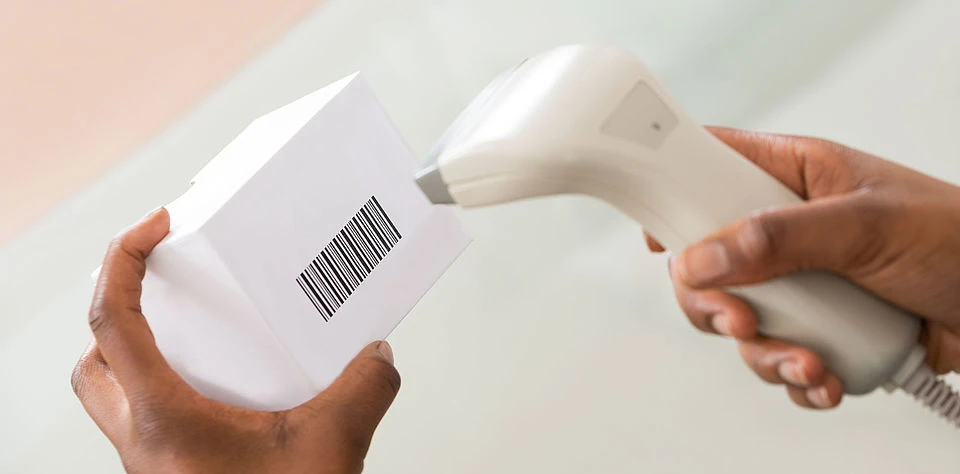
Barcodes provide a unique identification for each product, allowing companies to scan and verify product authenticity. A unique number is embedded in each barcode, and scanning it enables businesses to follow the product along the supply chain, ensuring its genuineness.
Barcode Quality and Placement
Examining barcode quality, placement, size, proportions, and labels or stickers can aid in identifying counterfeit products. Genuine products have well-printed barcodes placed in standard locations, whereas counterfeit products may have irregularities.
Best Practices to Combat Counterfeit Products
Implementing Product Serialisation
Implementing a serialisation system assigns a unique code (barcode or QR code) to each product, enabling tracking throughout the product's lifecycle. This helps identify counterfeit goods and ensure only genuine products reach the market.
Collaboration and Market Vigilance
Collaborating with merchants and third-party logistics suppliers and maintaining market vigilance are crucial steps in preventing counterfeit products. Regular monitoring of the market can help spot fake goods and take necessary actions to halt their production and sale.
Advanced Authentication Techniques
Microscopic Authentication
Microscopic authentication involves a detailed examination of a product's texture, color, and design to spot minute variations between real and fake goods that are difficult to discern with the naked eye.
Holographic Authentication
Holographic authentication utilizes holographic labels that are challenging to duplicate, making it difficult for counterfeiters to produce products with identical holographic images.
RFID Technology
Radio-Frequency Identification (RFID) technology uses electronic tags to identify products, providing detailed product information to authorized personnel using specialized RFID scanners.
Watermarking and DNA Marking
Watermarking involves incorporating unique images or patterns into product labels or packaging that are challenging to recreate. DNA marking, on the other hand, entails adding distinctive DNA sequences to products during production.
Conclusion
Counterfeit products continue to be a persistent issue that threatens brands, consumers, and industries at large. Barcodes provide an effective tool to combat this menace by enabling accurate product tracking and authentication. By implementing best practices, leveraging advanced authentication techniques, and fostering collaboration, businesses can take significant strides towards eradicating counterfeit products, thereby safeguarding their brand reputation and consumer trust.
In a world where authenticity and safety are paramount, embracing the potential of barcodes is not just a smart business move but a responsibility to protect consumers and maintain brand integrity.

























Sign in to leave a comment.