

In recent years, working from home has opened a host of opportunities, from freelancing to e- commerce, and for many, assembling products at home has become a viable source of income. Whether it’s furniture, gadgets, appliances, or small consumer goods, the ability to assemble products efficiently can provide steady work for individuals looking to supplement their earnings. However, while the idea of working from home sounds convenient, it’s not without risks. Improper practices in assembly work can lead to injuries, product damage, or long-term health issues.
According to the U.S. Occupational Safety and Health Administration (OSHA), home-based
workers performing manual tasks have increasingly reported injuries related to inadequate safety precautions. From repetitive strain injuries to cuts, bruises, and even back problems, the hazards are real.
This guide explores work home assembling products safely, providing detailed insights, best practices, and practical tips. By implementing these strategies, you can protect your health,
improve efficiency, and maximize productivity while minimizing the risks associated with home assembly work. Keep reading.
Understanding the Risks of Home-Based Assembly Work
Before diving into safety tips, it’s important to recognize the common hazards associated with assembling products at home:
● Repetitive Strain Injuries (RSIs): Continuous screwing, hammering, or lifting can strain
muscles and tendons.
● Cuts and Abrasions: Sharp edges on materials, tools, or packaging can cause injuries.
● Back and Joint Pain: Lifting heavy items or working at improper heights may result in
musculoskeletal issues.
● Eye Injuries: Flying debris from sawing, drilling, or snapping pieces together can damage eyes.
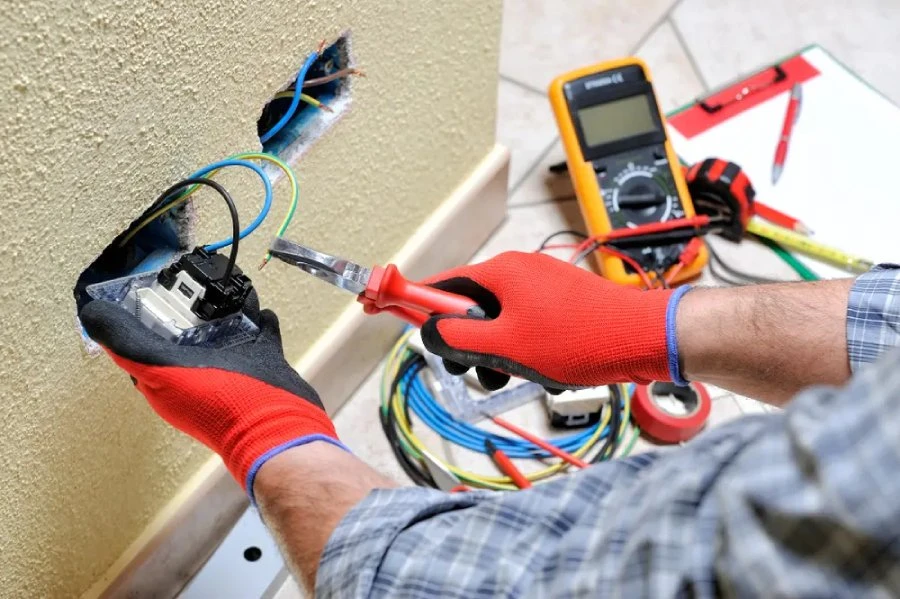
● Electrical Hazards: Assembling electronic products without proper care can pose shock risks.
Recognizing these risks allows home-based workers to adopt a proactive approach. The age- old idiom “forewarned is forearmed” applies perfectly; understanding potential dangers is the first step toward a safe assembly environment.
Setting Up a Safe and Ergonomic Workspace
A dedicated workspace is essential for work home assembling products. A cluttered or makeshift area increases the likelihood of accidents. Consider the following:
● Designate a Specific Area: Use a room or section of your home solely for assembly
work. Keep traffic minimal to avoid distractions.
● Proper Lighting: Ensure the space is well-lit to prevent eye strain and reduce errors.
LED overhead lights or adjustable task lamps are ideal.
● Ergonomic Workstations: Use tables or benches at waist height to prevent bending or
hunching. Anti-fatigue mats reduce leg strain if standing for long periods.
● Organized Layout: Keep tools, materials, and products within arm’s reach to minimize
excessive movement and accidents.
A well-organized, ergonomic workspace not only improves safety but also enhances efficiency. As the saying goes, “measure twice, cut once”, preparing your workspace carefully reduces mistakes later.
Using the Right Tools and Personal Protective Equipment (PPE)
Using proper tools and protective gear is non-negotiable in home assembly work:
● Hand Tools: Invest in ergonomic screwdrivers, pliers, and wrenches that reduce strain
on your hands and wrists.
● Power Tools: If using drills or electric screwdrivers, ensure they are in good condition
and used according to instructions.
● Gloves: Protect hands from cuts, splinters, and abrasions.
● Safety Glasses: Always shield your eyes from flying debris or accidental impacts.
● Supportive Footwear: Closed-toe shoes prevent foot injuries from dropped tools or
products.
Proper equipment is like “bringing your A-game” to the assembly table; having the right tools and gear ensures precision, speed, and, most importantly, safety.
Safe Handling and Lifting Techniques
One of the most common causes of injuries in home-based assembly work is improper lifting. Whether it’s boxes of parts, furniture, or appliances, following correct lifting techniques is crucial:
● Bend Your Knees: Keep your back straight and use your legs to lift heavy items.
● Hold Items Close: Carry objects close to your body to maintain balance and reduce strain.
● Ask for Assistance: For bulky or awkward items, don’t hesitate to enlist help.
● Use Tools for Assistance: Dollies, carts, and sliders reduce the risk of back injuries.
Applying these methods helps prevent musculoskeletal injuries, which are among the most common long-term problems for people working from home in assembly roles.
Following Instructions and Product Guidelines
Each product comes with specific assembly instructions for a reason. Skipping steps, improvising, or rushing can lead to:
● Product malfunction or damage
● Personal injuries
● Wasted time and materials
Always read manuals thoroughly before beginning work, and if available, watch tutorial videos provided by the manufacturer. Work smart, not hard, following instructions carefully ensures accuracy and safety.
Managing Repetitive Strain and Fatigue
Repetitive motions such as screwing, hammering, or folding can cause strain over time. Strategies to reduce fatigue include:
● Scheduled Breaks: Pause every hour to stretch and rest muscles.
● Alternate Tasks: Switch between tasks to prevent repetitive motion injuries.
● Stretching Exercises: Focus on wrists, shoulders, neck, and back to relieve tension.
● Hydration: Keep water nearby; dehydration can exacerbate fatigue.
A well-paced workflow keeps your body healthy and your work quality high. Remember, “slow and steady wins the race.”
Maintaining a Clean and Organized Workspace
A tidy workspace minimizes hazards. Tips include:
● Dispose of scrap materials promptly.
● Keep tools organized and off the floor.
● Clearly label hazardous materials.
● Sweep or vacuum to prevent slips or trips.
A clean environment is not only professional but also a safety net for home-based assembly tasks.
Electrical and Fire Safety for Electronic Assemblies
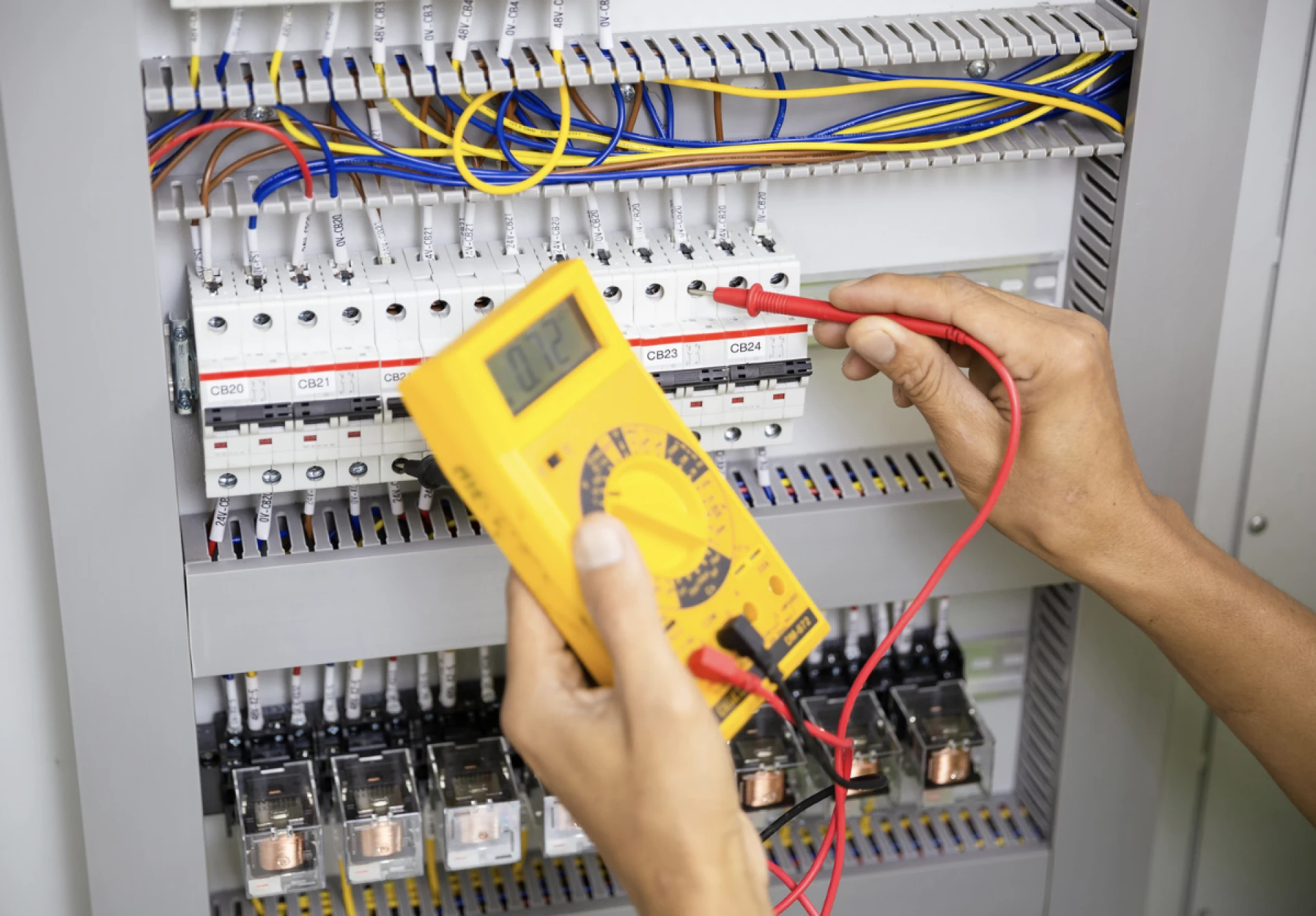
For products with electrical components:
● Avoid overloading outlets or extension cords.
● Ensure proper grounding for electronic devices.
● Use insulated tools when handling wires.
● Keep liquids away from electrical components.
Following these precautions prevents shocks, short circuits, or fire hazards.
Child and Pet Safety
If your home is shared with children or pets, take extra measures:
● Keep small parts, sharp tools, and hazardous materials out of reach.
● Use barriers or closed rooms to limit access.
● Supervise children near the workspace at all times.
A safe environment ensures that assembly work doesn’t inadvertently harm loved ones.
Tracking and Improving Your Workflow
Keeping a log of completed tasks, assembly times, and challenges can help improve efficiency and reduce mistakes. Note which products require extra care or additional tools, and refine your setup over time. Small adjustments can significantly improve safety and productivity in the long run.
Psychological Safety and Focus
Mental fatigue can be as dangerous as physical strain. Avoid distractions, practice mindfulness, and stay focused on one task at a time. Playing bacground music or using productivity timers can help maintain concentration without sacrificing safety.
When to Seek Professional Help
Some assembly tasks may exceed your capabilities. Complex furniture, heavy appliances, or intricate machinery may require professional installers. Recognize your limits, “don’t bite off more than you can chew”. Seeking help is part of a safe and smart homeworking strategy.
Conclusion
Working from home while assembling products can be rewarding and profitable, but safety must always come first. By creating an ergonomic workspace, investing in the right tools, following proper lifting techniques, taking breaks, and maintaining focus, you can reduce the risk of injury and improve efficiency. Remember to follow product instructions, organize your environment, and protect yourself and your family from hazards.
Whether you are assembling furniture, electronics, or consumer goods, a proactive approach to safety ensures that your home-based work remains sustainable and productive. Start small, plan carefully, and gradually refine your setup. After all, a safe and well-organized workflow is the key to long term success in work home assembling products, helping you stay productive, healthy, and confident while earning from the comfort of your own home.






















Sign in to leave a comment.