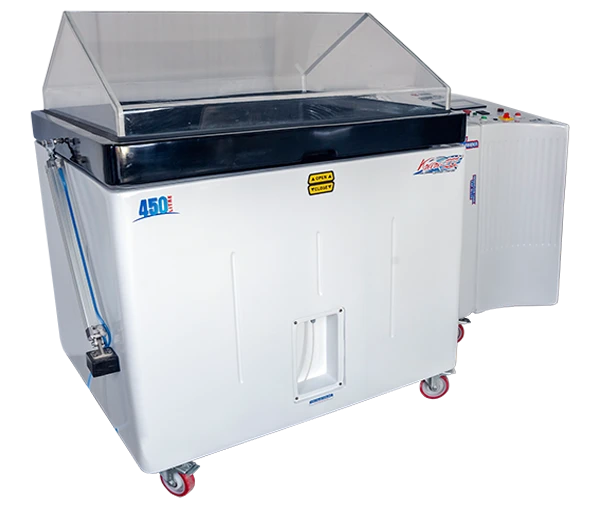

In today's fast-paced manufacturing and quality assurance world, ensuring the durability and reliability of materials and products is critical. One of the most effective ways to predict how materials will perform in harsh environmental conditions is through accelerated testing, and salt spray chamber testing is one of the most widely used methods. This testing simulates the effects of prolonged exposure to salt-laden air, helping manufacturers assess the corrosion resistance of materials, coatings, and components.
Salt Spray Chamber Testing: Accelerating Corrosion for Predictive Material Analysis
The salt spray chamber is a controlled testing environment designed to expose materials to a fine mist of saltwater, simulating the corrosive effects of oceanic or industrial environments. The goal of this test is to accelerate the natural process of corrosion, allowing manufacturers to assess how well coatings and materials hold up against long-term exposure to harsh conditions. This testing is crucial in industries like automotive, aerospace, and construction, where components are exposed to extreme weather conditions.
By simulating a real-world environment, salt spray chamber testing helps manufacturers predict the lifespan of materials and coatings. The test results provide valuable data on how products will perform when exposed to saltwater or humidity, which is particularly important for parts that are prone to rusting or deterioration. This allows manufacturers to identify vulnerable areas in their products early on, ensuring that the right corrosion-resistant coatings or materials are used in production.
Melt Flow Index Tester: Evaluating Polymer Processability
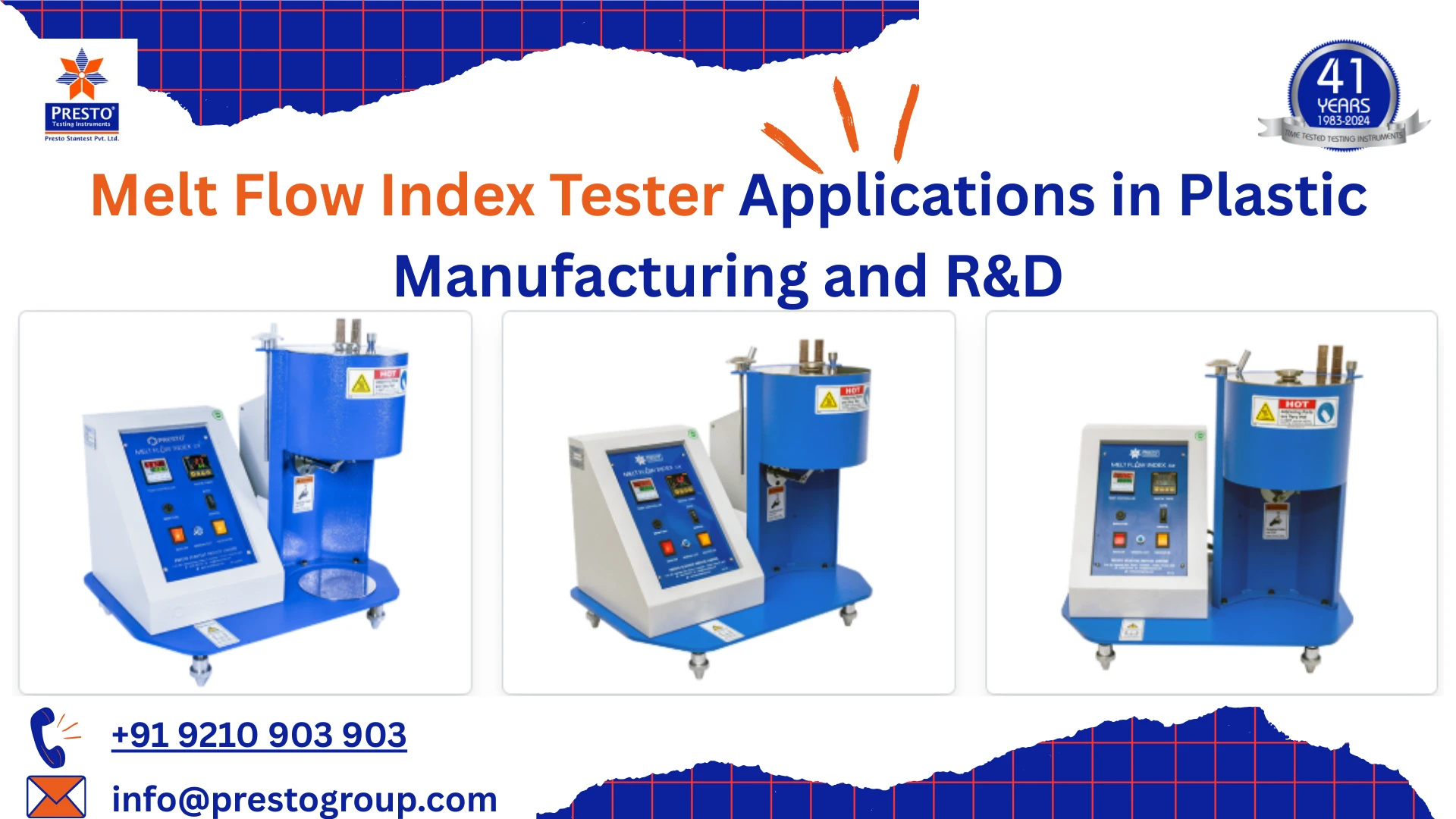
Another critical tool in material testing is the melt flow index tester. This device measures the flow rate of a polymer when heated, providing insights into its processability. By determining the melt flow index (MFI), manufacturers can assess the polymer's viscosity and behavior under processing conditions, such as injection molding or extrusion. The MFI is a crucial factor in ensuring that polymers are easy to handle and process efficiently during manufacturing.
Understanding the melt flow rate of polymers is essential for industries like packaging, automotive, and electronics, where precise material behavior is required to create functional products. The melt flow index tester helps to guarantee consistency in polymer properties, which is vital for maintaining the quality of products that rely on these materials.
Secure Seal Tester and Heat Seal Tester: Ensuring Packaging Integrity
For products that require secure packaging, secure seal testers and heat seal testers play a vital role in ensuring the packaging integrity. Secure seal testers assess the effectiveness of seals in preventing tampering or contamination, which is particularly important in industries such as food and pharmaceuticals. These testers check whether the seals are strong enough to withstand external forces and prevent unauthorized access, ensuring the product remains intact and secure throughout the distribution chain.
Similarly, heat seal testers are used to evaluate the strength of seals created by heat-sealing processes, commonly used in food packaging and medical device packaging. These testers ensure that the heat-sealed areas of packaging are secure and reliable, preventing leakage or spoilage. The strength of the seal is critical in maintaining product freshness and safety, particularly when the product must be protected from environmental factors like moisture, air, and bacteria.
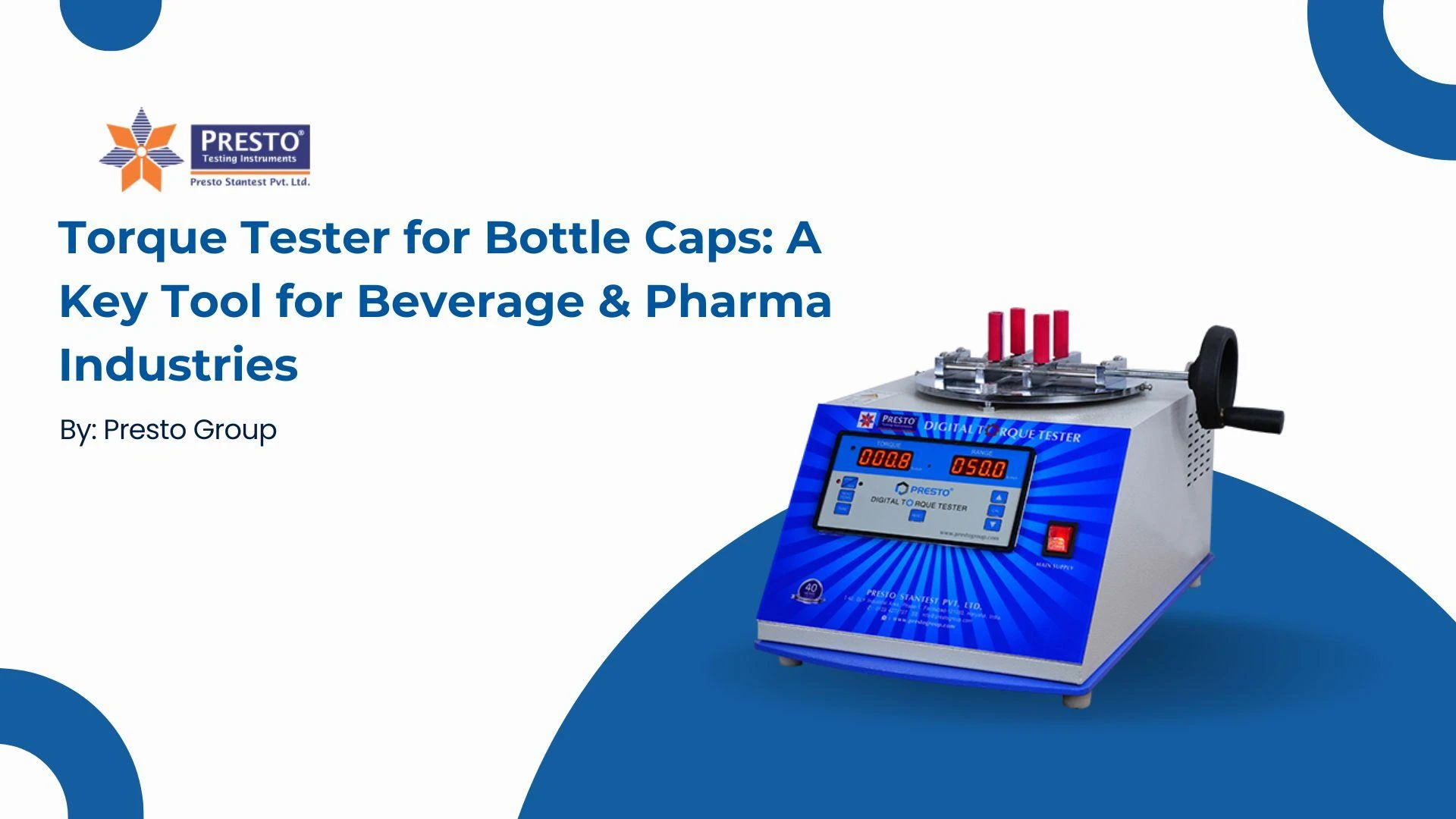
Torque Tester: Measuring Rotational Force for Product Reliability
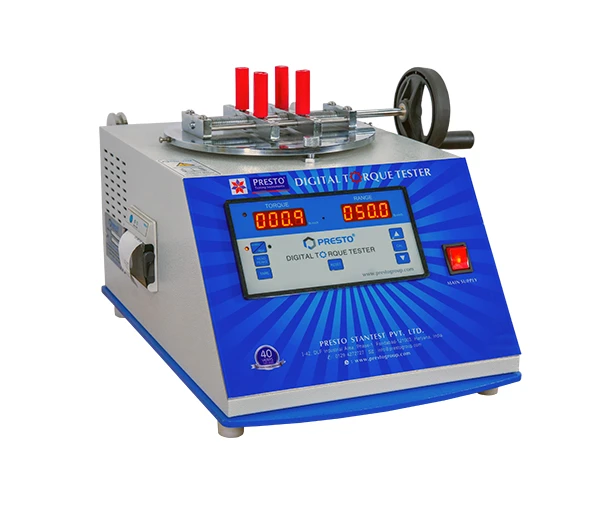
Torque testers are crucial for evaluating the reliability of fasteners and assemblies, especially in products where rotational force is involved. These testers measure the amount of torque applied to fasteners, ensuring that screws, bolts, and nuts are tightened to the proper specifications. Whether it's an automotive part, an industrial machine, or an electronic device, applying the correct torque is essential for ensuring the safety and functionality of the product.
By using a torque tester, manufacturers can verify that fasteners are neither over-tightened (which could lead to material damage) nor under-tightened (which could result in loose parts and mechanical failure). This is particularly important for industries where product safety is a priority, such as aerospace, automotive, and electronics.
Coefficient of Friction Tester: Ensuring Proper Sliding Resistance
The coefficient of friction tester is another essential device used to measure the frictional resistance between two surfaces in motion. This tester is vital for industries where smooth movement or sliding is required, such as in packaging materials, automotive components, and industrial machinery. By understanding the friction properties of materials, manufacturers can ensure that parts fit together properly and function as intended.
For example, in packaging, the coefficient of friction tester can evaluate the sliding behavior of packaging films or materials to ensure they move smoothly along conveyor systems without jamming. Similarly, in automotive applications, it can assess the friction between parts like seals or bearings to ensure optimal performance and minimal wear.
Izod Charpy Impact Tester: Assessing Material Toughness
Finally, the Izod Charpy impact tester is used to evaluate a material's toughness and its ability to withstand sudden impacts or shock loads. This testing is particularly important in industries like automotive and construction, where materials are subjected to unpredictable stresses that could cause them to crack or break. By testing the impact resistance of materials, manufacturers can ensure that their products can handle real-world conditions without failing.
In the automotive industry, for example, impact testing is used to ensure that parts such as bumpers or structural components can absorb energy during collisions, protecting passengers and enhancing safety. The Izod Charpy impact tester helps manufacturers develop products that are not only strong but also resilient under stress.
Conclusion
Salt spray chamber testing, along with other key testing tools like the melt flow index tester, secure seal tester, heat seal tester, torque tester, coefficient of friction tester, and Izod Charpy impact tester, plays a critical role in ensuring the quality, durability, and reliability of products across various industries. By simulating real-world conditions and measuring key material properties, these tests provide manufacturers with the data they need to create products that perform well under pressure, are safe for consumers, and meet regulatory standards. Ultimately, these testing tools help predict how products will withstand the test of time, enhancing both product development and customer satisfaction.
Email :- [email protected]
Call Now: +919210903903
























Sign in to leave a comment.