
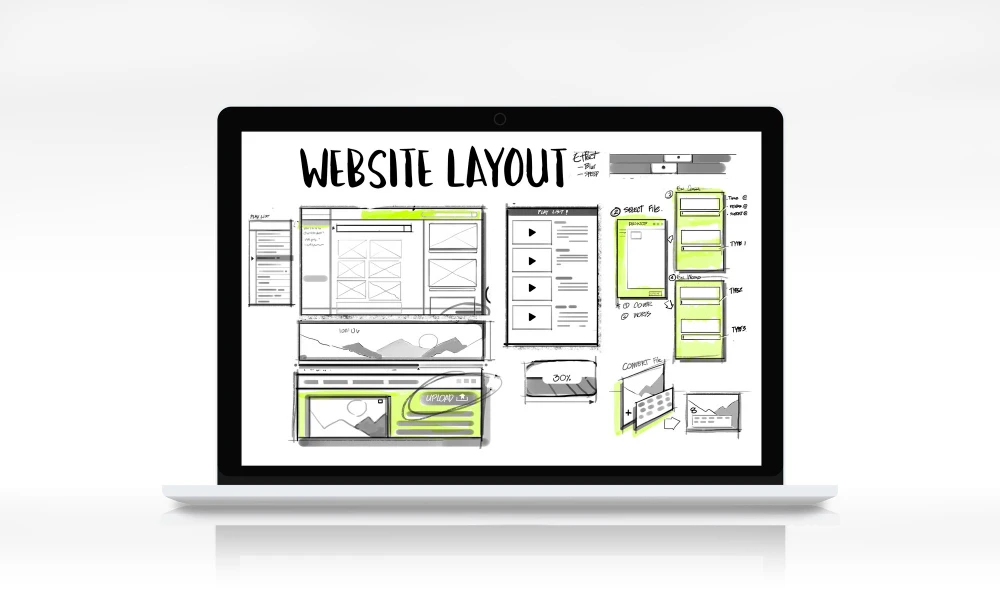
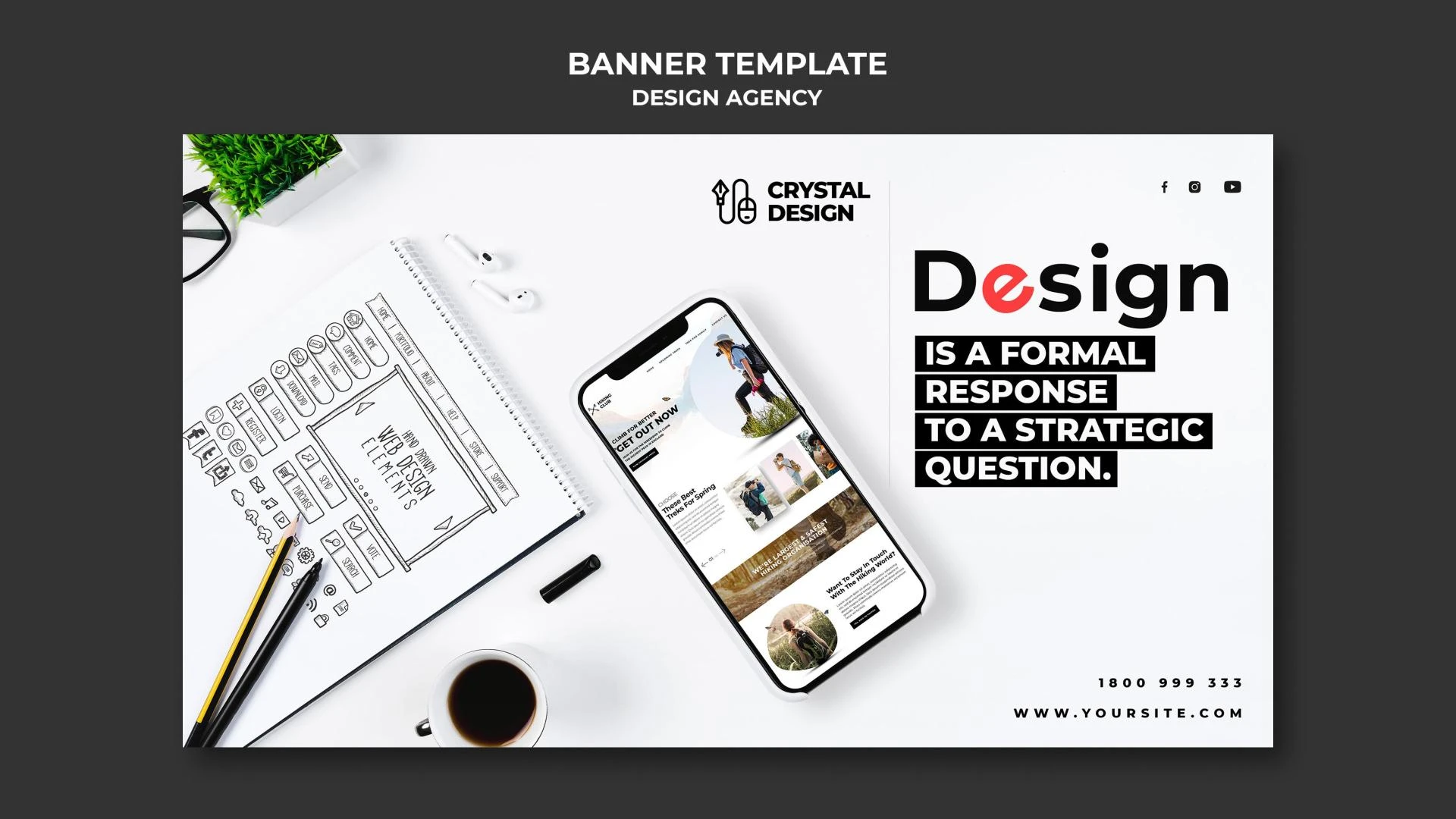
In the digital landscape, where user interfaces (UI) and user experiences (UX) reign supreme, designers play the role of modern-day sculptors. Their canvas is the screen, and their tools are pixels, colors, and interactive elements. The result? An emotional journey for users that goes beyond mere functionality.
Welcome to the world of UI/UX design, where the artistry lies in sculpting emotions.
The Fusion of Form and Function
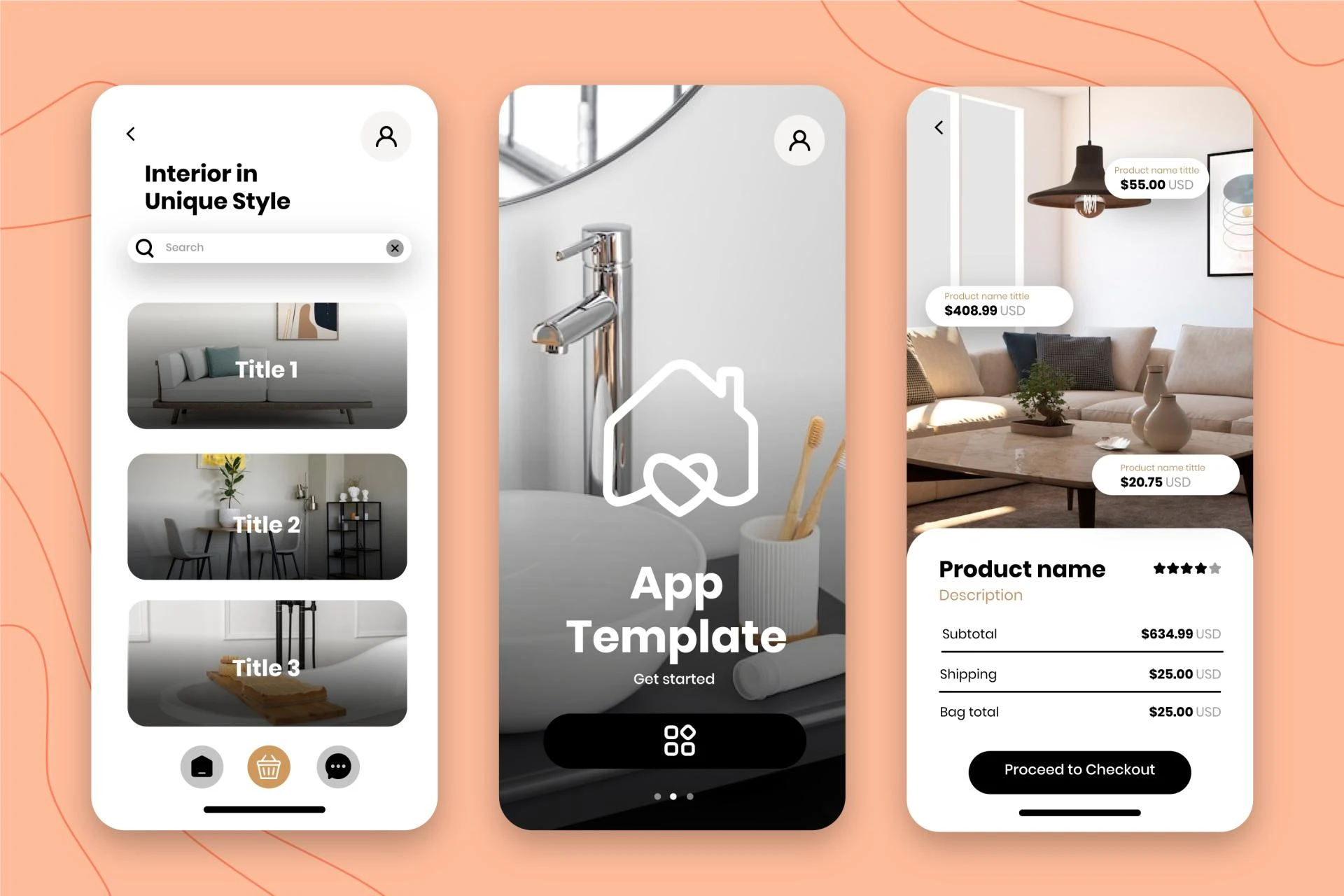
UI/UX design is more than just arranging buttons and images on a screen; it’s about creating an immersive and emotionally resonant experience. The fusion of form and function is where the true artistry comes to life. A well-designed interface not only guides users seamlessly through an application but also evokes specific emotions tied to the brand or product.
Consider the serene simplicity of Apple’s iOS, the vibrant playfulness of Google’s Material Design, or the professional elegance of Microsoft’s Fluent Design. Each UI/UX design language is a deliberate choice, aiming to sculpt a distinct emotional response from the user.
The Emotional Spectrum of Color
Colors are the palette of UI/UX designers, and their choices are far from arbitrary. The emotional impact of color is a well-researched field, and designers leverage this knowledge to create experiences that resonate with users.
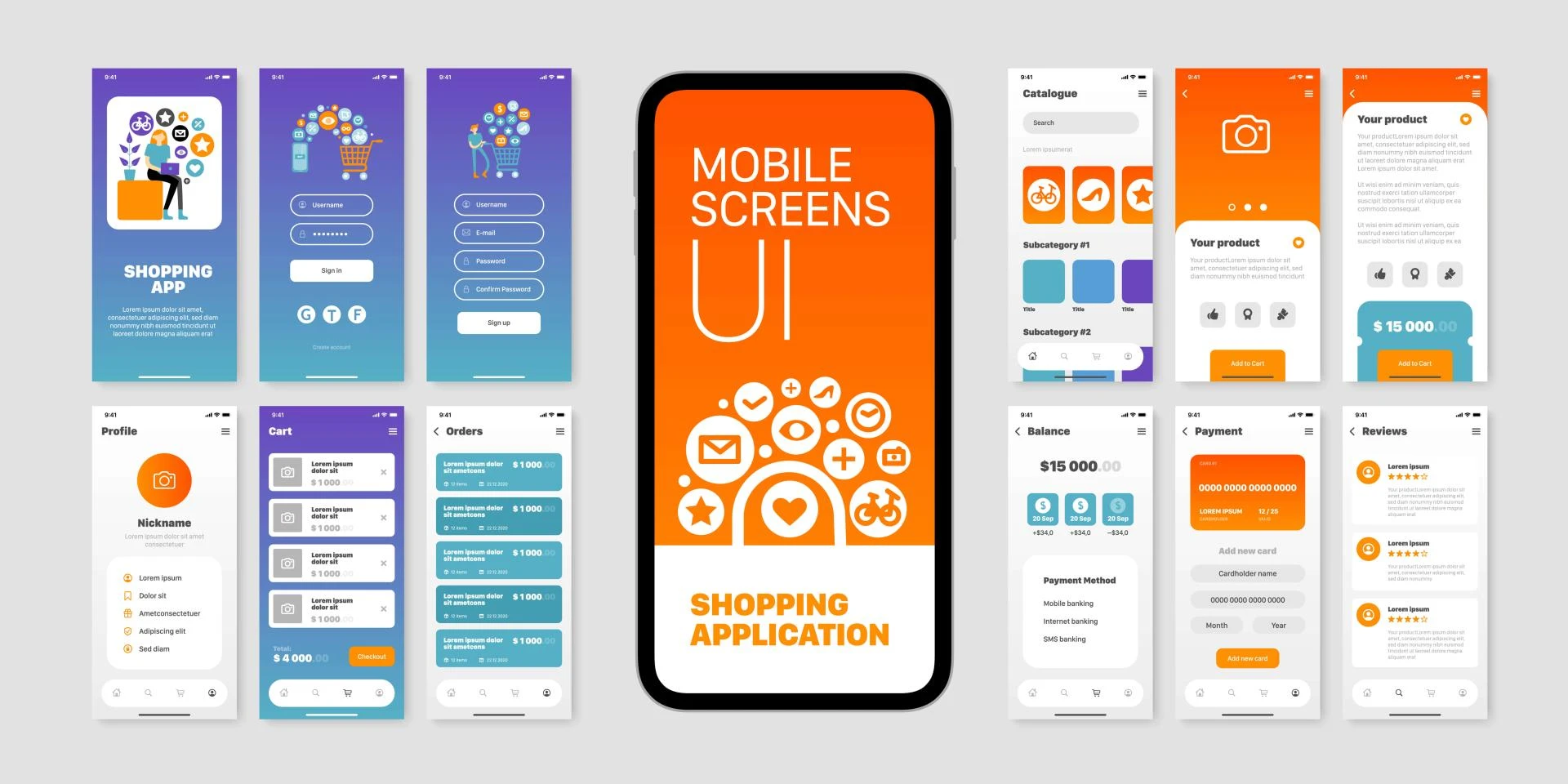
For instance, warm colors like reds and oranges can evoke feelings of excitement and energy, while cool colors like blues and greens create a sense of calm and trust. The careful selection and arrangement of colors within a user interface can significantly influence the emotional state of the user, shaping their perception of the brand or product.
Microinteractions: The Details that Matter
In the realm of UI/UX design, it’s often the smallest details that make the biggest impact. Microinteractions, those subtle animations and feedback loops that occur during user interactions, contribute immensely to the emotional quality of the user experience.
Imagine the satisfying ‘ding’ sound when you successfully send a message, or the subtle vibration of your phone when you pull down to refresh your email. These microinteractions are intentional choices made by designers to enhance the user experience, providing instant feedback and imbuing the interface with personality.
Storytelling Through Design
Every UI/UX design tells a story, and the narrative is crafted through the careful arrangement of elements on the screen. From the onboarding process to the navigation flow, users embark on a journey guided by the designer’s narrative choices.
Consider a well-designed e-commerce app where the user seamlessly moves from browsing products to completing a purchase. The narrative arc, in this case, is one of exploration, decision-making, and satisfaction. By consciously shaping this story, UI/UX designers can elicit emotions ranging from curiosity to delight.
The Role of Empathy in Design
Ultimately, the artistry of UI/UX design is rooted in empathy. Successful designers put themselves in the shoes of the users, anticipating their needs, frustrations, and desires. By understanding the emotional context of user interactions, designers can create interfaces that feel intuitive and responsive, fostering a deeper connection between the user and the digital environment.
Conclusion
In conclusion, UI/UX design is not merely a technical endeavor; it is a form of digital artistry that seeks to sculpt emotions. From the color palette to microinteractions, each decision is a brushstroke on the canvas of the user interface. In this ever-evolving landscape, designers continue to push the boundaries, exploring new ways to evoke and shape the emotional experiences of users. As technology advances, one thing remains constant — the artistry of UI/UX design will continue to be a powerful force in shaping the way we interact with the digital world.
Visit my Upwork profile for — UI/UX design, Web design & Mobile design
























Sign in to leave a comment.