
In the dynamic realm of digital design, where user experience (UX) and user interface (UI) are paramount, the significance of prototypes cannot be overstated. Prototypes serve as the unsung heroes in the journey from concept to a polished, user-friendly product.
Let’s delve into the realm of UI/UX design and unveil the transformative power that prototypes wield.
Prototypes: Bridging the Imagination Gap
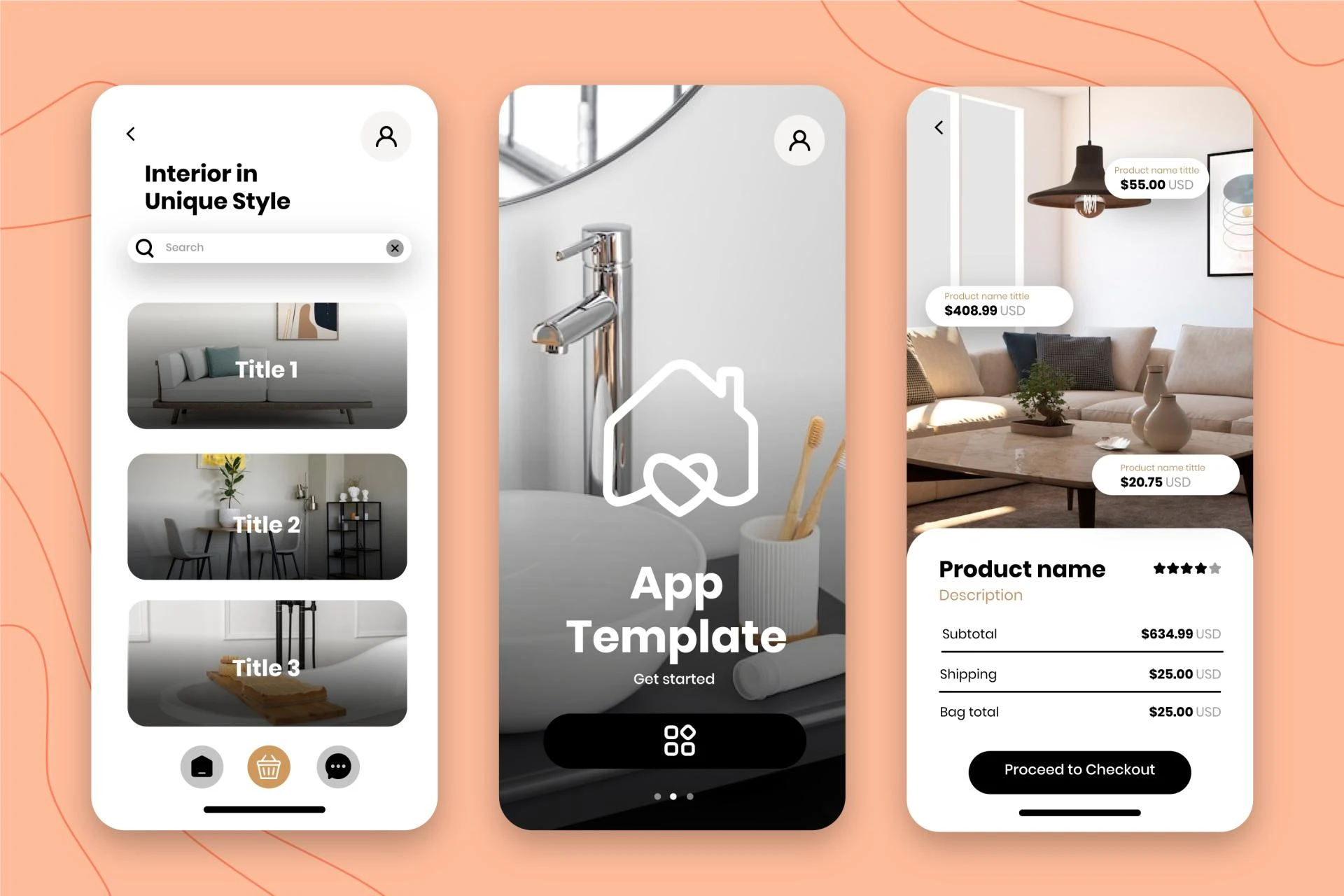
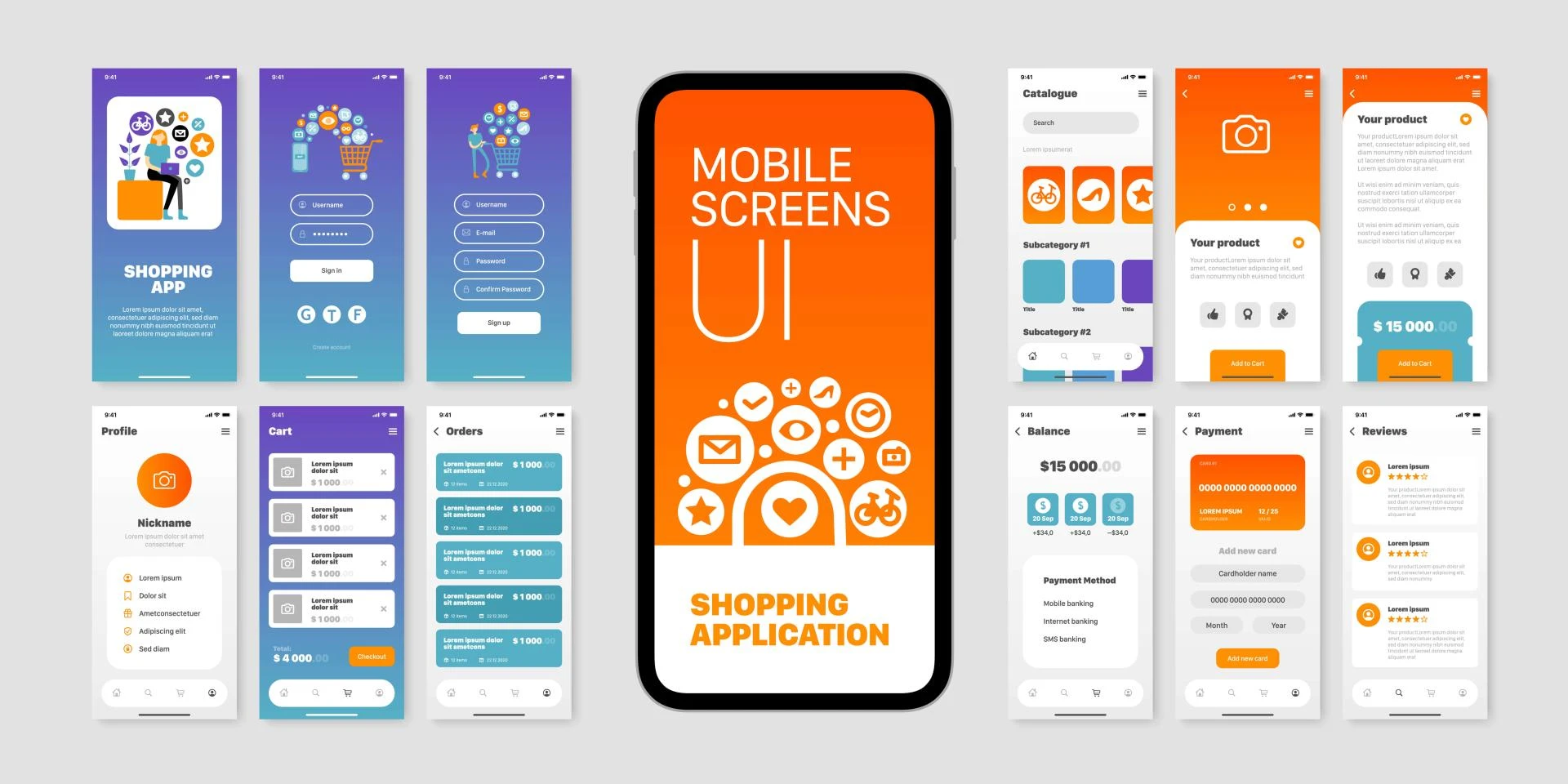
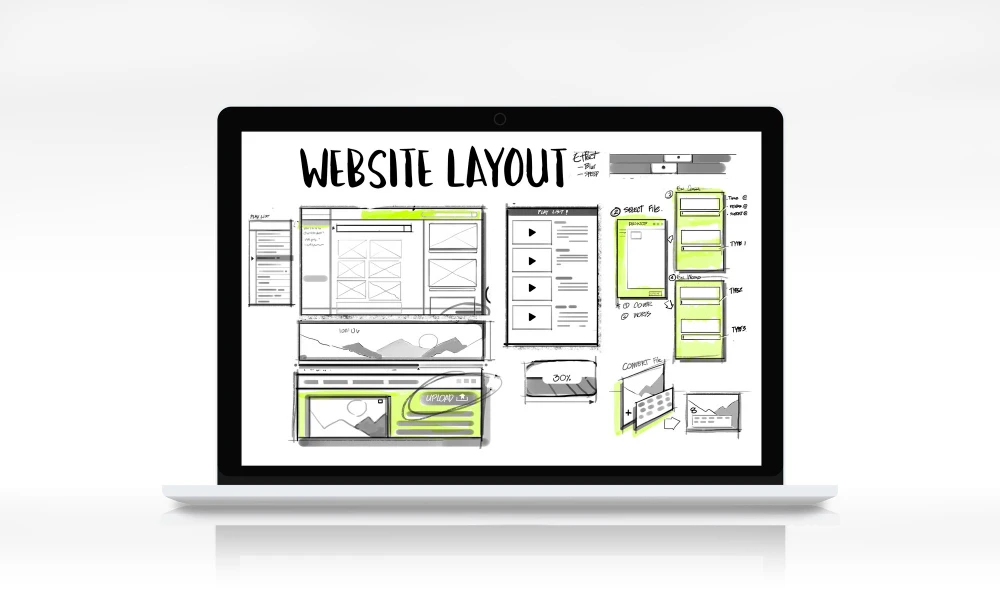
Imagine a scenario where an idea is conceptualized on a designer’s drawing board. The vision is vivid, but translating it into a tangible digital experience can be a complex challenge. This is where prototypes step in, acting as a bridge between imagination and realization. By creating a visual representation of the product’s interface and interactions, designers can communicate their ideas effectively to stakeholders and team members.
Iterative Refinement: A Key to Success
The beauty of prototypes lies in their iterative nature. They allow designers to test, refine, and enhance the user experience iteratively. This iterative process is invaluable in identifying potential issues early in the design phase, minimizing the risk of costly revisions later in the development process. UI/UX designers can gather feedback, make adjustments, and fine-tune the prototype until it aligns seamlessly with the envisioned user experience.
User-Centric Design: Prototyping in Action
Prototypes are a cornerstone of user-centric design. By creating interactive prototypes, designers can simulate the user journey and observe how users interact with the product. This hands-on approach empowers designers to identify pain points, gauge user preferences, and make data-driven decisions that lead to an optimized user interface. The result? A product that not only looks appealing but also intuitively caters to the user’s needs.
Enhancing Collaboration and Communication
Prototypes serve as a universal language in the collaborative world of design. They facilitate clearer communication between designers, developers, and stakeholders, fostering a shared understanding of the project. Whether it’s presenting concepts to clients or collaborating with a development team, prototypes provide a tangible reference point, minimizing misunderstandings and streamlining the entire design and development process.
Time and Cost Efficiency
In the fast-paced world of digital design, time is of the essence. Prototypes contribute significantly to time and cost efficiency by allowing designers to detect and rectify issues early on. This proactive approach minimizes the need for extensive revisions during the later stages of development, ultimately saving both time and resources.
The Rise of Prototyping Tools
The evolution of design tools has played a pivotal role in unleashing the full potential of prototypes. With the rise of user-friendly prototyping tools like Figma, Adobe XD, and Sketch, designers now have the means to bring their ideas to life swiftly. These tools empower designers to create interactive prototypes with ease, fostering a more streamlined and efficient design workflow.
Conclusion: Unleashing Creativity through Prototypes
In conclusion, the power of prototypes in UI/UX design is undeniable. They are not mere stepping stones in the design process; they are catalysts for innovation, collaboration, and user-centricity. As the digital landscape continues to evolve, embracing the transformative capabilities of prototypes is crucial for designers seeking to create truly exceptional user experiences. Through the art of prototyping, designers can unveil the full potential of their creativity and pave the way for a future where design is not just a process but an immersive and user-centric journey.
Visit my Upwork profile for — UI/UX design, Web design & Mobile design























Sign in to leave a comment.