
Spring Cleanup Strategies Landscapers Prioritize
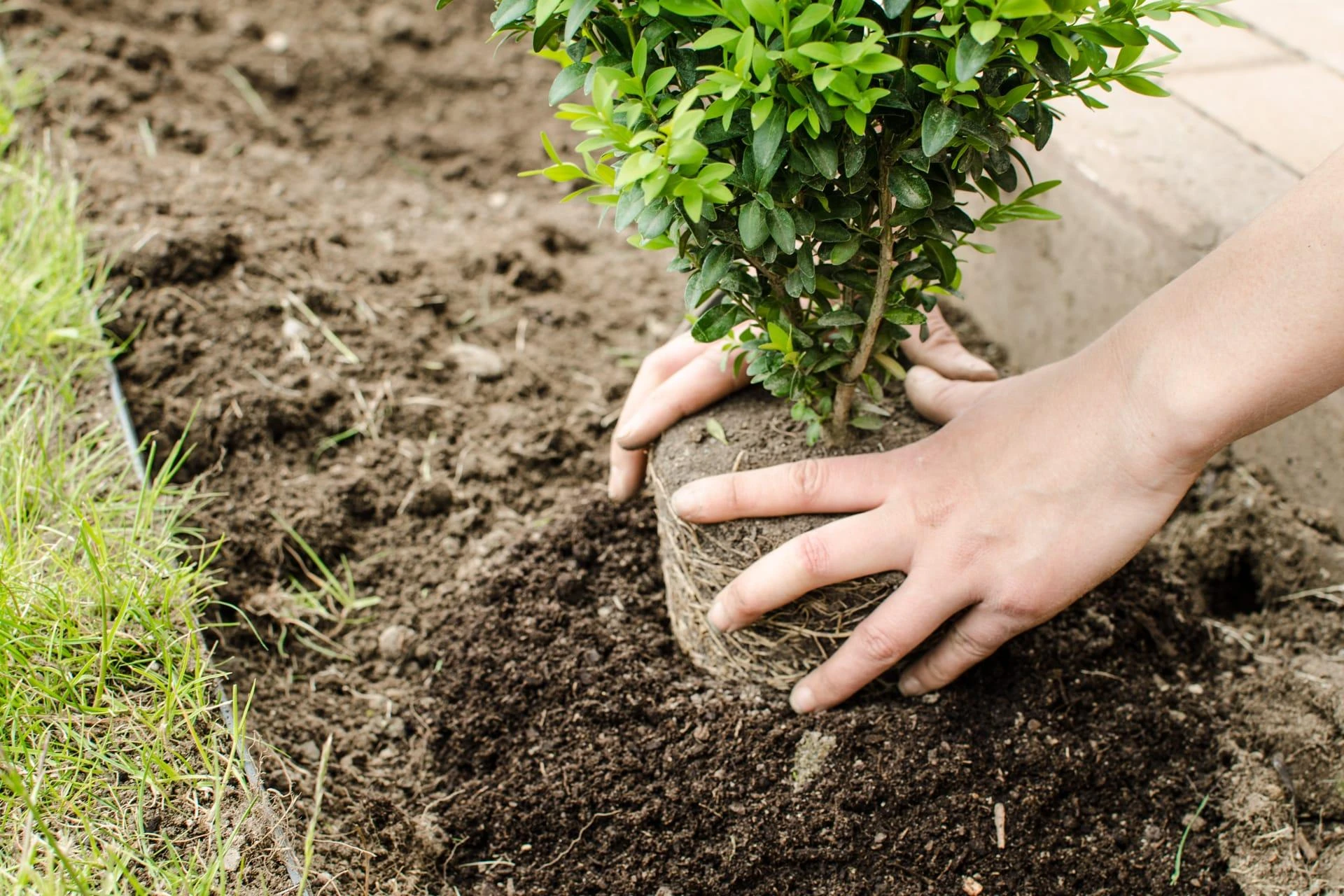
Cold months often leave outdoor areas cluttered with debris that needs immediate attention. Fallen branches, decomposing leaves, and compacted soil hinder plant recovery and growth. Knowledgeable landscapers emphasize early-season maintenance to promote a flourishing, enduring landscape throughout the warmer months. Clearing accumulated waste, replenishing organic ground cover, and restoring soil nutrients are essential spring tasks that enhance plant vitality.
“Landscaping isn’t about reacting when something goes wrong, it’s about anticipating what each season demands,” says a representative from Camellia Creek Landscape. “When we stay ahead of seasonal changes with the right cleanup, pruning, and soil care at the right time, landscapes stay healthier, stronger, and far easier to maintain throughout the year.”
- Removing organic debris prevents pest infestations, fungal infections, and nutrient depletion.
- Spreading fresh mulch conserves moisture, enriches soil, and stabilizes temperatures.
- Applying nutrient-dense fertilizers fortifies root structures and enhances growth.
Lawn Care Strategies Landscapers Recommend for Spring
Grass that has remained dormant throughout the winter requires strategic attention as temperatures begin to rise. Thick layers of thatch, compacted soil, and nutrient imbalances prevent healthy grass regrowth. Skilled landscapers use aeration, overseeding, and specialized irrigation techniques to promote deep, sturdy roots. A property once plagued by thinning, patchy grass saw remarkable improvement after incorporating customized aeration and nutrient-focused overseeding.
- Aerating facilitates oxygen circulation and encourages deep nutrient absorption.
- Overseeding strengthens turf density and fills in sparse areas.
- Adjusting irrigation methods prevents shallow roots and optimizes water retention.
Summer Irrigation and Landscape Maintenance Techniques
Warmer months introduce water retention challenges that can impact plant health and soil integrity. Professional landscapers implement strategic watering practices and soil enrichment to sustain lush, resilient landscapes during peak heat. Shallow watering weakens plant durability, increasing susceptibility to dehydration and disease. A carefully maintained lawn and garden endure intense summer heat far better than those lacking adequate hydration and protection.
- Deep hydration fosters robust root expansion and enhances drought resistance.
- Organic mulching minimizes evaporation, retains nutrients, and suppresses weeds.
- Precision mowing techniques shield grass from excessive heat exposure and promote even growth.
Pruning and Plant Care Methods Landscapers Apply in Summer
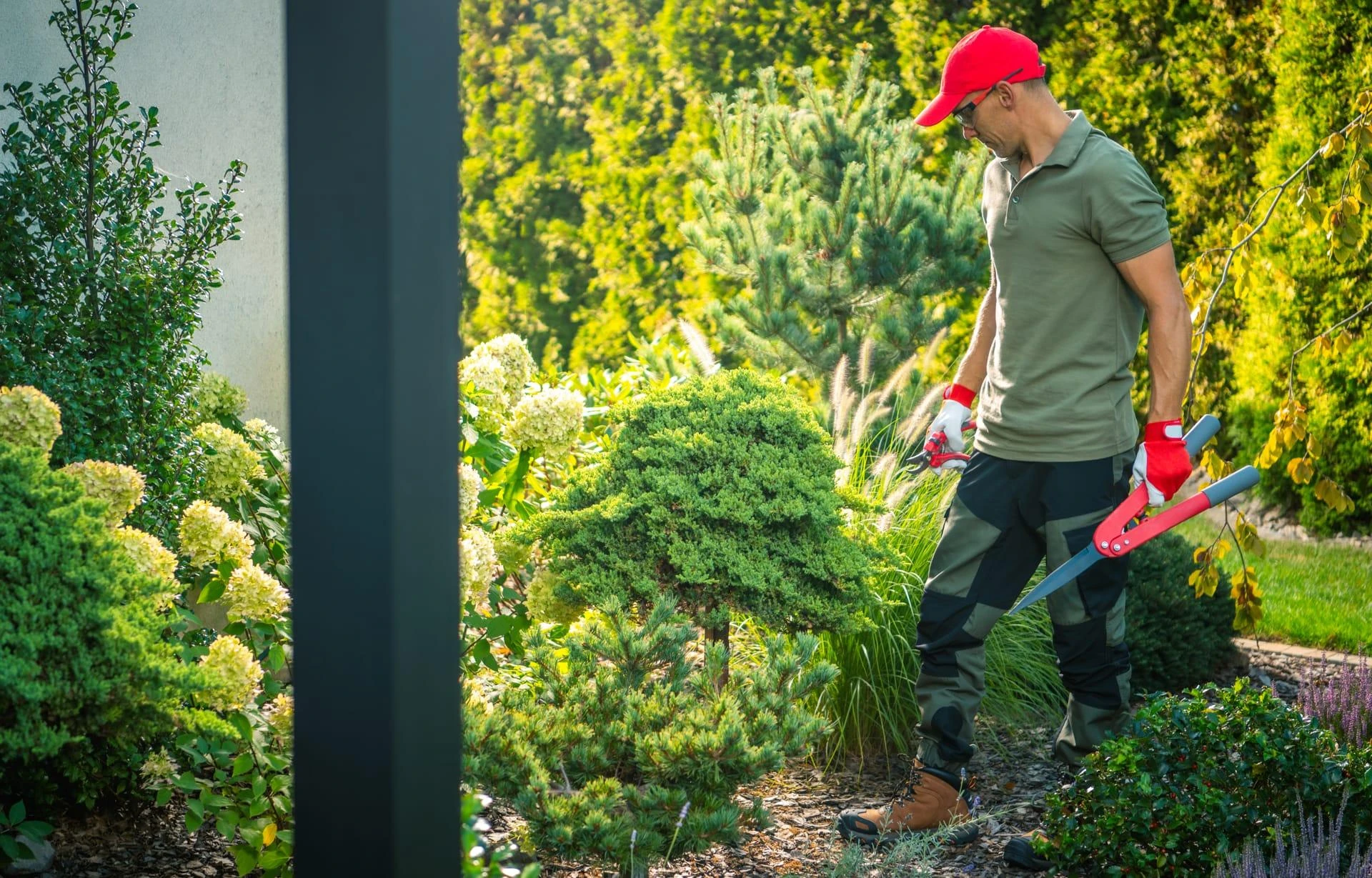
Mid-season trimming plays a crucial role in controlling plant development and stimulating continued blooming. Cutting back perennials, shaping shrubs, and removing spent foliage prevent excessive growth and encourage healthier regrowth. Experienced landscapers eliminate diseased or weakened plant sections to enhance structural integrity. A poorly maintained landscape quickly becomes overgrown, diminishing curb appeal while inviting invasive pests.
- Pruning lifeless branches prevents disease spread and conserves plant energy.
- Deadheading withered flowers supports prolonged seasonal blooming cycles.
- Trimming overgrown plants enhances airflow and strengthens overall structure.
Essential Autumn Landscaping Tasks Landscapers Emphasize
Cooler weather signals the importance of preparing outdoor spaces for winter survival. Landscapers focus on soil fortification, comprehensive leaf removal, and critical lawn treatments to ensure a seamless transition into colder months. A landscape well-prepared for winter exhibits stronger soil composition, healthier root development, and increased plant durability. Neglecting fall maintenance results in additional restoration work when spring arrives.
- Raking excess foliage prevents suffocation and mitigates mold accumulation.
- Fertilizing during autumn fortifies roots and enhances cold-weather endurance.
- Trimming back perennials encourages healthier regrowth when temperatures rise again.
Winter Protection and Preservation Techniques Landscapers Use
Cold temperatures bring risks such as frost damage, ice accumulation, and plant dehydration. Expert landscapers implement preventative techniques to shield delicate plants and hardscapes from winter stress. Wrapping young trees, distributing insulation-rich mulch, and ensuring pathways remain clear contribute to landscape preservation. Properties that receive consistent winter care recover more effectively once spring conditions return.
- Mulching around root bases insulates plants and minimizes temperature fluctuations.
- Covering vulnerable shrubs shields them from intense winds and freezing weather.
- Clearing ice from walkways prevents hardscape cracks and maintains safety.
Landscapers’ Year-Round Strategies for Maintaining Healthy Landscapes
Consistent upkeep throughout the seasons prevents costly repairs and preserves long-term landscape aesthetics. Landscapers develop tailored care plans that address seasonal shifts, ensuring outdoor spaces remain beautiful and functional. A well-maintained property enhances both aesthetic appeal and long-term structural integrity. Investing in ongoing landscape care fosters a sustainable, thriving environment capable of adapting to fluctuating conditions.
- Scheduled maintenance preserves landscape longevity and structural resilience.
- Proactive solutions prevent weather-related damage and environmental stress.
- Seasonal modifications optimize plant growth, soil retention, and landscape health.
Key Seasonal Landscaping Insights from Expert Landscapers
- Spring preparation eliminates winter debris and primes outdoor spaces for growth.
- Summer hydration and pruning sustain plant vigor and reduce heat-induced stress.
- Fall maintenance enhances root strength and prepares lawns for winter resilience.
- Winter protective measures safeguard trees, plants, and hardscapes from frost damage.
- Ongoing seasonal maintenance maintains landscape health, appearance, and functionality.
Frequently Asked Questions About Seasonal Landscaping
Why do landscapes require seasonal maintenance?
Shifting temperatures, fluctuating rainfall, and varying daylight exposure impact plant health, soil conditions, and maintenance requirements, making seasonal care essential.
How often should aeration be performed?
Aeration should be completed one to two times per year, typically in spring and fall, to enhance root development and improve soil permeability.
What is the most effective irrigation approach during hot weather?
Deep, infrequent watering in the early morning or late evening reduces evaporation while allowing roots to absorb sufficient moisture.
When should trees and shrubs undergo pruning?
The ideal pruning schedule depends on plant species, but most benefit from trimming in late winter or early summer to encourage strong regrowth and disease prevention.
How can landscapes be protected from winter stress?
Applying nutrient-dense mulch, wrapping delicate vegetation, and maintaining clear pathways help mitigate seasonal stress and preserve landscape integrity.


































Sign in to leave a comment.