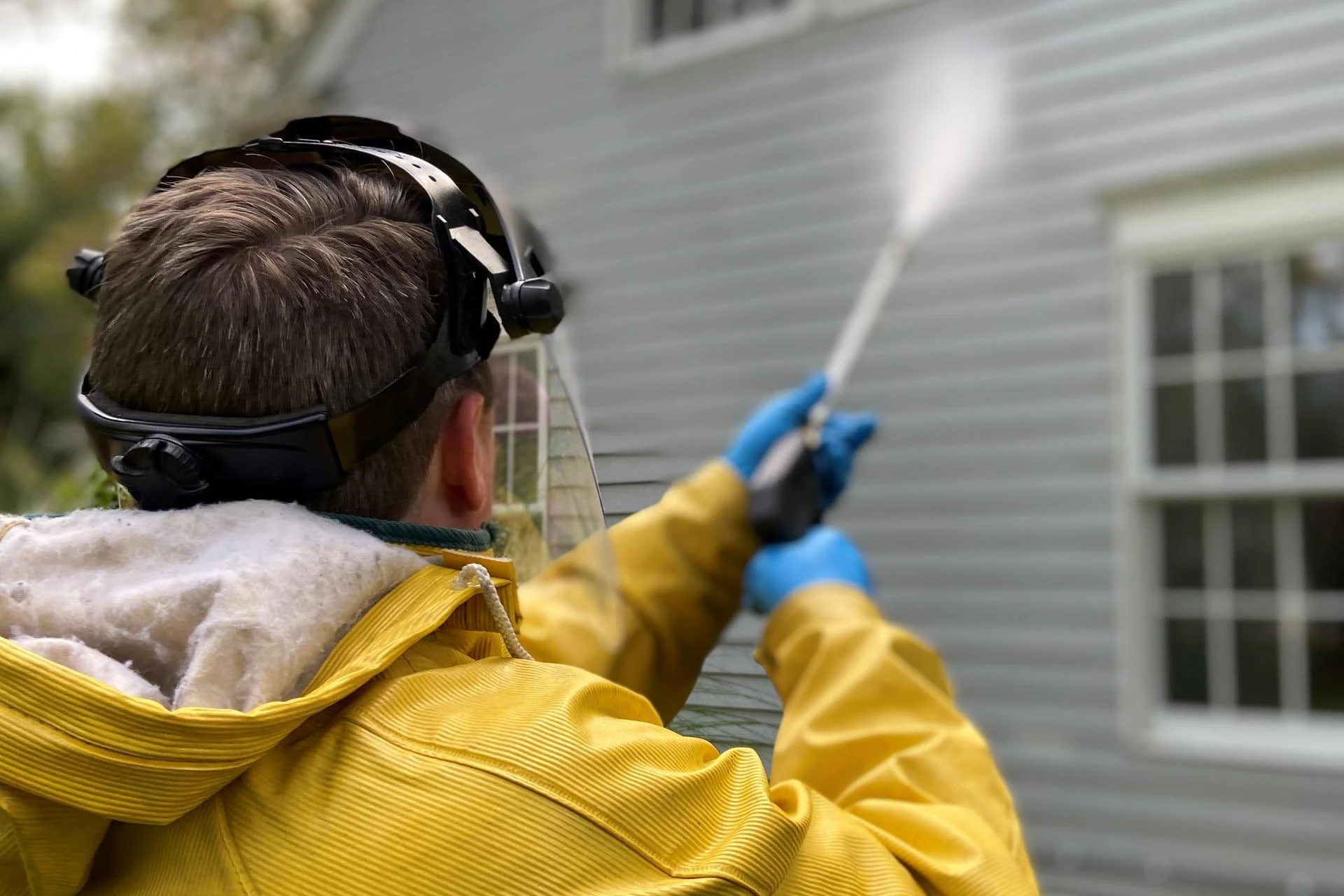

Keeping exterior surfaces clean requires more than just spraying them down with water. Many property owners struggle to choose the right method, often unsure whether pressure washing or soft washing is the best option. Each approach has its strengths—pressure washing tackles tough grime with force, while soft washing uses a milder touch combined with cleaning solutions to remove organic buildup. A professional pressure washing service knows the correct method that will help maintain surfaces without unnecessary wear and tear.
Understanding the Differences
Both techniques aim to remove dirt and contaminants, but they work in very different ways. For example, a homeowner using a high-pressure stream on a wooden deck might strip away paint and splinter the surface. Switching to soft washing provides a deep clean without damaging delicate materials.
Each method suits specific surfaces:
- Pressure washing is ideal for durable materials like driveways, stone walkways, and brick exteriors.
- Soft washing works best for fragile surfaces, such as stucco, asphalt shingles, and painted wood.
Using the right approach extends the lifespan of outdoor spaces while keeping them looking their best.
How Pressure Washing Works
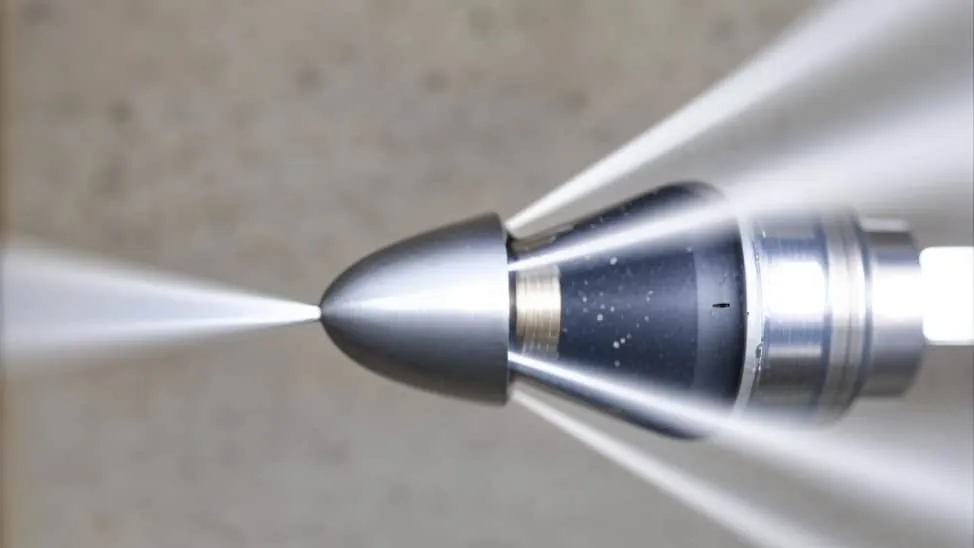
Pressure washing relies on a powerful stream of water to remove dirt, mold, and stains. With professional-grade equipment reaching up to 4,000 PSI, this technique is especially effective for:
- Removing oil stains, chewing gum, and grease from concrete.
- Prepping surfaces for repainting by stripping away loose paint.
- Cleaning mildew from brick and stone without excessive scrubbing.
However, improper use can lead to surface damage or erosion, so it’s important to know when high pressure is appropriate.
A Gentler Alternative: Soft Washing
Soft washing takes a different approach, using biodegradable cleaning agents to break down grime instead of relying on sheer force. This makes it a safer choice for:
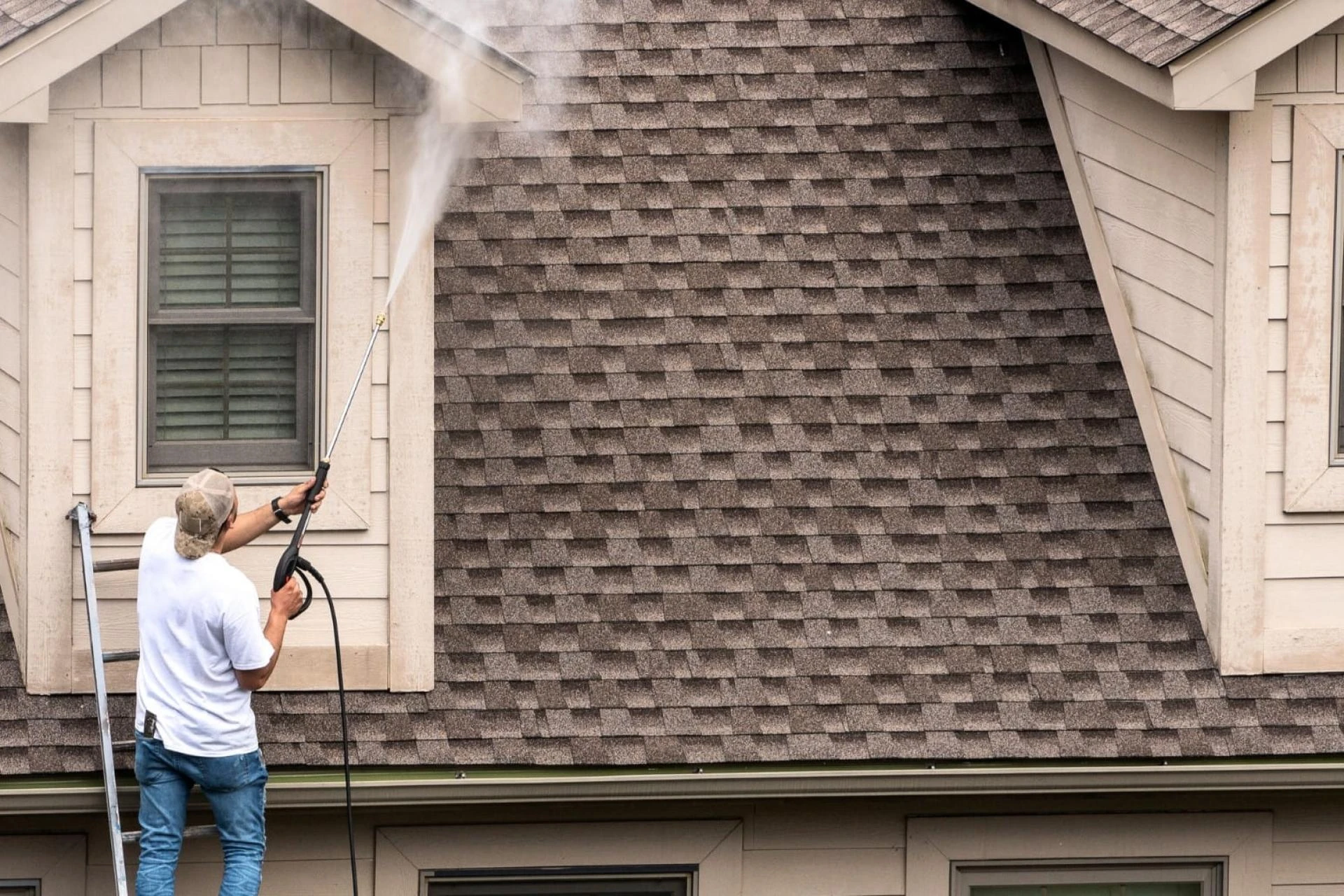
- Preventing moss and mildew from damaging roof shingles.
- Washing vinyl siding without streaks or warping.
- Cleaning solar panels and glass windows without the risk of cracks.
Because mold and mildew can contribute to poor air quality, soft washing helps maintain not just appearances but also a healthier environment.
Choosing the Right Method
The best cleaning method depends on the type of surface and the level of buildup. Pressure washing is effective for deep-set stains, while soft washing is better suited for delicate materials prone to mold and algae growth. In many cases, a combination of both methods delivers the best results.
For example:
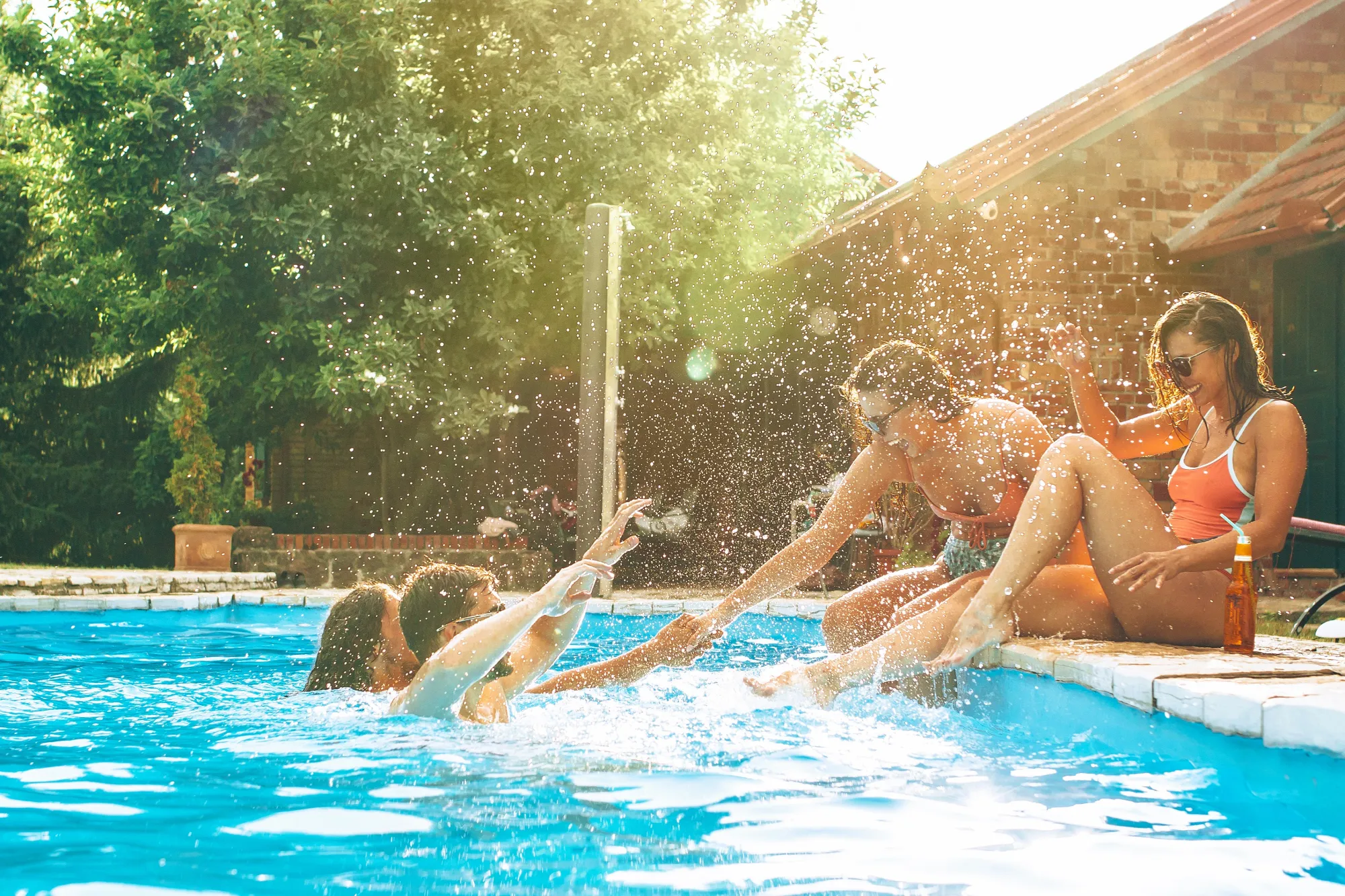
- Pressure washing can restore driveways, patios, and pool decks.
- Soft washing is ideal for siding, fences, and wooden porches.
Matching the cleaning technique to the surface ensures thorough results without unnecessary damage.
Why Professional Services Make a Difference
Experienced technicians assess surfaces, select the appropriate detergents, and apply the right pressure to avoid damage. Professional cleaning services also offer benefits such as:
- Industrial-grade equipment for a deeper, longer-lasting clean.
- Eco-friendly treatments to prevent algae and mold from returning.
- Compliance with environmental guidelines and safety regulations.
Since improper pressure washing can lead to injuries or property damage, hiring a professional ensures the job is done safely and effectively.
Common DIY Mistakes
Many homeowners attempt exterior cleaning themselves but often make costly errors, such as:
- Using too much pressure on wood, causing splintering and erosion.
- Applying harsh chemicals that strip protective coatings or discolor surfaces.
- Failing to rinse properly, leaving behind residue that attracts more dirt.
Avoiding these mistakes leads to better results and prevents unnecessary repairs.
Key Takeaways
Understanding the differences between pressure washing and soft washing helps homeowners maintain their property efficiently. While pressure washing provides a powerful clean for hard surfaces, soft washing gently removes grime from delicate materials. Choosing the right method enhances curb appeal and extends the lifespan of exterior surfaces.



























Sign in to leave a comment.