
Why Seating Makes or Breaks a Home Cinema
A big screen and a good sound system will only get you so far. If the seating is not right, watching a two hour film at home can feel uncomfortable by the halfway point. People shift around, get a sore lower back, or end up with a stiff neck from sitting at the wrong angle. The difference between a good movie night and a great one often comes down to what you are sitting on.
That is why cinema seating built for home use has become so popular. These chairs and couches are designed from the ground up for long viewing sessions. They support your back, keep your neck at the right angle for a screen, and let you recline without having to rearrange cushions or fight with a lever.
Types of Seating for a Home Cinema Room
There are several types of seating that work well in a dedicated movie room, and the right choice depends on the size of your space, how many people will use it, and how formal you want the setup to look.
Cinema chairs are individual seats, usually with armrests, cup holders, and a reclining mechanism. They look like what you would find in a commercial movie theatre, but with better padding and a higher quality finish. A row of these against the back wall of a room gives you that proper theatre feel. They are ideal for rooms where you want defined seats for each person.
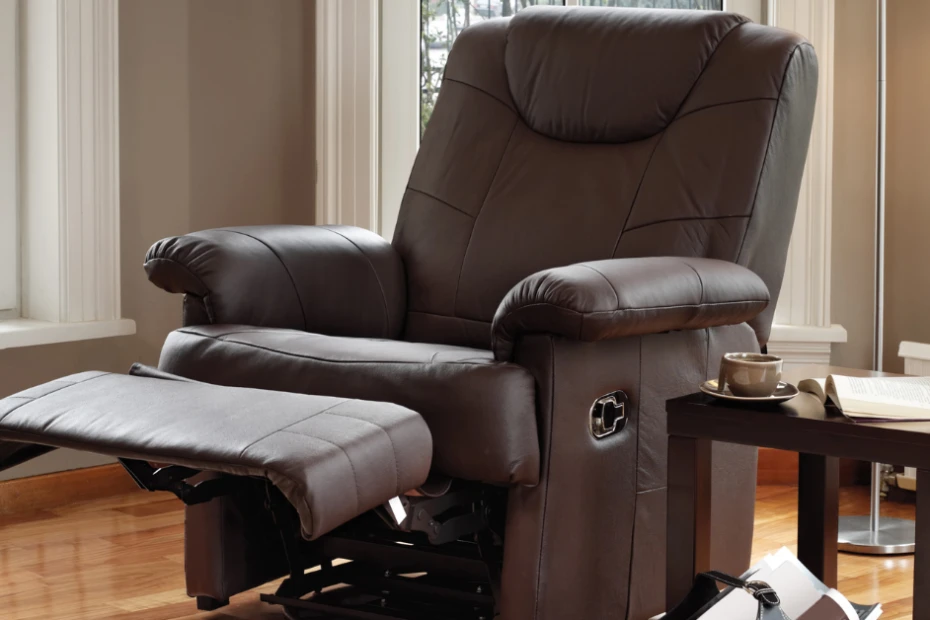
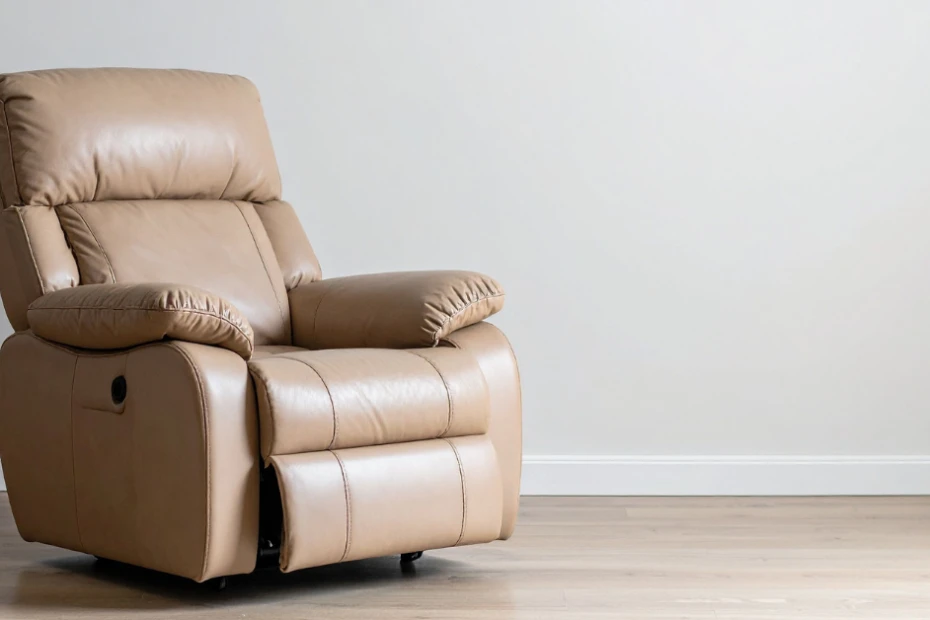
Cinema recliners take things a step further. These are bigger, more padded, and the reclining action gives you a wider range of positions. Some come with powered reclining, meaning you press a button and the chair does the work. Others use a manual lever. Either way, the ability to kick back and put your feet up during a long film makes a real difference.
For people who prefer a more relaxed feel, a cinema room sofa is a strong option. Instead of individual chairs lined up in a row, a sofa gives you shared seating that works well for families. Kids can spread out, couples can sit close together, and the whole thing feels more like a living room and less like a formal theatre. Many cinema sofas now come with reclining sections on each end.
Single Chairs, Couches, or Sofas
Home cinema chairs are the go to for a classic theatre layout. Line them up in one or two rows, add some floor lighting along the aisle, and you have a setup that looks and feels like a private screening room. These work best in rooms that are long enough to fit rows with walking space in between.
Home cinema couches are better suited for wider rooms where a row of individual seats would leave too much empty space on each side. A three seater couch with reclining ends fills the room nicely and gives everyone a good view of the screen. Couches are also more practical for everyday use. If the room doubles as a lounge or family room, a couch fits in without looking out of place.
Home cinema sofas are similar to couches but often larger and deeper. A sectional sofa with a chaise end works well in an L shaped room or along two walls. The extra depth means you can sink in and stretch out, which is perfect for binge watching a series over a lazy weekend.
A home theatre sofa couch combines elements of both. It might have the reclining sections of a dedicated theatre seat with the width and softness of a regular couch. This hybrid style is becoming popular with people who want comfort without a formal theatre look.
Getting the Layout Right
Before ordering any furniture, measure the room carefully. You need to know the distance from the screen to the back wall, the width of the space, and how much clearance you have behind each seat for reclining.
Home cinema seating that reclines needs room behind it. Most models require at least 15 to 30 centimetres of clearance behind the backrest when fully reclined. Wall hugger designs need less space, but you should still check the measurements before committing.
If you are placing two rows of seating, the back row should be raised on a platform so that everyone has a clear sightline to the screen. A riser of about 20 to 30 centimetres is enough in most rooms. This is the same principle used in commercial cinemas, and it makes a huge difference to the viewing experience for people sitting in the second row.
Spacing between rows matters too. Leave enough room for people to walk past without climbing over each other. About 50 to 60 centimetres between the front of the back row seats and the back of the front row seats is a comfortable gap.
What to Look for in Theatre Style Seating
Theatre style seating is built to a different standard than regular furniture. The frame needs to be strong enough to handle the reclining mechanism without flexing or creaking. The foam should be high density so it holds its shape after hundreds of hours of use. And the upholstery needs to be durable enough to resist wear from frequent sitting.
Leather is the most common material for home theatre chairs. It is easy to clean, ages well, and has a premium feel that suits a cinema room. Full grain leather is the best option if the budget allows. Leather uppers, where the parts you touch are real leather and the hidden sections are synthetic, bring the cost down without losing the feel where it counts.
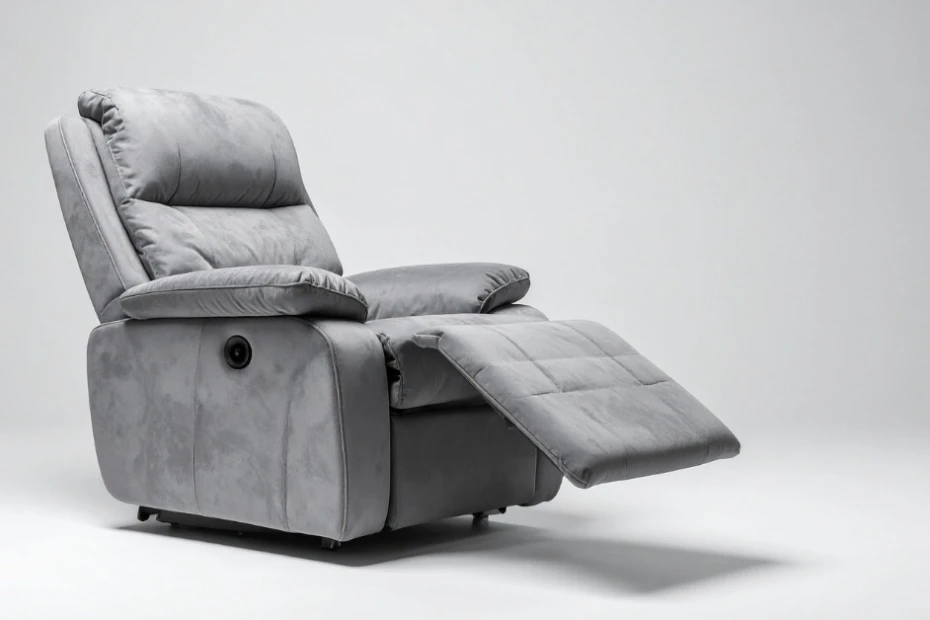
Fabric and suede options are worth looking at if you prefer a softer, warmer feel. Fabric breathes better than leather, which can matter if you live in a warmer area or your cinema room does not have air conditioning.
Features That Make a Difference
Cup holders seem like a small thing, but they make movie night much more practical. Not having to balance a drink on the floor or on a side table means fewer spills and a cleaner room.
Home theatre couches with built in storage consoles between the seats give you a place to keep remotes, snacks, and phones without cluttering the space. Some models include USB charging ports, LED lighting under the seat, and even wireless phone charging pads.
Powered reclining is worth the extra cost for most people. It is smoother and quieter than a manual lever, and it lets you find the exact angle you want without adjusting a stiff mechanism. If anyone in the household has mobility issues, powered reclining is much easier to operate.
Picking Seats That Match Your Room
The colour and finish of your movie cinema chairs should match the room. Dark colours work best in dedicated cinema rooms with dim lighting. Black, charcoal, and dark brown are the most popular choices. In a multi purpose room with natural light, lighter colours or a two tone fabric can work well.
When shopping for movie theatre seats for home use, sit in them for at least ten minutes before deciding. A chair might look great in a showroom but feel too firm or too deep after a few minutes. Everyone is built differently, and seat depth, armrest height, and cushion firmness all affect long term comfort.
Getting the right seating is the single biggest thing you can do to improve your home cinema experience. A great screen with bad seating is wasted. Good seating with even a modest screen and sound setup still gives you a room that everyone in the house wants to spend time in.
































Sign in to leave a comment.