
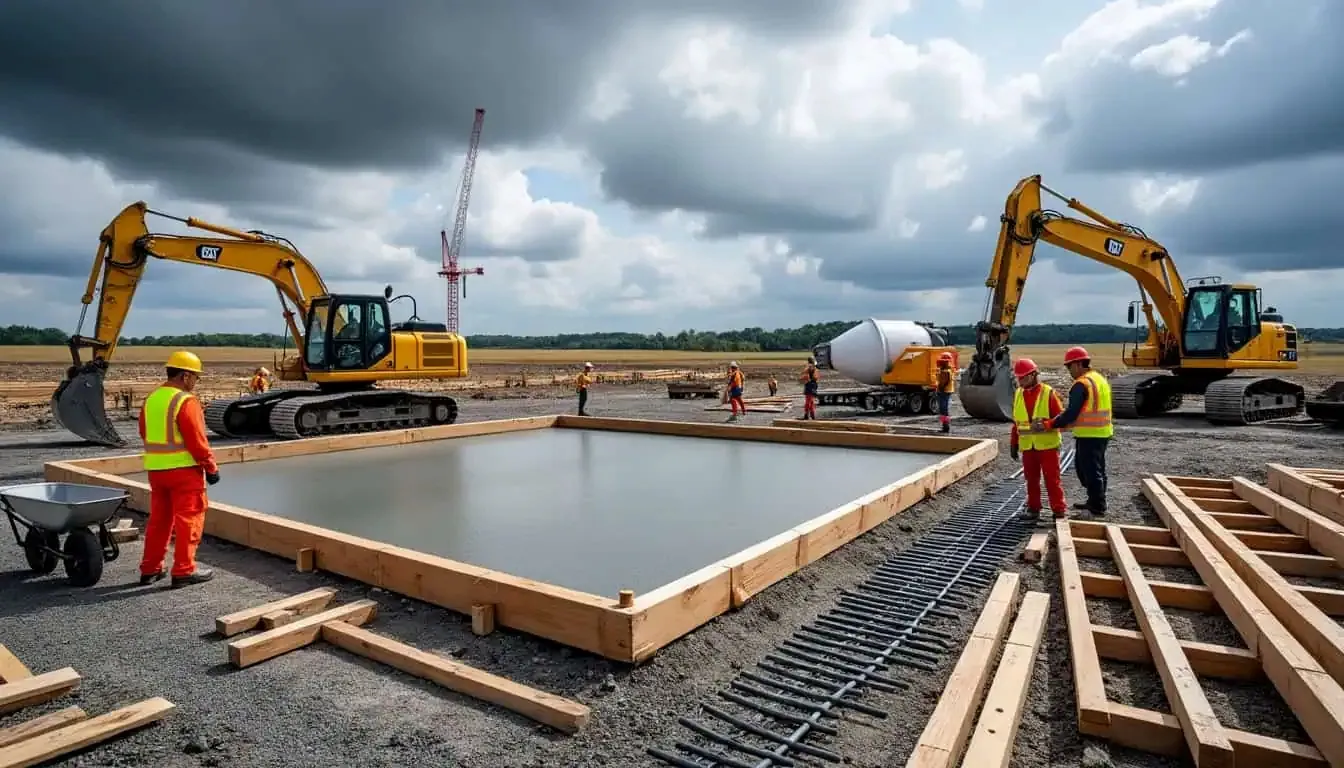
Construction, engineering, and infrastructure are the backbone of modern civilization. From the roads we travel on to the buildings we live and work in, these sectors quietly shape everyday life while driving long-term economic growth. As cities expand and populations rise, the demand for resilient infrastructure and innovative engineering solutions continues to grow. This interconnected industry is no longer just about bricks and steel; it is about sustainability, technology, and creating systems that support future generations.
The Foundation of Economic Development
At the heart of every thriving economy lies strong infrastructure. Well-planned construction projects generate employment, attract investment, and improve quality of life. Engineering expertise ensures that projects are not only functional but also safe, efficient, and durable. Large-scale infrastructure initiatives—such as highways, bridges, ports, and energy networks—enable trade, mobility, and connectivity across regions. In an increasingly international marketplace, these developments help nations compete, collaborate, and integrate into the global economy.
Innovation Driving Modern Construction
The construction sector has evolved rapidly over the past decade. Traditional methods are being enhanced by digital tools such as Building Information Modeling (BIM), smart sensors, and automation. Engineers now rely on data-driven insights to optimize designs, reduce waste, and improve project timelines. Prefabrication and modular construction have also gained momentum, allowing faster delivery without compromising quality. These innovations are especially valuable in large infrastructure projects where efficiency and precision are critical.
Engineering for Sustainability and Resilience
Sustainability has become a central focus across construction and engineering. Climate change, resource scarcity, and urban congestion demand smarter solutions. Engineers are designing energy-efficient buildings, low-carbon materials, and renewable energy infrastructure to reduce environmental impact. Resilient infrastructure—capable of withstanding natural disasters and extreme weather—is equally important. By integrating sustainability into planning and design, the industry contributes to long-term environmental and social stability.
Infrastructure and Urban Transformation
Urbanization is reshaping how infrastructure is planned and delivered. Smart cities combine engineering, technology, and data to improve transportation, utilities, and public services. Intelligent traffic systems, sustainable water management, and digitally connected public spaces enhance urban living. These projects require collaboration between architects, engineers, policymakers, and private stakeholders, often across international boundaries, to share expertise and best practices.
Workforce and Skill Development
Behind every successful project is a skilled workforce. Construction and engineering demand a diverse range of professionals—from civil and structural engineers to project managers and skilled tradespeople. Continuous training is essential as new technologies and standards emerge. Investing in human capital ensures safety, quality, and innovation across the industry. It also creates career pathways that support economic mobility and professional growth.
The Road Ahead
Looking forward, construction, engineering, and infrastructure will play a defining role in addressing global challenges. Population growth, climate adaptation, and technological advancement all depend on robust infrastructure systems. Strategic planning, responsible investment, and cross-sector collaboration will determine success. As projects become more complex and interconnected, the industry’s ability to adapt and innovate will be key.
In conclusion, construction, engineering, and infrastructure are more than technical disciplines—they are enablers of progress. By combining innovation, sustainability, and skilled expertise, the sector continues to build the foundations of a connected and resilient world, supporting development at local, regional, and international levels.






















Sign in to leave a comment.