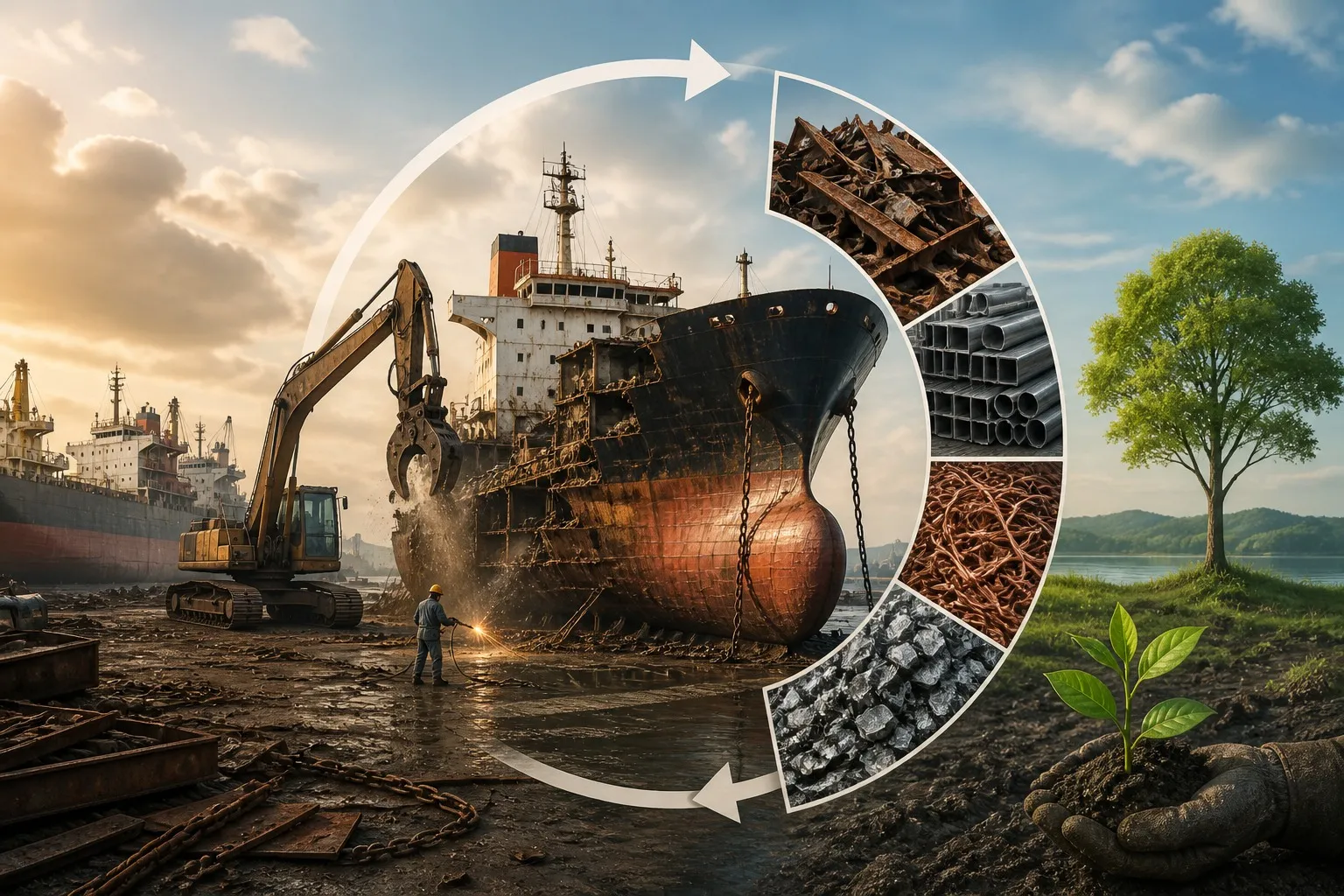

Introduction
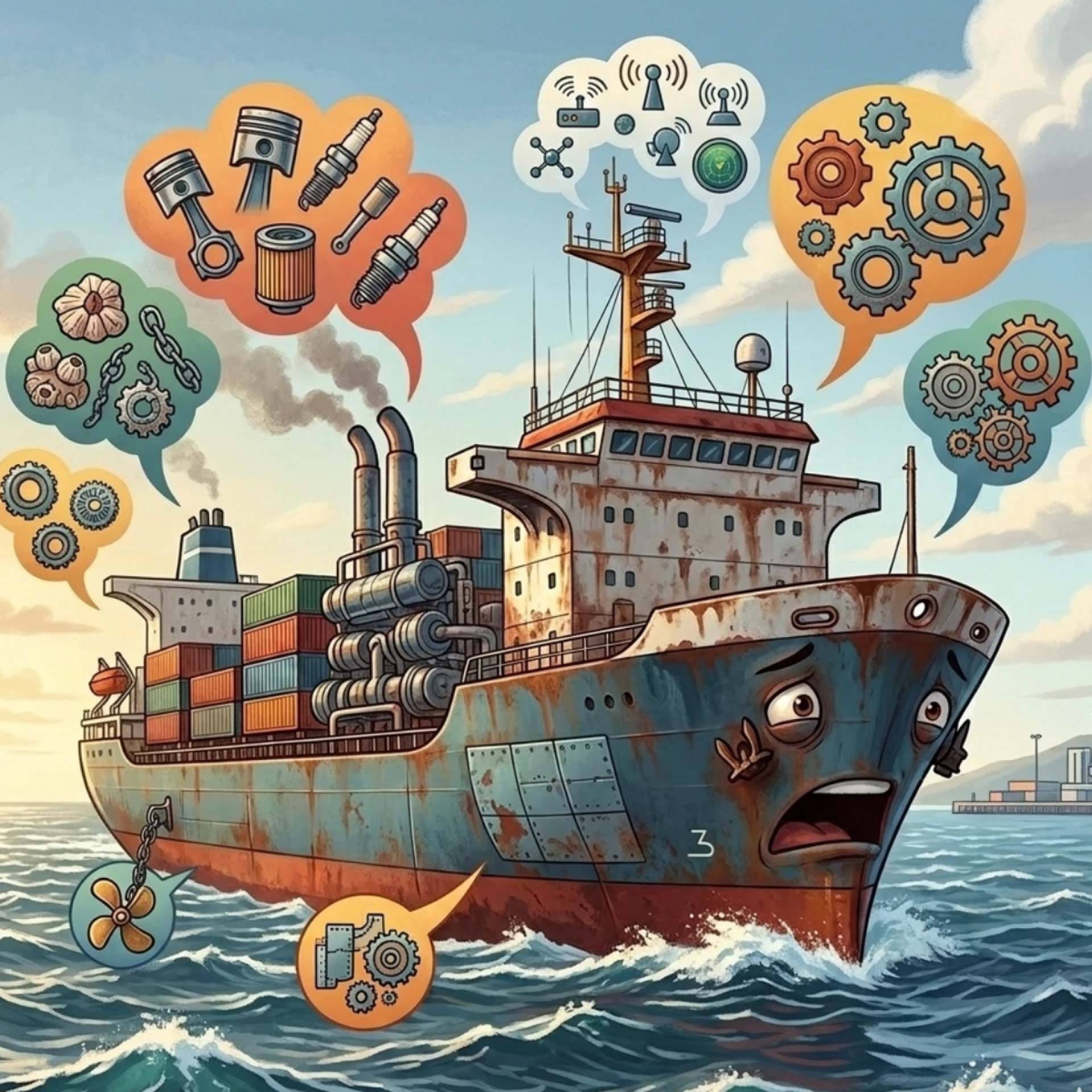
If you’ve ever seen a ship out at sea, it’s hard to imagine that one day it will simply stop working. These vessels are built strong, designed to run for years without a break. But just like any machine, there comes a point when things start wearing out. Repairs become frequent, fuel consumption increases, and the overall performance drops. That’s when ship owners make a practical decision—to retire the ship and send it for recycling.
Now, when we say “ship recycling,” it might sound like a rough process. But in reality, it’s not just about cutting a ship apart. It’s a well-planned system where every step is handled carefully, keeping safety, value, and the environment in mind.
What is Ship Recycling?
In simple terms, ship recycling means taking apart an old ship so its materials and equipment can be used again. Instead of letting the vessel sit idle or become waste, almost everything inside it is recovered and reused.
Places like the Alang Ship Breaking Yard are known for this work. Ships from all over the world come here at the end of their life, and what looks like the end of a journey is actually the start of something new.
Why Do Ships Get Recycled?
Ships don’t go for recycling randomly. There’s always a reason behind it. Most ships run for around 20 to 30 years. After that, they start demanding more maintenance. Sometimes, fixing a ship costs more than what it’s worth. That’s when recycling becomes the smarter option.
There’s also the safety side. Older ships may not meet today’s standards, and running them can be risky. On top of that, environmental rules are becoming stricter. Many older vessels simply cannot keep up with modern requirements.
Step 1: Decision and Preparation
Everything starts with a decision. Once the owner decides to scrap the ship, preparation begins. This part is quiet but very important.
Fuel, oil, and any harmful substances are removed first. Documents are checked, approvals are taken, and inspections are done. Think of it like preparing a site before construction—you don’t just start work without making sure everything is safe and clear.
Step 2: Bringing the Ship to the Yard
After preparation, the ship is taken to the recycling yard. In places like Alang, ships are brought in during high tide and slowly driven onto the shore. As the water level goes down, the ship stays grounded, making it easier for workers to access it.
It’s a simple method, but it works effectively and has been used for years.
Step 3: Cleaning and Safety First
Before any cutting starts, safety comes first. Tanks are cleaned, and gases are removed to avoid any risk of explosion. Hazardous materials like asbestos are carefully taken out.
Workers are given protective gear because this is not light work. It involves heavy structures and serious tools. A small mistake can cause big problems, so this stage is handled with extra care.
Step 4: Taking the Ship Apart
This is the part most people imagine when they think of ship recycling. The dismantling begins from the top and moves downward.
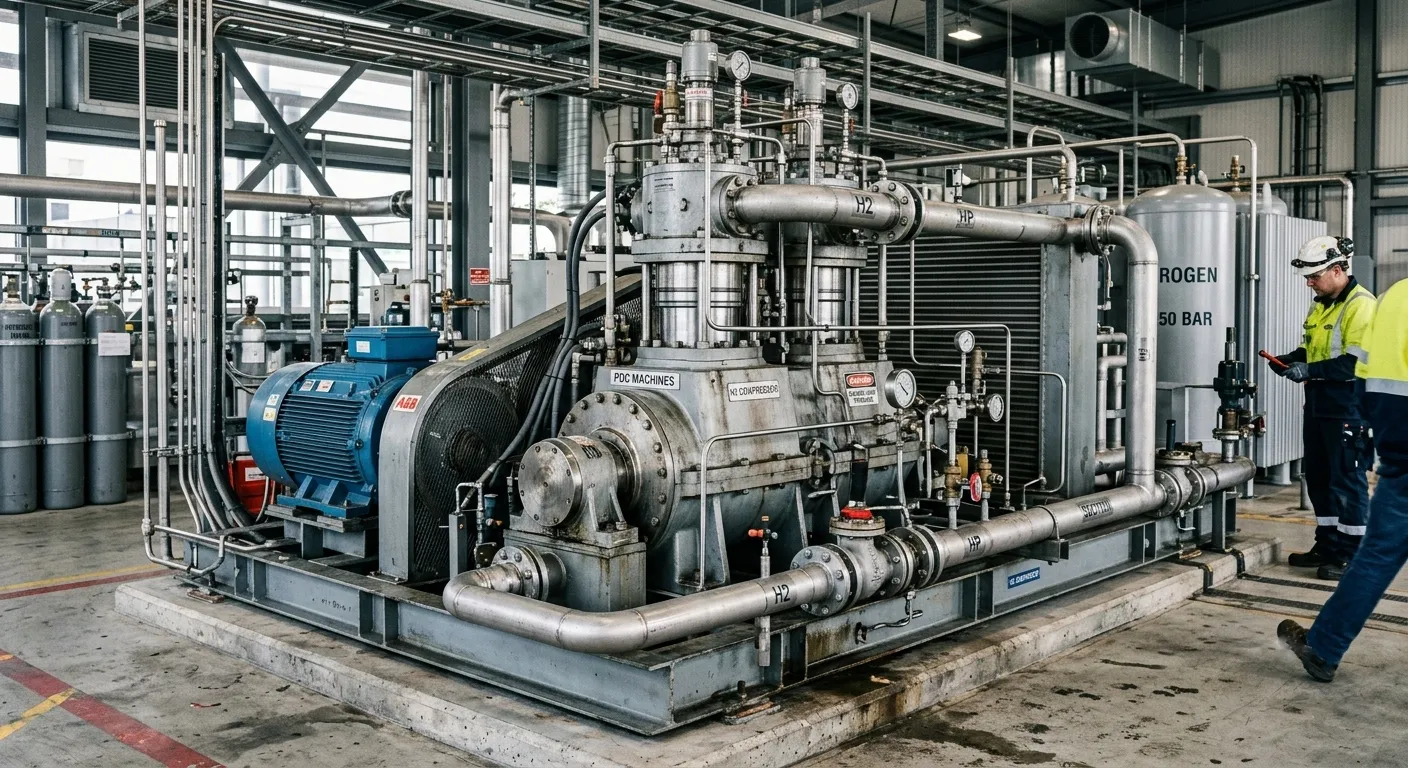
Large structures are cut first. Then machinery and equipment are removed. Engines, generators, pumps—these are not just thrown away. Many of them are still useful. Finally, the main body of the ship is cut into steel sections.
It’s not random cutting. It’s systematic, planned, and done step by step.
Step 5: What Happens to the Parts?
Here’s where things get interesting. A ship is not just scrap metal. It’s full of valuable equipment.
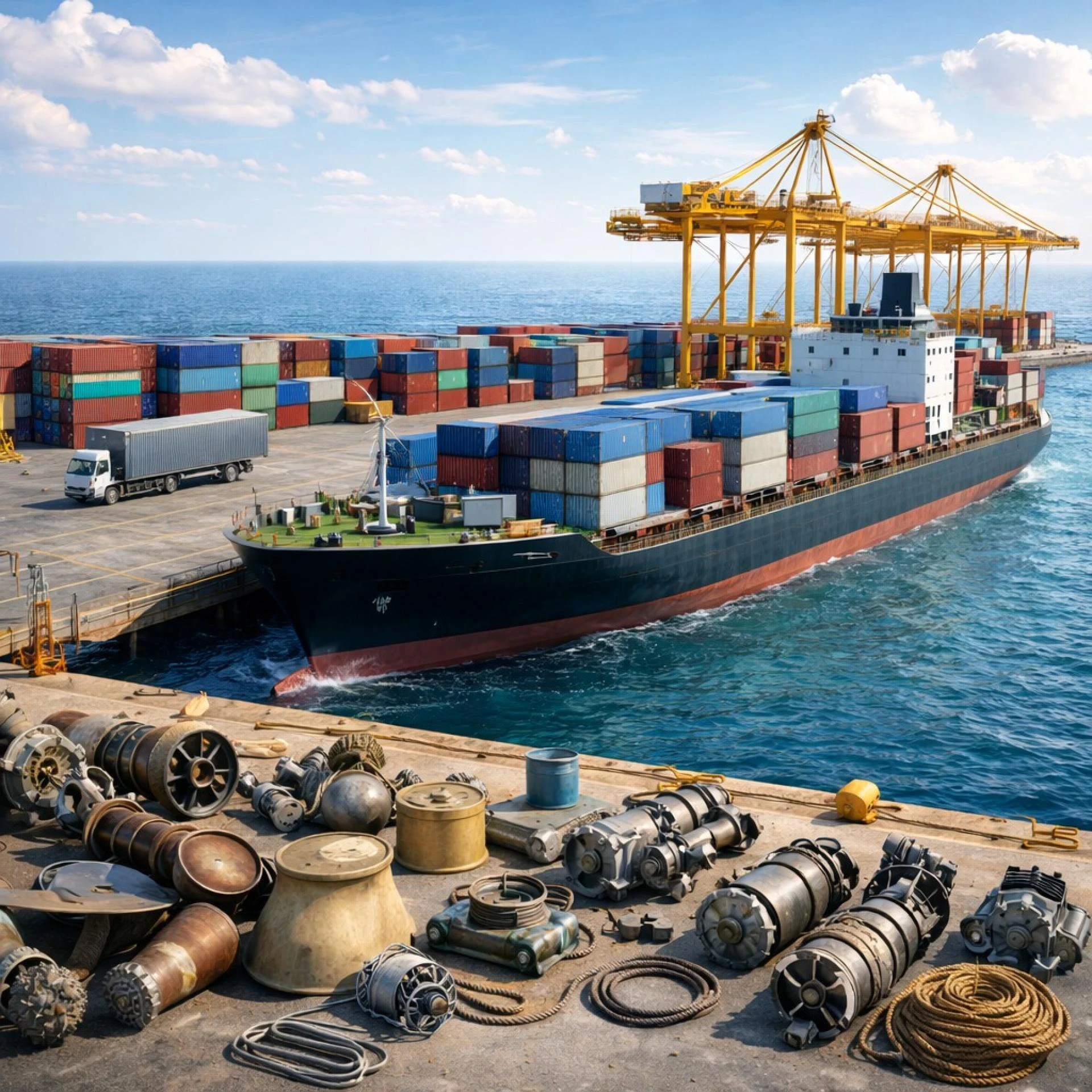
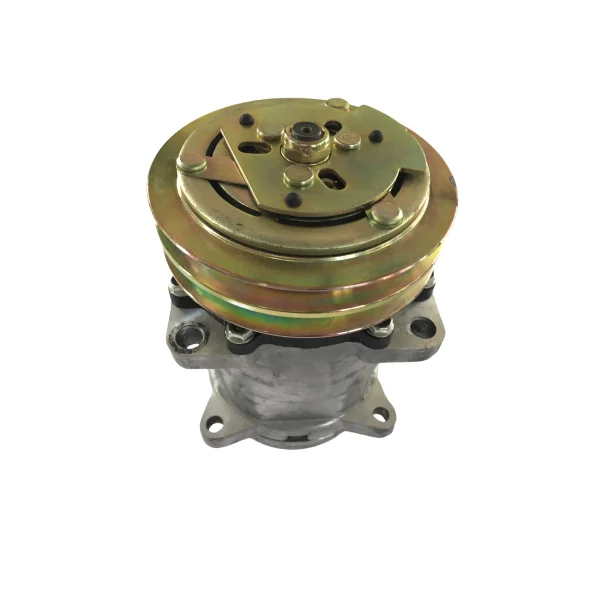
Many parts are still in working condition. They are cleaned, tested, and sometimes repaired. These parts then go back into the market. This is where companies like Labdhi Marine come in. By sourcing genuine and tested spare parts from ship recycling yards, they help ship owners find reliable components without always going for brand-new ones.
In a way, one ship helps another keep running.
Step 6: Steel and Waste Handling
Steel is the biggest part of any ship. Once the ship is cut, the steel plates are sent to factories where they are melted and reused. This steel might end up in buildings, bridges, or other industries.
At the same time, waste materials are handled carefully. Anything harmful is disposed of properly. The goal is to make sure the process does not harm the environment.
Challenges in Ship Recycling
Even though ship recycling is useful, it’s not without challenges. Handling old ships means dealing with oil, chemicals, and heavy materials. If not managed properly, it can affect both workers and the environment.
That’s why strict rules are followed today. Organizations like the International Maritime Organization have set guidelines to improve safety and ensure responsible recycling practices.
Why Ship Recycling Matters
When you really think about it, ship recycling is a smart system. It reduces waste, saves resources, and supports many industries.
Instead of building everything from scratch, materials are reused. Spare parts get a second life. Costs are reduced. And most importantly, it helps in managing old ships in a responsible way.
Conclusion
At first glance, ship recycling may look like the end of something big. A massive vessel, once full of life and activity, is slowly taken apart. But if you look closer, it’s not really an ending.
It’s a transition.
The steel becomes part of something new. The spare parts keep other ships running. The equipment finds a new purpose. So, while one ship’s journey ends, many smaller journeys begin from it.
And that’s what ship recycling is really about—making sure nothing valuable goes to waste.












![The Benefits of Using a CNC Touch Probe [Infographic]](https://writeupcafe.com/data/post/1677697/bfdf3e040e67936848aa232d2dfe3d03.jpg.webp)









Sign in to leave a comment.